
Grok compute heads to orbit on a Vera Rubin NVL72
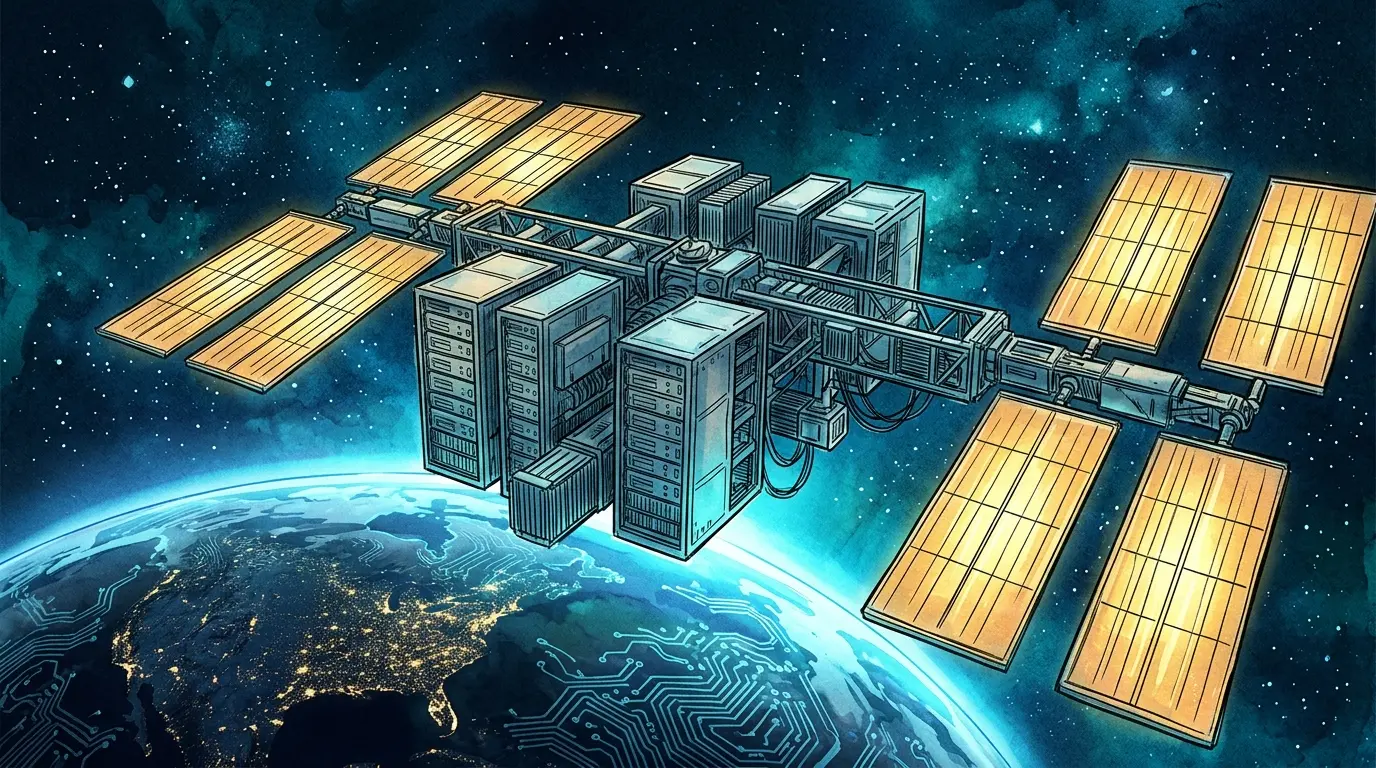
SpaceX and NVIDIA have built a version of the Vera Rubin NVL72 system for use in orbit. SpaceXAI plans to make it the core of its first-generation Starmind AI satellite, and an orbital launch is set for later this year, the companies said in an August 24 post on Threads.
On Earth, Vera Rubin NVL72 is a rack-scale data-center system. The space version had to be redesigned, and Crypto Briefing reports it is simpler, cheaper, denser and lighter than a traditional rack. Orbital data-center concepts generally work like this: Starship carries the heavy compute payload up, solar arrays supply power almost all the time, heat is radiated off into space, and laser links between satellites connect the hardware to Starlink ground stations.
The same announcement also covers SpaceXAI’s work on the ground. The company says it “will deploy NVIDIA Vera CPUs to accelerate the work behind its next generation of agentic AI workloads,” and that it is expanding its Grok infrastructure on the Vera Rubin platform “as it scales toward gigawatts of computing capacity.” The orbital satellite is described as an extension of that same NVIDIA stack.
SpaceX announced its acquisition of xAI on February 2. Musk’s memo on the deal, as reported by TechCrunch, said the merger was largely about building data centers in space. “Global electricity demand for AI simply cannot be met with terrestrial solutions, even in the near term, without imposing hardship on communities and the environment,” he wrote. USA Today reported that the plan calls for one million satellites running orbital data-center infrastructure, launched on Starship.
SpaceX’s FCC filing asks for a million satellites at altitudes of 310 to 1,240 miles, for “energy-efficient AI compute.” TechCrunch has also pointed out that FCC rules require satellites to be de-orbited every five years.
Up next
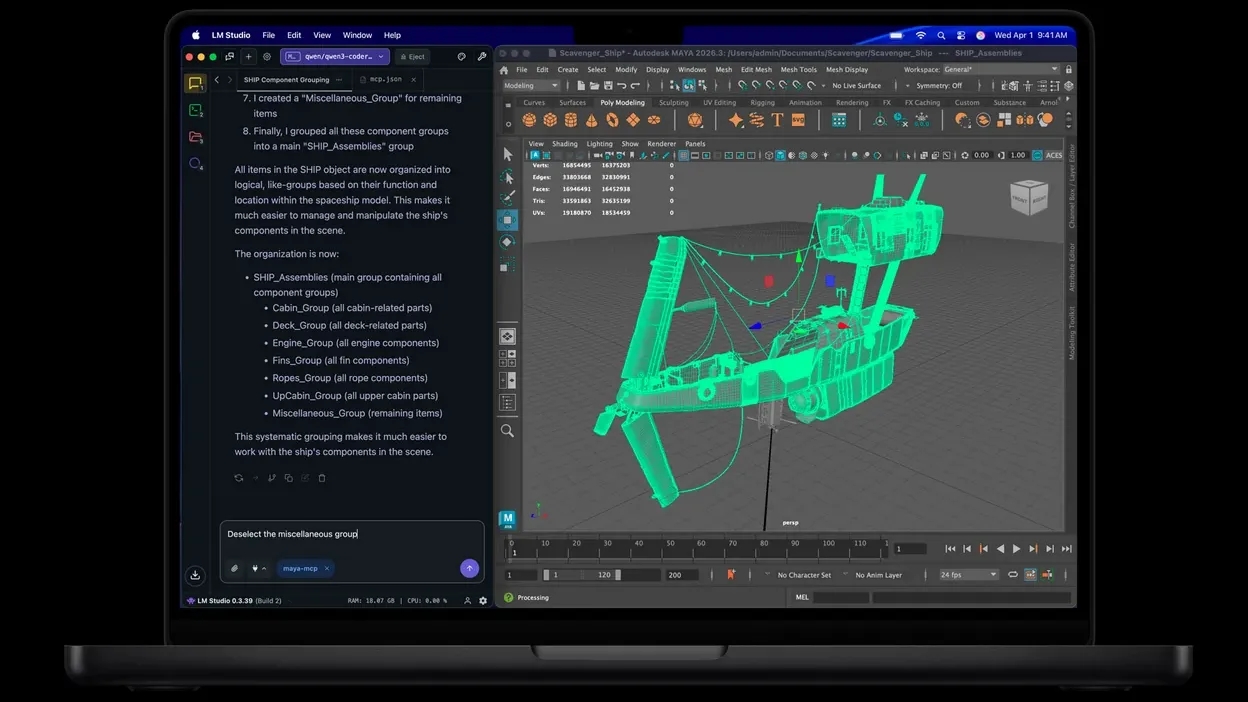
A coding agent that never leaves the laptop, if it’s an M5
Developers who want their code to stay on the laptop can run JetBrains’ Junie Local free and unmetered, though it takes macOS 26, an M5 chip and at least 64 GB of unified memory.
Related stories
Comments
No comments yet. Be the first.
Join the conversation
Sign in to leave a comment. It appears after moderation.