
We replaced our Grafana stack with a single Claude Code skill
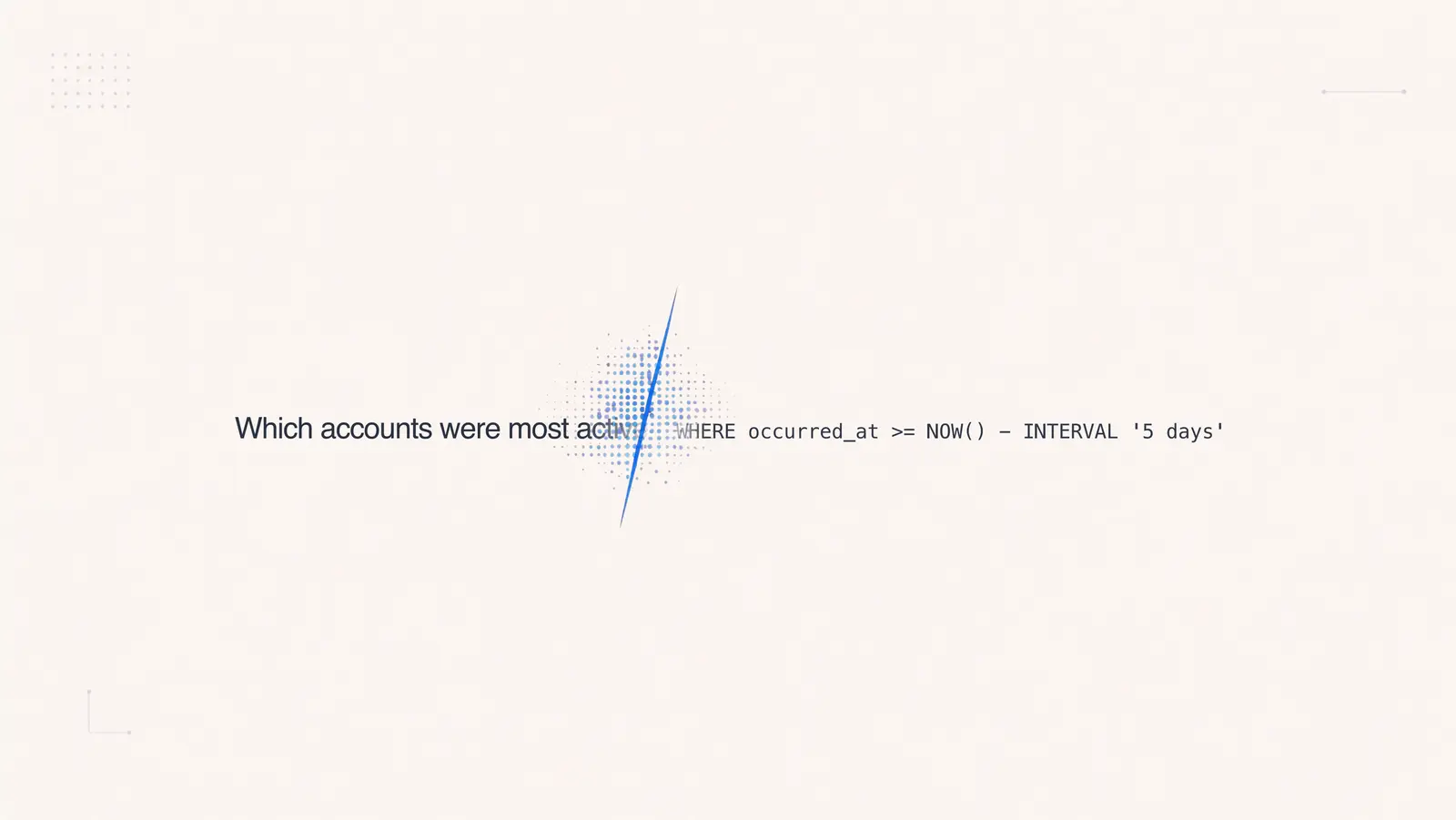
Frigade has shut down a 24-graph, multi-region Grafana setup it ran for nine months. The team now gets its numbers from a Claude Code skill that queries the same data through a read-only Postgres replica, the company wrote in an August 21 post on the Frigade blog. The team calls the replacement less reliable than the dashboard it retired. It switched anyway because nobody was opening the dashboard.
The dashboard’s sections, set up in October, held up. Most of what the team wondered about after that went into a section called Miscellaneous. Every graph there was a pull request: someone wrote the query, picked a chart and matched the filters to the neighbouring graphs so that two numbers on one screen would still agree. Then the next question came in and the cycle repeated. In the post’s words, the dashboard answered the questions the team had in October, and the pile at the bottom was everything since.
Frigade doesn’t dismiss what that setup gave it. A pre-built graph says the same thing every time you open it, and when it is wrong, “it is wrong the same way for everyone looking at it.” The trade-off was rigidity. The question someone actually had rarely matched one graph: a specific customer in a specific week, a trend only across accounts above a certain size, last month’s number split a way nobody had planned for. Filters and date pickers got close, and the team used them for months. “It works, and it is tedious, and tedious is enough to stop somebody asking at all,” the post says.
The new path started in May, when Frigade put a read-only server in front of the Postgres replica and began asking it questions in plain English. That means about three months passed between the read-only server going in and the Grafana stack coming down, which happened the week before the post. A skill is a packaged set of instructions and tools that Claude Code loads when a task calls for it. Here it lets anyone on the team get an answer about one customer in one week without building anything first. Most of what the team asks now, Frigade says, are small questions nobody would have built a graph for.
The failure mode is spelled out in the post. Sometimes the answer comes back and reads as impossible. You push back, and the assistant replies: “You’re absolutely right, I made a mistake.”
That happens often enough to matter, Frigade writes, and the problem is not solved. The post gives no error rate. The working rule is that anything heading into a decision still gets checked against the database directly.
Not everything became ad hoc. Frigade’s reasoning is that you shouldn’t have to ask whether a number crossed a threshold, and nobody checks every day, so that part stayed automated and moved to Slack. A job runs each weekday morning and posts a summary. Its queries live in the repo and aren’t written fresh by the model each time, so the same questions get asked every day and the answers come back in the same form. The fixed, reviewed queries survived the switch, in a Slack summary that comes to the team without anyone opening a dashboard.
The same approach now ships to Frigade’s customers. Their dashboard still has a stats view and an Insights page that groups what people are asking into themes. Next to those, Frigade Assistant can query the customer’s data directly: how the assistant did last week, which answers people gave a thumbs down, whether a shipped change moved anything. Each answer comes back with links to the actual questions and users behind it, so the customer can check the result directly. Frigade says it put protections in place so the assistant can’t read specific user data or query anything it shouldn’t, and that it all sits on a read-only layer that can’t change the database.
The company describes the customer feature as the same trade it made internally, for the same reason: “You have questions about your own product that we were never going to guess.”
Up next
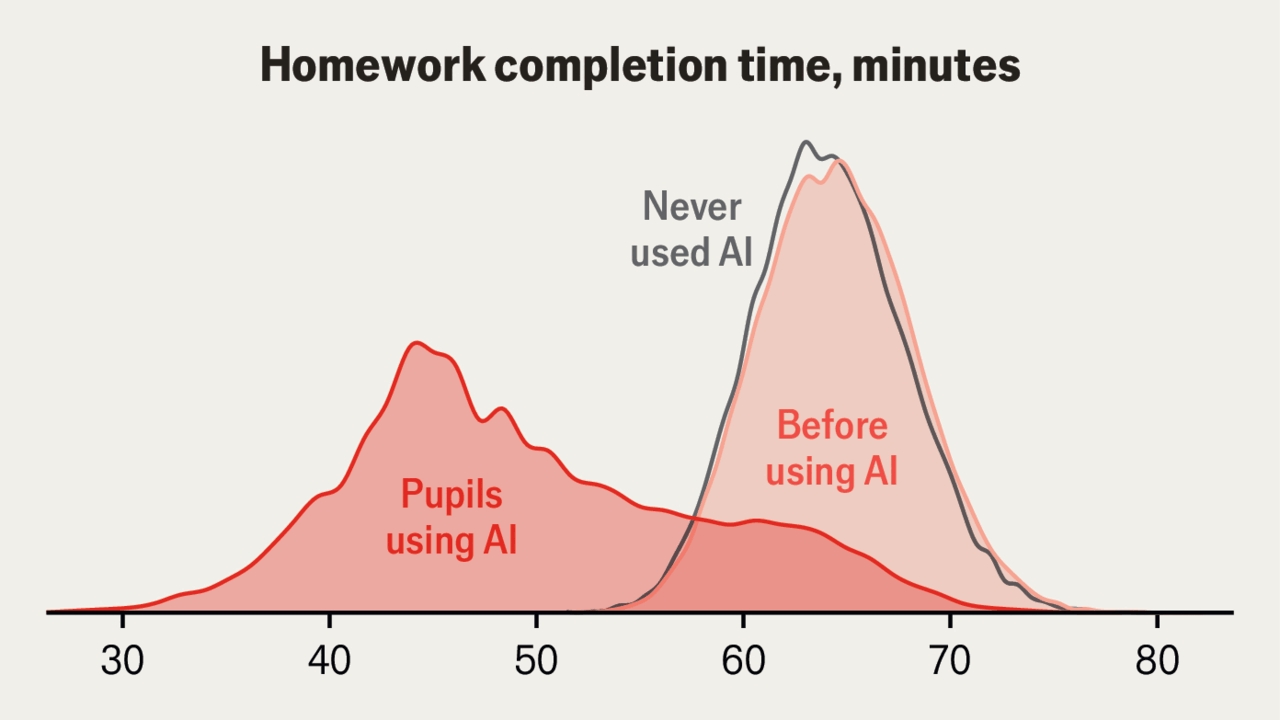
Homework scores rose, exam scores fell in AI study
The authors call it “homework outsourcing”: across 26,811 Chinese secondary students, homework scores rose 18% while results on unaided closed-book exams fell 20% within six months.
Related stories
- Tokendoctor cut its author’s Claude Code cost 38%
- memsaga gives Claude Code’s memory files a git history
- Intent-lens spells out Claude Code calls before they run
- Codedict cuts Claude Code tokens 63%, but cost only 26%
- claude-files-pane shows Claude Code’s file reads live
- lcc cut one Claude Code session 49.5% without a summary
Comments
No comments yet. Be the first.
Join the conversation
Sign in to leave a comment. It appears after moderation.