
Palo Alto bets $4.5 billion on open-weight AI
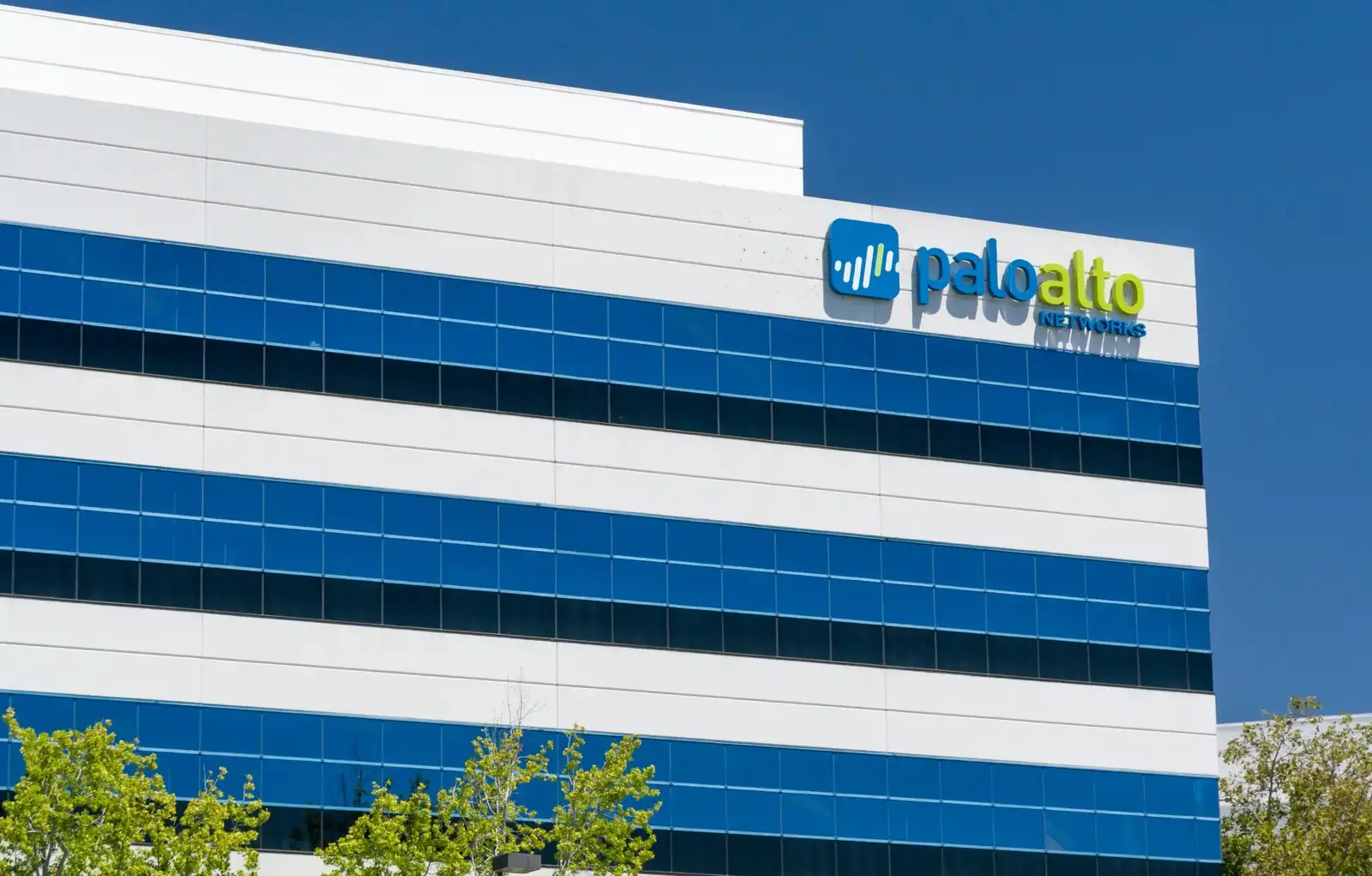
Cybersecurity giant Palo Alto Networks has agreed to buy Applied Compute, a startup that helps companies take open-weight AI models, the kind anyone can download and run on their own machines, tune them on their own data and put them to work. The all-stock deal is valued at $4.5 billion, Palo Alto said in its announcement. The next day, Elastic, known for search and observability software, said it would buy HoneyHive, a startup that checks whether AI agents actually do what they are supposed to.
Both companies are betting on the same thing: businesses want more control over the AI they use, and they want it to be secure and reliable.
Who Applied Compute is
The startup is less than 18 months old. It was founded in May 2025 by three former OpenAI researchers, Rhythm Garg, Linden Li and Yash Patil, Tech Startups reports. Its idea is that companies don’t need generic AI so much as models trained on their own data and fitted to how they work. It does the “post-training” (adjusting a finished model to a company’s needs) and the inference (actually running the model to answer requests), and it sends its engineers to work directly with customers’ teams.
It grew fast. In early November Applied Compute raised $350 million at a $3.25 billion valuation and said it had reached $100 million in annualized revenue. One of its examples: for the legal AI company Harvey, it built a model that gave better answers and citations at less than half the running cost of a frontier alternative.
What Palo Alto is betting on
Palo Alto believes that companies will run a mix of open and closed models, and that many will choose open models tuned for their own data, costs and control needs. Today, it says, no large provider delivers those models securely. It wants to be that provider, letting customers train and run open models in the public cloud or in environments they control themselves.
Chief executive Nikesh Arora said Palo Alto first got to know the platform as a prospective customer, and that the company’s own security assessment confirmed “strong security foundations.” On the earnings call he went further: “if it works,” the new business could be bigger than Palo Alto’s cybersecurity business. Patil will become Palo Alto’s co-chief AI officer once the deal closes, and the research team will also help train Palo Alto’s own models.
The bet comes at an uneasy moment for open models. After Jensen Huang, their best-known champion, stepped down at Nvidia, the Financial Times wrote that his exit had tipped the balance back towards closed labs such as Anthropic and OpenAI.
A wider buying spree
These deals are part of a pattern, The New Stack notes. Last month Dynatrace completed its $915 million purchase of Arize, another company that monitors and evaluates AI systems, and Stripe has bought the model routing platform OpenRouter. Palo Alto itself has been buying all year, including AI gateway provider Portkey.
Jason Andersen, an analyst at Moor Insights & Strategy, told The New Stack that big vendors often feel “general purpose AI tools do not fit their value proposition, and they need something more tailored to their customer bases.”
What comes next
The Applied Compute deal still needs regulatory clearance and other usual approvals, and its value may be adjusted. Palo Alto expects it to close in its fiscal third quarter of 2027. Until then, Applied Compute says it will keep serving its existing customers, and Palo Alto plans to offer the platform to its own 70,000-plus customers.
Up next
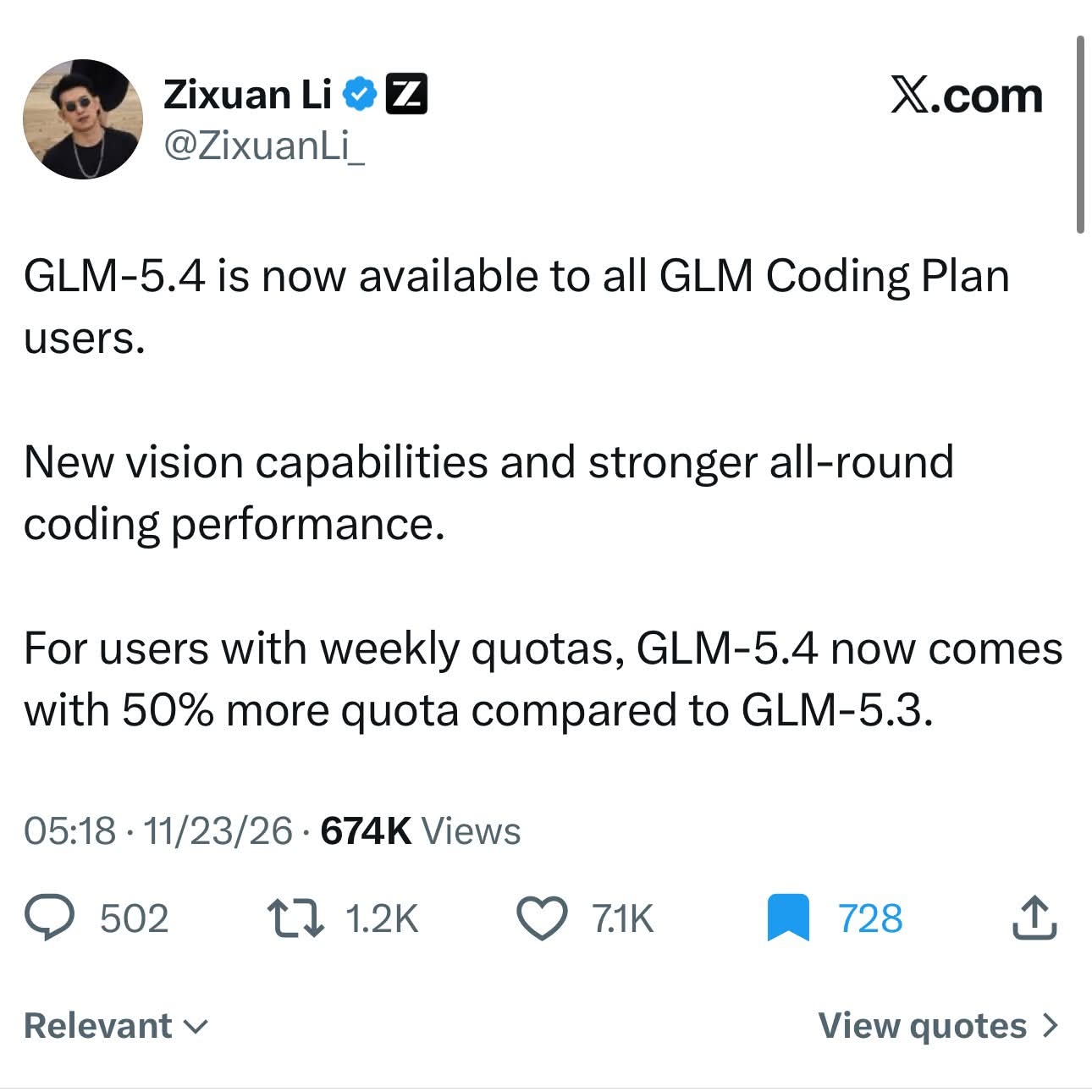
GLM-5.4 arrives with vision and 50% more quota
A new coding model with 50% more weekly quota: Zhipu’s GLM-5.4 is now on all GLM Coding Plans, adds vision, and so far comes with no benchmarks and no open weights. Would you switch coding models for more quota, or wait for benchmarks?
Related stories
- Elastic finds Claude Code and ChatGPT abused in intrusions
- Huang’s fall boosts closed AI labs, says FT
- OpenAI’s Brockman calls first half “pretty rough”
- Revolut moves 2,000 engineers from Claude Code to GLM
- OpenAI’s API and Codex hit Oracle Marketplace in the U.S.
- DeepSeek raised about $15B after lifting its target twice
Comments
No comments yet. Be the first.
Join the conversation
Sign in to leave a comment. It appears after moderation.