
GPT-6 designed proteins that stuck in the lab
OpenAI says its GPT-6 models can design new proteins on their own, working out both the three-dimensional shape and the order of the chemical building blocks, using only reasoning and ordinary coding tools. Until now that job belonged to specialized biology models built for it. In lab work with research partner Onava, proteins based on GPT-6.2’s designs showed signs of attaching to their targets for all five targets tried. The company laid out the results in a blog post and a preprint.
Proteins do most of the work inside cells, and what one does depends on the shape it folds into, which in turn depends on its sequence of amino acids. Scientists usually start from the job they want done, blocking a signal cancer cells use to hide from the immune system, say, and then have to work backwards to a shape and a sequence that would do it. Specialized models made that practical, but each takes its own kinds of input and constraints, and teaching one a new kind of instruction means changing its software or retraining it.
What the lab found
Onava made and measured 322 small proteins, called minibinders, designed by GPT-6.2 against five targets. Thirty-five of them, 10.9%, tested positive for binding to the target they were meant for, with hits for every target, including PD-L1, a protein some cancers use to evade the immune system. OpenAI notes that the original study of RFdiffusion, the specialized design model it compares against, reported higher hit rates, and that such rates depend heavily on how strictly designs are filtered before lab testing and on what counts as binding.
The stronger numbers came from redesign rather than design from scratch. Asked to write new sequences for the loops antibodies use to grip a target, the model produced fragments that mostly kept working: of 272 fragments based on five therapeutic antibodies, 179, or 66%, still bound the original target.
Steering by prompt
What OpenAI is selling here is control in plain language. Researchers marked where a minibinder should attach to its target and said how many coiled or stranded sections it should have, and an internal research model followed that with what the company calls near-perfect fidelity. Switching between related tasks took only a change of prompt, with no retraining: when the team already knew which two atoms formed the bond between a small molecule and a protein, it could hand the model that fact and ask how the rest of the molecule fit. OpenAI’s stated ambition is for scientists to guide protein design the way they guide image generation today, by describing what they want.
What it is not yet
OpenAI is explicit that this is not end-to-end design. A specialized model supplied the amino acid sequences for the first lab experiment, and other specialized models filtered which candidates were worth making, so the results do not yet show the models producing new minibinders alone. Predicting a whole protein’s structure from its sequence remains a clear weakness: the latest internal model averaged 0.38 on the measure used, against 0.93 for the specialized ESMFold2.
Binding, the company adds, is only the first step. Specificity, stability and biological activity, plus safety and efficacy for any medicine, all still have to be established. Next, OpenAI wants to reach harder targets, test whether its designs actually do something after they attach, such as killing a cancer cell, and extend the work to other molecules, including RNA. It says the same capabilities could be misused and that its Preparedness Framework governs how it assesses the biosecurity risk.
Up next
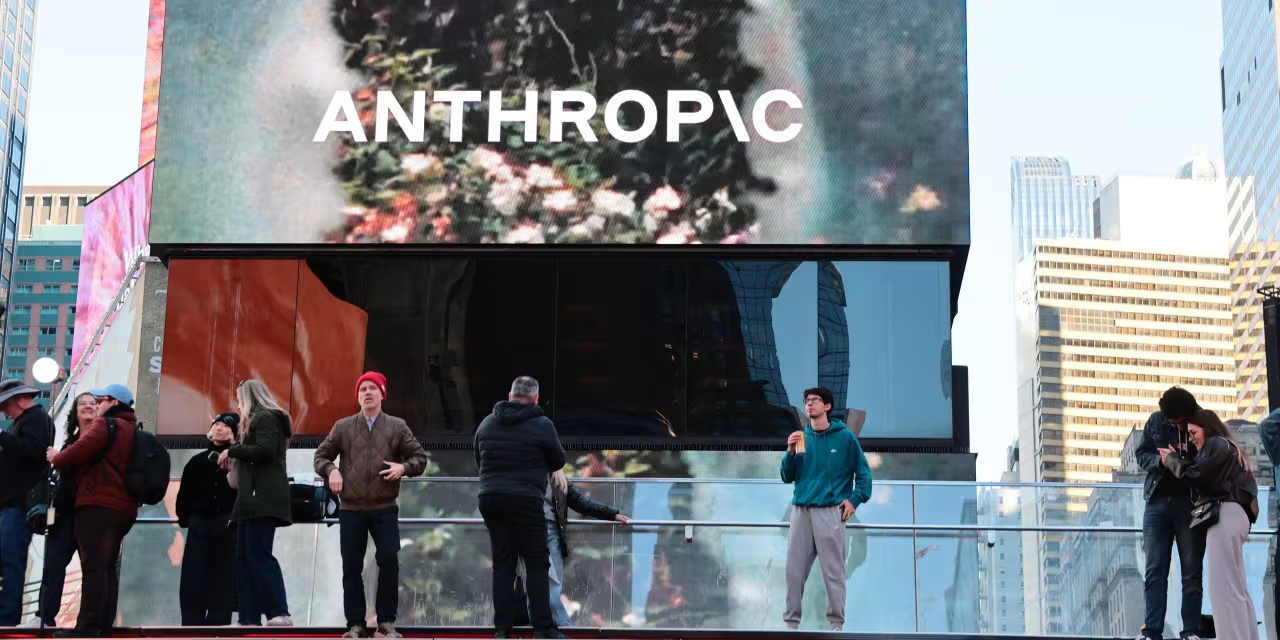
Anthropic shares fall below their $83 IPO price
Less than a week after its record debut, Anthropic stock slipped under its $83 IPO price. MarketWatch says it hit $80.10 Tuesday, down from a $115.10 peak last Thursday. Have you ever bought shares on launch day and watched them drop?
Related stories
- OpenAI tests whether AI can think like a drug chemist
- GPT-6 Astra co-built a candidate lattice Standard Model
- GPT-6 Astra hits 66.7% on wet-lab tasks, GPT-5.6 Sol 43.8%
- Amateurs found possible planets with Codex and Astra
- OpenAI and Claude both claim VP and VNP are different
- OpenAI wants a shared limit on AI progress
Comments
No comments yet. Be the first.
Join the conversation
Sign in to leave a comment. It appears after moderation.