
OpenAI and Cisco give AI agents a shield for Linux
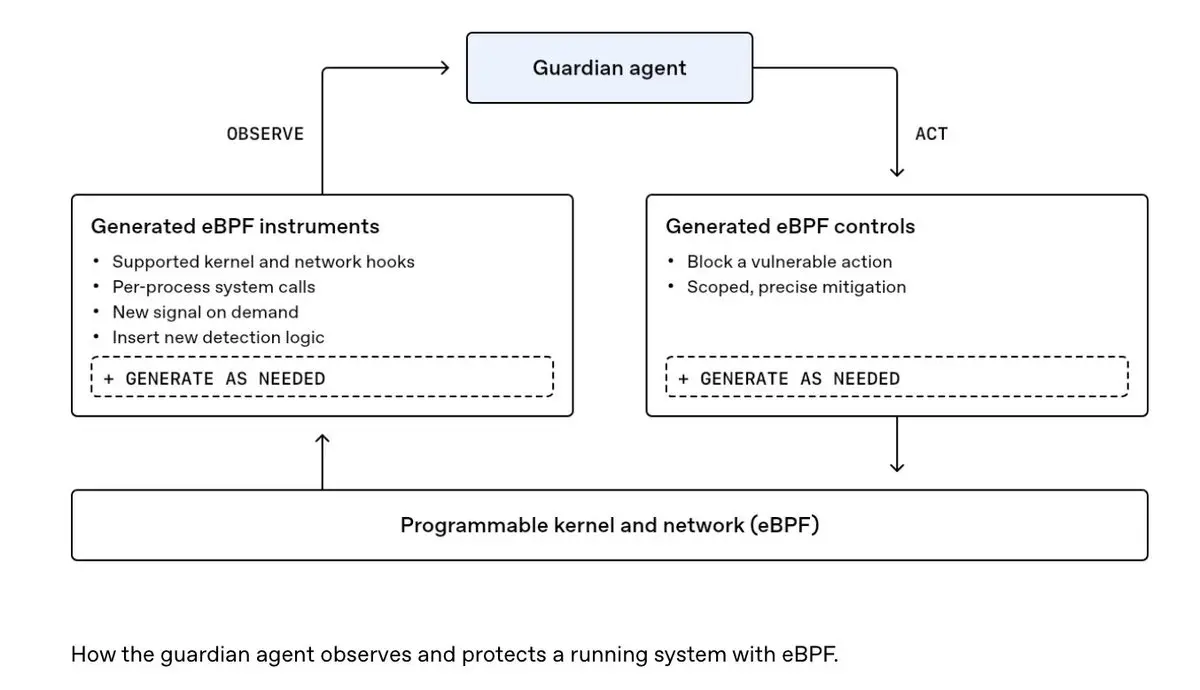
OpenAI and Cisco have released Shirudo, an open-source tool for Linux that lets AI agents protect a running system while a proper patch is still being prepared. An agent writes a temporary safeguard, which the project calls a shield. It blocks the behaviour an attack depends on and lets normal requests through. Once a person approves it, it goes live without a restart. The two companies announced it on Monday in OpenAI’s announcement, and the name is Japanese for “shield”.
In OpenAI’s controlled test, a shield written by Codex, OpenAI’s coding agent, blocked an attempt to exploit the Java4Shell vulnerability against a running Elasticsearch service, and the service kept working.
The gap it fills
Testing and rolling out a patch can still take days or weeks, OpenAI writes. Thomas Graf of Cisco went further, telling SiliconANGLE that fixing a major flaw in widely used software can take weeks or even months, and that “the mean time to exploitation has become negative”: more and more vulnerabilities are attacked before anyone discloses them.
Guarding a service in the meantime is awkward. An attack and a legitimate request often rely on the same basic operation inside Linux, so simply switching that operation off can take the service down along with the threat. Shirudo is meant to find a narrower cut.
How a shield works
Shields are built on eBPF, a Linux technology that runs small programs at specific points inside the operating system. That lets them watch for suspicious activity and step in on a running system. In the Java4Shell test, the shield added an input check to Java’s Base64 decoder and was attached directly to the live Elasticsearch process. When the exploit came in, the check rejected the malicious input.
The agents do the investigating and drafting; people decide what runs. Before a shield is enforced, a team can watch how it would affect its applications, and only an approved shield is deployed. Every shield is cryptographically signed and checked before it loads, which, Cisco says, holds even if an attacker has gained administrator access. A security chip in the machine, the Trusted Platform Module, keeps a verifiable record of which protections were loaded or removed, so operators can prove what a system was running.
Where it stands
The code is open under the BSD 2-Clause license, and OpenAI invites developers, security researchers and infrastructure operators to contribute shields and improvements. RuntimeWire describes it as a pre-release project. For now OpenAI points newcomers to a quickstart that signs, loads and verifies a test shield in a virtual machine.
The companies call Shirudo a first step. Per SiliconANGLE, it is the first project in a wider open-source effort called the Secure Infrastructure Project. OpenAI’s stated aim is to publish tested shields alongside vulnerability disclosures, so operators get a stopgap the moment a flaw goes public. A technical webinar is set for December 15.
Up next
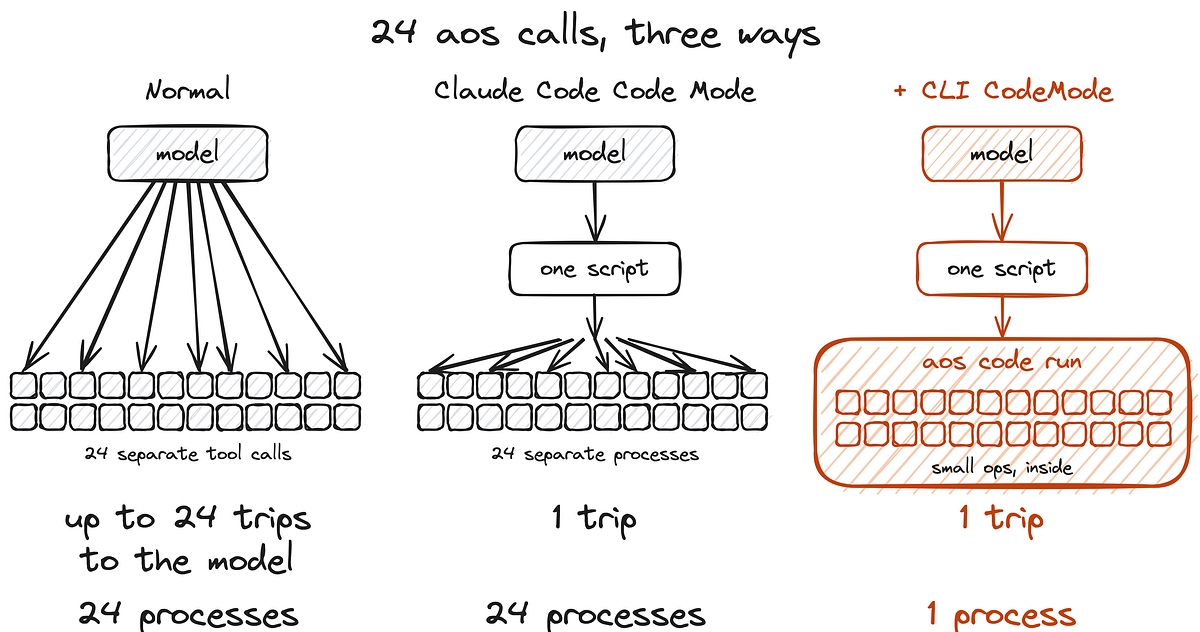
Inside Code Mode: 16 tools become three
A developer watched the API requests Claude Code sends. In normal mode his session listed 16 tools; in Code Mode, just three: REPL, Poll and advisor. Do you add more MCP servers or keep your tool list short?
Related stories
- NATO’s cyber agency used up to 300B OpenAI tokens a month
- ExploitGym score jumps to 48.5% in OpenAI’s GPT-6 Cyber
- OpenAI plans Cathedral sprint, bug bounties up to $172,000
- Crafted Brotli data can run code on Node.js, Bun and Envoy
- OpenAI ships a Codex skill that checks sites for php2shell
- libheif bugs reached OpenAI repos and GitHub Enterprise
Comments
No comments yet. Be the first.
Join the conversation
Sign in to leave a comment. It appears after moderation.