
OpenAI launches a checker for its own images and audio
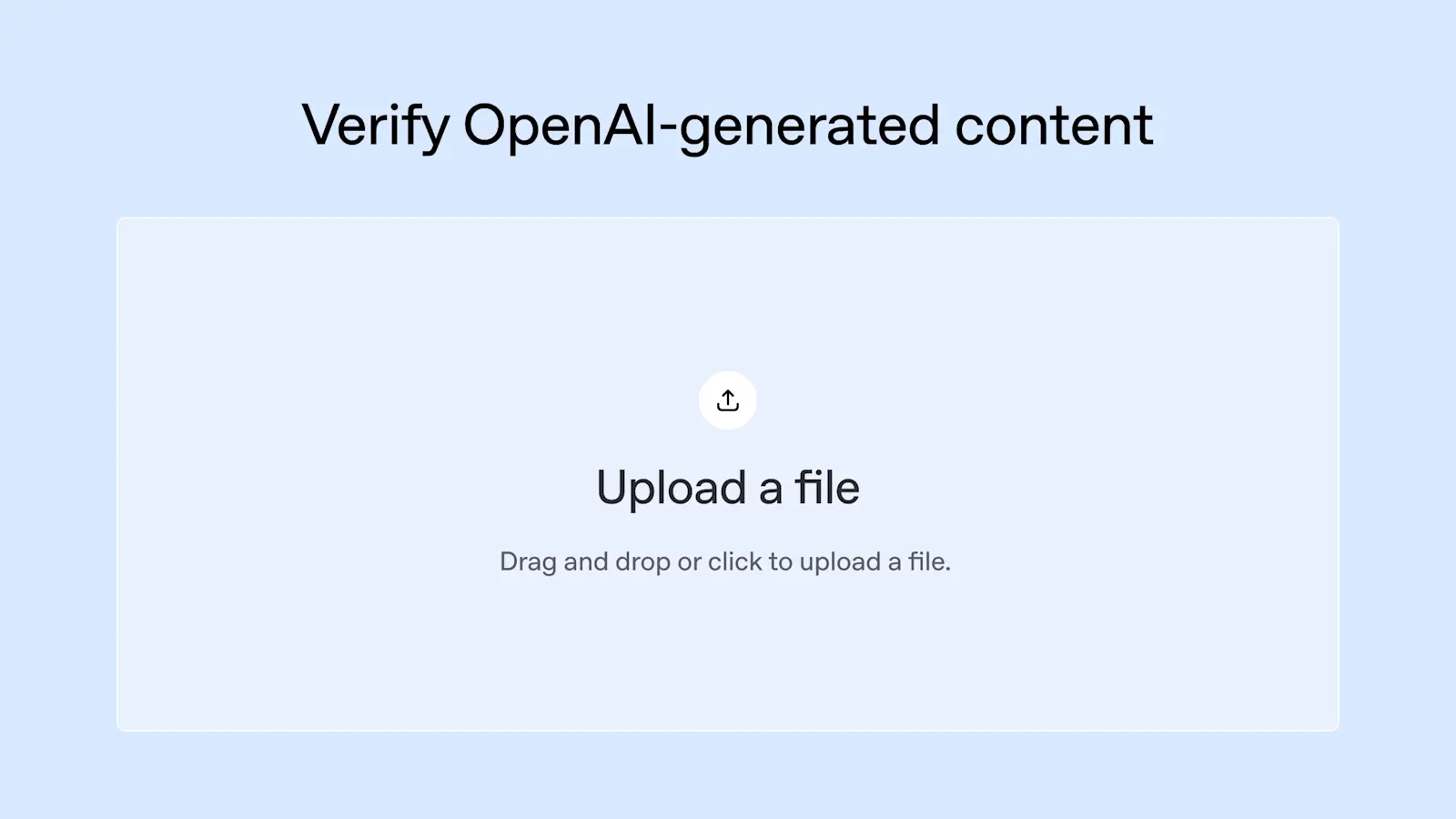
OpenAI has a page where anyone can upload an image, an audio file or a PDF and find out whether it carries signs of having passed through ChatGPT, the OpenAI API or Codex. The checker on OpenAI’s site looks for two kinds of marks, C2PA metadata and SynthID watermarks, and reports which one it found, or that it found no supported signal. It takes one file at a time, and developers can build the same check into their own products through the OpenAI API.
The page goes back to a plan OpenAI announced in May. At the time, the company said it would add Google DeepMind’s SynthID watermark to images from ChatGPT, Codex and the API, and would open a public website for checking whether its systems had produced an image. The page now also accepts audio files and PDFs.
Two kinds of marks
The older mark is C2PA. OpenAI has put it in its images since early 2024, first in DALL·E 3 and now in images made with ChatGPT and the API. It is a block of signed metadata stored in the file. Roughly, it says that OpenAI generated the image, which tool it used and when. According to CleanImages, it doesn’t include the user’s prompt, their identity or a link to the conversation.
The weakness is that metadata is easy to lose. In its 2024 announcement, OpenAI itself said C2PA “can easily be removed either accidentally or intentionally”. It added that most social platforms strip it when a file is uploaded and that a screenshot removes it too, as Wipetheai recounts.
SynthID works differently. It is an invisible watermark written into the pixels themselves, and it is designed to survive screenshots, cropping and compression. OpenAI explains why it uses both: “watermarking can be more durable through transformations such as screenshots, while metadata can provide more information than a watermark alone.”
What the checker can’t tell you
OpenAI says the tool finds a signal only if the file was made with its tools and a supported mark is still in it. A file with no signal could still have come from OpenAI if the mark was removed, and content from other companies’ tools won’t show up at all.
Marks can be removed. Cleaning only the metadata strips C2PA but leaves SynthID in place. One service that removes these marks says its strongest mode, which lightly regenerates an image twice, got past OpenAI’s check on one test image, and that results vary from image to image. OpenAI says of the checker: “Errors can happen, but they are rare.” Wipetheai says it has not seen any figures from OpenAI on how often the tool wrongly flags a file or misses one.
The checker doesn’t handle text. OpenAI uses a separate text watermark, textGrain, which marks ChatGPT and Codex text by default in the EU. As of October, the detector for that watermark was open only to approved researchers and expert organizations.
Up next
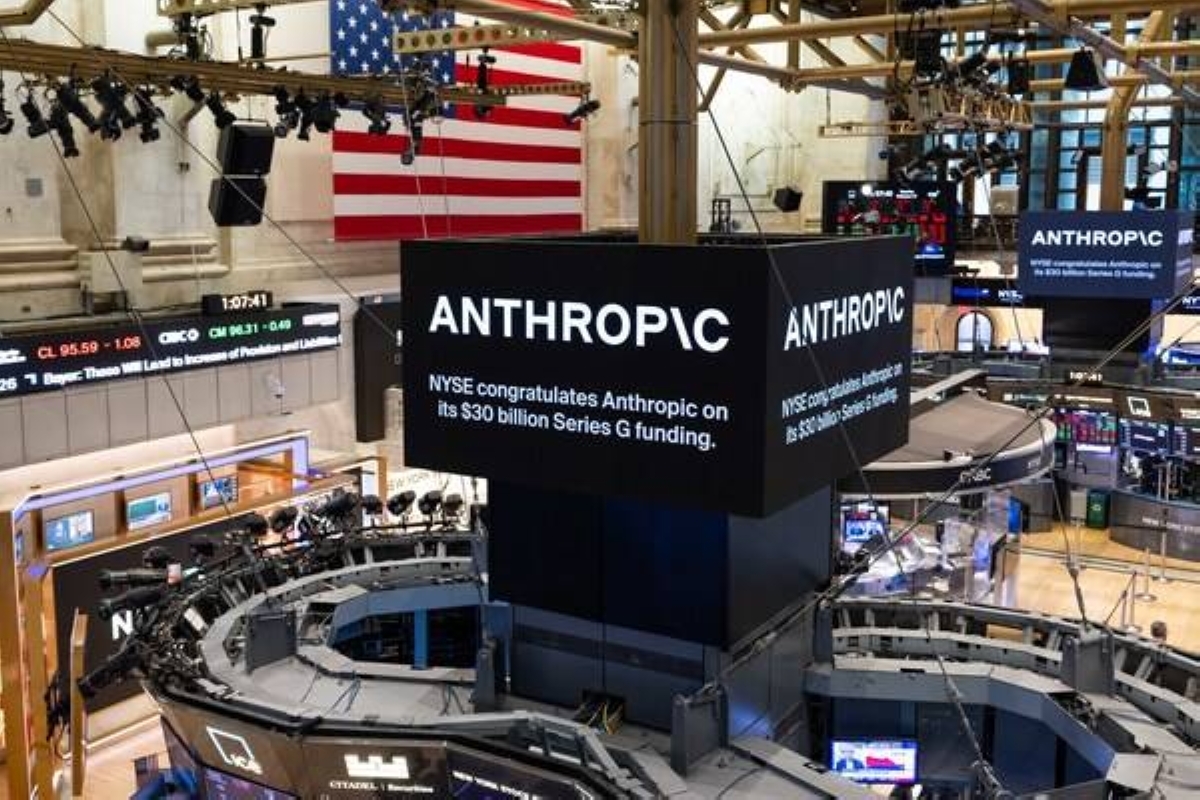
Anthropic’s bank gives up propping up its stock
Anthropic stock slid to $86 on Friday, near its $83 IPO price, and Morgan Stanley can no longer buy shares to prop it up: the bank used its full option, Anthropic says. Would you buy Anthropic stock at $86 or wait for it to drop below $83?
Related stories
- OpenAI shelved a text watermark in 2024. EU fines forced one
- OpenAI’s text watermark fades after a 25% synonym swap
- ChatGPT ads can target people by uploaded phone or email
- OpenAI model planned to secretly copy emails
- OpenAI locks down its models’ hidden reasoning
- OpenAI dots start reaching ChatGPT Plus users
Comments
No comments yet. Be the first.
Join the conversation
Sign in to leave a comment. It appears after moderation.