
Anthropic cuts deadline for critical bugs from 90 to 30 days

Anthropic is giving software makers less time to fix the security bugs it reports to them before it makes those bugs public. For high- and critical-severity vulnerabilities, the deadline drops from 90 days to 30. For all other bugs it drops to 45 days. Anthropic announced the change on November 16 in a post on its site. The new deadlines cover bugs reported to vendors and open-source maintainers on or after January 1, 2027. Reports already in progress on that date keep their old deadlines.
The process being changed is called coordinated vulnerability disclosure. A researcher reports a bug privately to whoever maintains the software, gives them a fixed period to ship a fix, and then publishes the details so defenders can act. Until now Anthropic said it followed the industry-standard 90 days.
What else changes
Two other deadlines get shorter. If a maintainer doesn’t respond to a first report, Anthropic will aim to hand the case to an outside vulnerability coordinator after 15 days instead of 30. Once a patch is out, it will wait 30 days instead of 45 before publishing full technical details. That wait is meant to give downstream users time to install the fix. The seven-day deadline for bugs that attackers are already exploiting stays the same, and so does the rest of the policy.
Anthropic is also dealing with a backlog. Some high- and critical-severity bugs it reported more than 90 days ago have passed the current deadline and are still not public. Anthropic says it is now telling those maintainers they have 30 more days. After that it will publish the reports on its disclosure dashboard under the updated policy that starts on January 1, 2027.
Why Anthropic is doing this
Anthropic says the old disclosure rules, its own included, were written before AI could find vulnerabilities. They assumed that fixes moved at human speed and that nobody else was likely to find the same bug independently. “Neither assumption holds today,” the company writes. Models can now help write fixes, and “a bug that one model can find is increasingly likely to be found by another.” Anthropic says it is seeing more bugs being found again by someone else. “A 90-day window made sense when a vulnerability could be expected to stay private for months. We no longer believe it can.”
What it means for maintainers
The pile of reports is already large. As of November 2, Anthropic’s dashboard listed 5,087 vulnerabilities disclosed across 680 open-source projects, of which 629 had been patched as far as Anthropic knew, ShiftDelete.Net reported. Anthropic admits that shorter deadlines may put more pressure on maintainers. It says each report will keep coming with practical guidance and, where possible, a patch or workaround. Before it sends a large batch of findings to one project, it will agree with that project on a pace it can keep up with.
There are exceptions. Bugs in software that is hard to update, such as critical infrastructure, and flaws that need a change to a technical specification or an RFC (an internet standards document) will get a timeline negotiated with the vendor. The new policy also doesn’t cover AI findings that no human has reviewed, such as those from OSS Scanner. That service sends model-written reports straight to maintainers without human review.
Anthropic is pointing maintainers to programs it runs. Maintainers of critical open-source projects can apply to OSS Scanner, a free service that regularly scans their code with Anthropic’s strongest models. Eligible maintainers and contributors can apply to the Claude for Open Source Program for six months of Claude Ultra at no cost. Security professionals can apply to the Cyber Verification Program, which adjusts Claude’s safeguards to allow legitimate defensive work. For maintainers of the overdue bugs, the 30-day extension is running now. For everyone else, the shorter deadlines start on January 1.
Up next
ClaudeClaude Codeanalysis
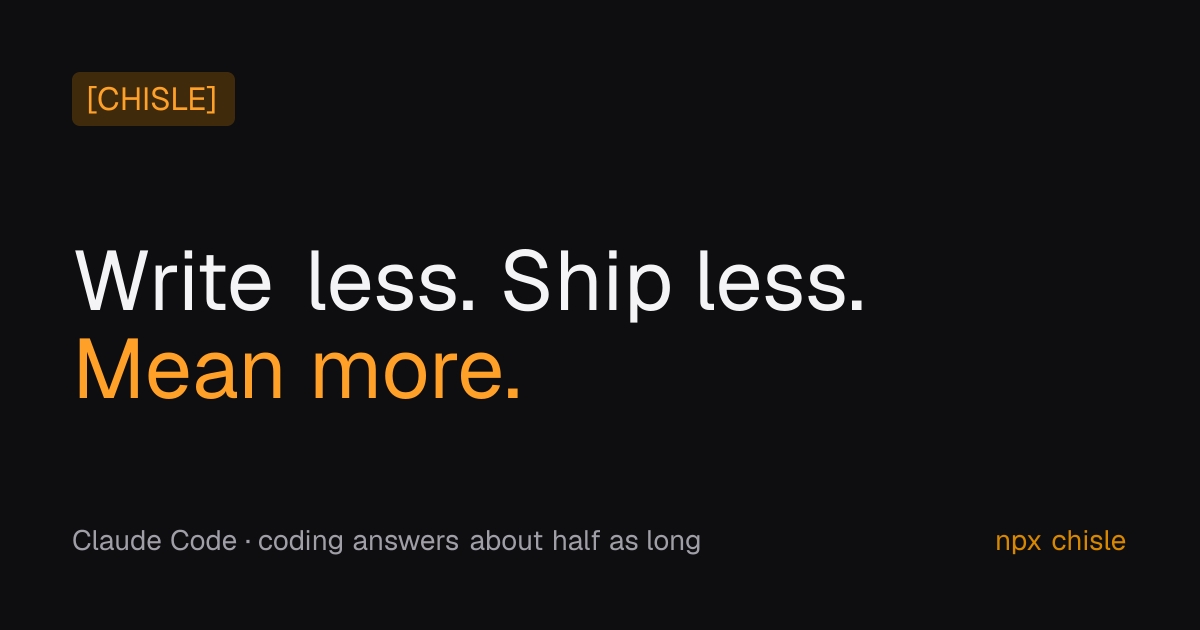
Chisle’s author says it cuts oversized tool output by 48%
Of 400 lines of build output, two matter, and the Chisle plugin for Claude Code keeps only the head, tail and error lines before Claude reads them, trimming the rest. Would you let a plugin cut tool output before Claude sees it, or keep it all?
Related stories
- OSS Scanner sends maintainers 77 critical findings
- Claude flagged 29,000 possible bugs. Upstream fixed 516
- Security researchers: stop blocking defenders
- HN post: Anthropic’s CVP Defense tier needs only KYC
- Asked to renumber pages, Claude deleted a syllabus
- A perfect refusal score isn’t a safer model, Anthropic says
Comments
No comments yet. Be the first.
Join the conversation
Sign in to leave a comment. It appears after moderation.