
Claude flagged 29,000 possible bugs. Upstream fixed 516
Over six months, Anthropic’s models flagged more than 29,000 candidate vulnerabilities in widely used open-source projects. As of October 2, only 516 vulnerabilities had been patched upstream, according to a disclosure dashboard cited by The New Stack.
In its launch post for OSS Scanner, Anthropic says it remains “bottlenecked on our human capacity to validate these findings.” With OSS Scanner, maintainers can skip the review queue. Projects that opt in get free, periodic scans from Anthropic’s strongest models, including Claude Mythos, and the reports go straight to them with no human review or triage. Tech Times dates the release to October 8.
Where the 29,000 get stuck
The human side of the pipeline relies on six external security research firms that reproduce and triage findings, The New Stack reports. Anthropic says they have worked through approximately 6,000 candidates. The dashboard gives the detail: 6,123 findings reviewed and 5,674 confirmed as valid, a confirmation rate of about 93%. In all, 6,157 findings went to maintainers and 584 CVE and GitHub Security Advisory identifiers were issued, though some findings received both. Roughly 23,000 candidates have not been reviewed.
Patching happens on the maintainers’ side. They still have to test, backport and ship every fix themselves, The New Stack notes.
Anthropic’s disclosure principles say every report it sends generally reflects a finding a human security researcher has confirmed, follow the industry-standard 90-day deadline and pace submissions to what maintainers can absorb. Maintainers who received the first reports increasingly asked for everything at once. Anthropic says it has already sent nearly 5,000 unverified reports, with proposed patches, to maintainers who asked to receive everything, validated or not. Its stated reason is speed: exploits can now be developed in minutes, so projects that fix bugs faster are better placed against attackers looking for the same weaknesses. The human-verified track continues, Anthropic says, especially for projects that lack the people to triage reports themselves.
What a scanner report contains
Each OSS Scanner report comes with a self-contained reproducer and an explanation of the bug. Where possible, the explanation includes a bisection: a search back through the commit history to find the change that introduced the bug. A candidate patch is attached when the model can produce one. Anthropic says the service was inspired by Google’s OSS-Fuzz, which scans open-source code with fuzzers. It also separates OSS Scanner from Claude Security, its general-access code scanning and patching product, which focuses on helping enterprises defend their systems.
Anthropic says the scanner is informed by its experience finding vulnerabilities with Claude during Project Glasswing, the restricted defensive initiative announced on April 7 alongside Claude Mythos Preview. It also cites CyberGym, an academic benchmark for finding vulnerabilities: LLMs found under 20% of its vulnerabilities at the start of last year and over 85% this year. Over the same period, Anthropic says, maintainers went from receiving mostly slop from LLMs to receiving high-quality bug reports.
Before opening the service up, Anthropic spent several weeks running the pipeline with dozens of projects. Those first disclosures held hundreds of bug reports, and Anthropic says it chained several of the vulnerabilities into unauthenticated remote code execution exploits. As a check, the penetration testers who review its coordinated disclosures examined 97 critical and high-severity findings from an early version of the scanner, spread across 48 projects. Of those, 85 (88%) met the bar for disclosure. Eleven of the remaining 12 were real bugs that duplicated known issues or other findings from the same scan, and one was a false positive.
The New Stack notes that this sample covers the early scanner’s critical and high-severity output, which is separate from the 29,000 candidates. It says little about lower-severity findings or about how the scanner will perform at scale. Anthropic itself says maintainers have seldom called a high or critical finding invalid, though some have reported inflated severity ratings or cases where the scanner misunderstood a project’s threat model.
Who can enroll?
Core maintainers enroll a project by submitting a PR to Anthropic’s GitHub repo using the standard project template, with further guidance in an extended FAQ. The eligibility criteria are similar to OSS-Fuzz’s: a project should have a “critical impact on infrastructure and user security,” and Anthropic will decide case by case. Separately, Claude for OSS gives free Claude Max 20x subscriptions for remediation work, and the Cyber Verification Program gives qualifying security professionals access to advanced cyber capabilities with fewer blocking classifiers.
What maintainers say
On October 1, Google temporarily suspended product vulnerability submissions to its Open Source Software Vulnerability Rewards Program, citing “a significant rise in automated submissions, the vast majority of which are not valid,” Tech Times reported. Google said it would provide an update in Q1 2027. The same outlet reported that by mid-year, AI scanning tools had pushed report volumes to roughly four times historical rates, mixing real high-severity findings with proofs of concept that don’t compile.
Maintainers who tested OSS Scanner describe a different experience. Anton Arapov of OpenSSL Corporation said early AI reports from about 18 months ago “were appalling,” while the ones from Anthropic, raw model output included, “were as good and sometimes better than what we get from people.” Todd Ouska of wolfSSL said all but two of the 74 reports his project received were valid, and five became CVEs. Noah Misch of PostgreSQL said several reports came with fixes the team could use “nearly as-is,” and that fast-track access let PostgreSQL deal with the newest issues before they reached a GA release.
Daniel Stenberg of curl said the scanner found multiple issues worth fixing, “including one of the worst curl vulnerabilities reported in the last few years.”
Up next
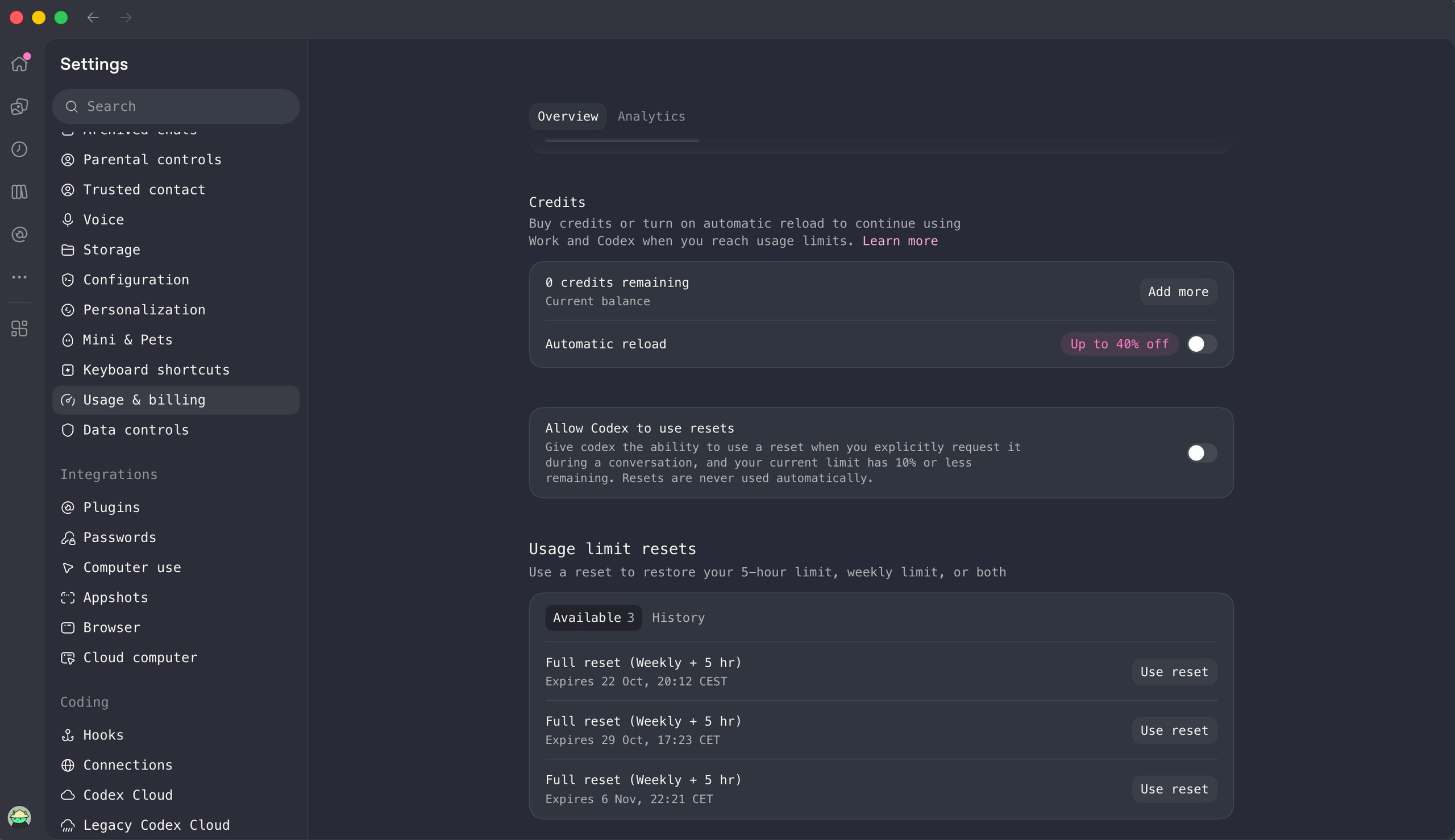
Codex will spend a saved limit reset, but only when asked
Mid-session in Codex with 10% or less of your limit left, you can tell it to spend a saved reset itself. It won’t touch one unless you ask in the chat. At what percent of your Codex limit do you start rationing?
Related stories
Comments
No comments yet. Be the first.
Join the conversation
Sign in to leave a comment. It appears after moderation.