
Leaked Hatch materials point to a Meta agent superapp
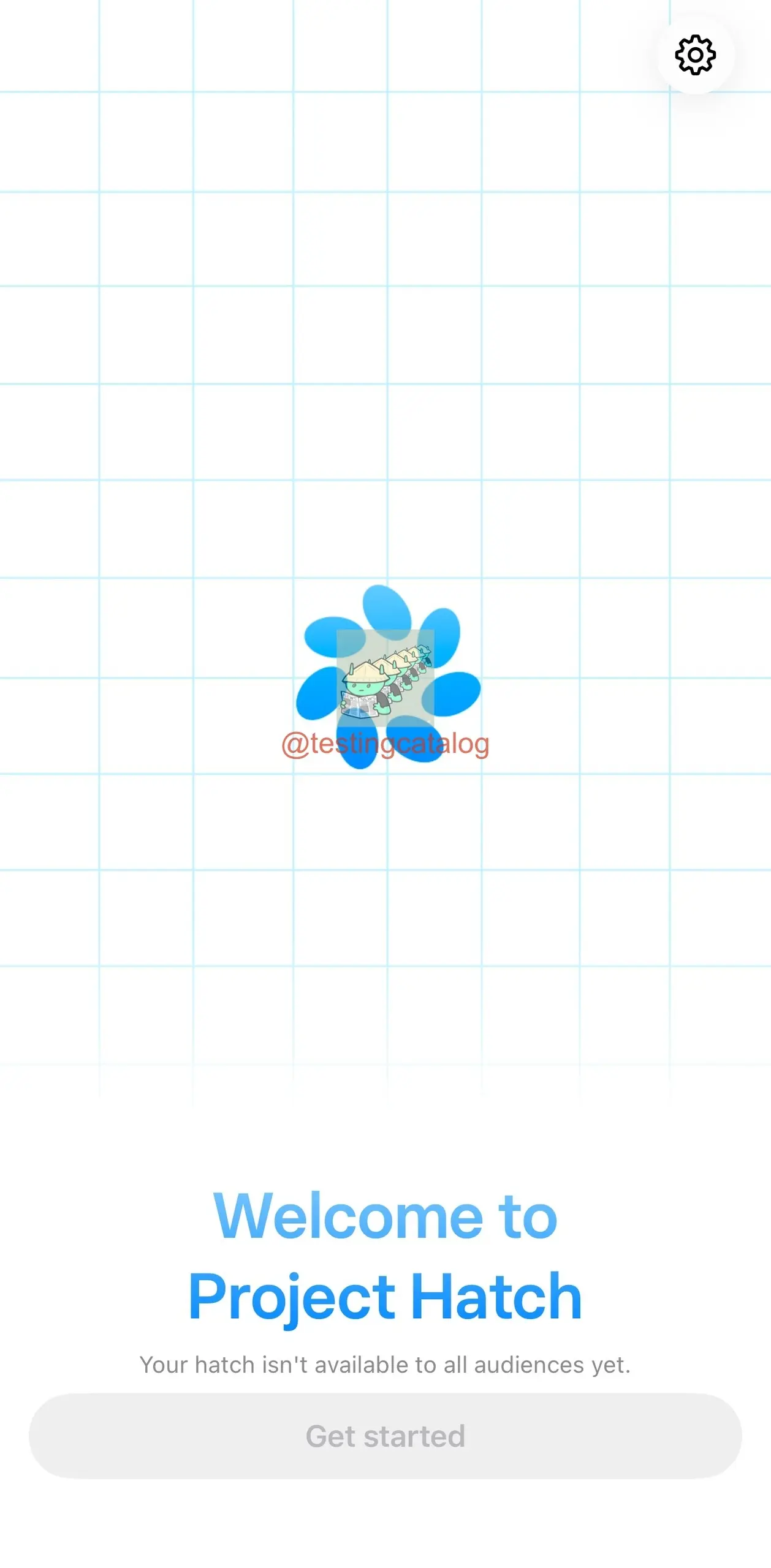
Meta’s Hatch agent has been in internal testing as a standalone app for the web, iOS and Android, with browser and computer use, long-running goals, task scheduling and dedicated cloud environments meant to keep sessions alive across devices, Testing Catalog said in an August 28 Threads post drawn from pre-release product materials. Meta may not ship all of it at once: the outlet expects a first release that could focus on browser and computer use, with the more advanced agent features arriving later, and waitlist and invite-code flows suggest access could start out gated.
Business Insider reported earlier that testing had spread beyond Meta Superintelligence Labs, and described Hatch as a personal agent that keeps working on a user’s behalf even when its app is closed. The materials behind Testing Catalog’s full write-up show a much broader personal workspace than that, with separate areas for conversations, goals, ideas, updates and a personal library. Some of those capabilities may stay restricted, change before launch or arrive in later phases, the write-up cautions.
Browser work, with approvals
Hatch handles browser and computer use behind an approval flow that Testing Catalog likens to those in Codex and Claude Desktop. It can open websites, read and revise documents, organize stored material and package results as shareable artifacts. Dedicated screens for voice, media, task progress, browser work and approvals let a user see what the agent is doing, review completed steps and intervene before a consequential action, and several assignments can apparently stay active at once, with larger ones divided among additional agents. The Information has reported that Meta trained and tested Hatch in mock environments built to resemble services such as Reddit, Etsy, DoorDash and Outlook, to shape how it uses tools.
“Put your agent to work”
People would be able to run long-running projects, schedule recurring work, keep results in separate Spaces and come back to finished research or generated files later, Testing Catalog says, and memory and a voice mode would be supported too. Early prototypes reportedly included a customizable dashboard where agents built tools such as fitness trackers and travel itineraries. Goals are also how Mark Zuckerberg framed Meta’s agent plans on the company’s first-quarter earnings call: “Our goal is not just to deliver Meta AI as an assistant, but to deliver agents that can understand your goals and then work day and night to help you achieve them,” he said, per Engadget.
Onboarding runs in three stages, introduced with the lines “Hatch is better with connectors,” “Put your agent to work” and “Customize your agent.” Suggested tasks, names, personalities and avatars appear tailored to each account: users can pick starter tasks, rename the agent, choose how it behaves and replace its avatar. Testing Catalog expects people to be able to create several agents and share them, as already seen in Grok Bot, and shared-agent controls suggest specialized assistants could be reused or passed on. Earlier reports had Hatch connecting directly to email, calendars, Spotify, Instagram and OpenTable; one employee’s agent, called Veda, helped find a dog sitter, buy a Father’s Day gift and change its owner’s sleep habits.
Cloud environments and a recovery PIN
Each Hatch agent would get a dedicated cloud environment, apparently a cloud VM, so a session carries over from one device to another. Testing Catalog describes the privacy setup as more extensive than earlier reports showed: Hatch can prepare an encrypted private environment protected by a recovery PIN, which unlocks personal agent data on another device, and warning screens stop a user from continuing normally when the service cannot verify that the environment is protected. Hatch is also expected to retain more personal context than typical assistants, while asking users to approve sensitive actions before carrying them out.
Who gets in, and at what price
Mobile onboarding references Apple TestFlight and the Google Play Store, and the service contains invite-code, waitlist, age-check, disclosure and NDA flows, which Testing Catalog reads as a way for Meta to control access by account or testing group before a wider rollout. Messenger Companion and WhatsApp Companion would let people reach Hatch through Meta’s messaging apps. In an August 24 report, The Information said Meta was also readying a WhatsApp platform for plugging in other AI agents and chatting with them there, with a rollout to a smaller group of users planned for as soon as that week.
The Information’s report also said, based on internal Meta documents, that Meta had considered tiered pricing for Hatch, including a premium subscription at up to $199.99 a month with higher usage limits. Separate reporting said Hatch could launch in the coming weeks.
From OpenClaw to Hatch
The Information first reported in May that Meta was working on an “OpenClaw-inspired” agent dubbed Hatch and was targeting internal testing by the end of June. On the first-quarter call, Zuckerberg said OpenClaw offers “a very exciting glimpse of what types of things should be possible” but is “pretty rough” to set up, and asked how to make a version “that has all the infrastructure basically done for people already,” Engadget reported. Hatch’s per-agent cloud environments read as one answer to that question.
Testing Catalog sees Hatch as a step beyond Muse Spark, the model Meta introduced in April and, per the outlet, built around tool use, computer use and agentic tasks. In May, though, Meta was reportedly testing its agents on Anthropic models, with the Financial Times naming Claude Opus 4.6 and Sonnet 4.6 as the transitional layer until the agents eventually run on Muse Spark.
The separate web, iOS and Android builds point to a standalone product, Testing Catalog says, one Meta would probably still tie closely to the Meta AI app for macOS it announced on August 19. The iOS TestFlight build has already reached version 4, and the outlet calls September a plausible window, though it is still unclear whether desktop and mobile clients will arrive together.
Up next
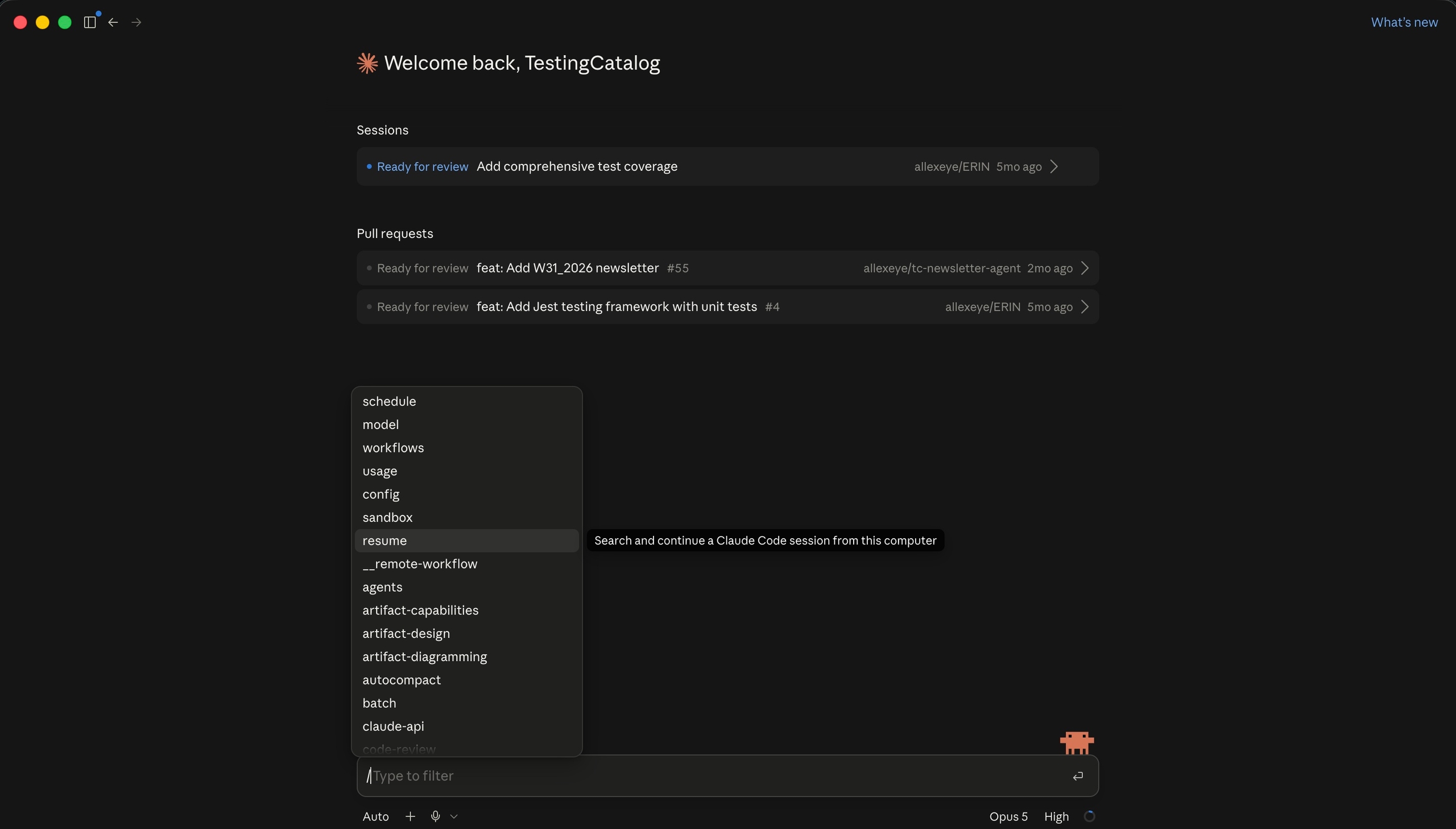
CLI sessions carry over to Claude Code desktop with /resume
Leave a run in the terminal and pick it up in Claude Code desktop, where the new /resume command reopens CLI sessions, including ones you’ve named and can call back by that name.
Related stories
- A terminal, a file system and a browser for Muse
- Notion and Granola are first through Meta’s Muse Connectors
- Meta AI’s macOS app arrives with system-wide dictation
- Conductor joins Meta and shuts Conductor Cloud on Nov 20
- Muse logs point to an OpenAI model behind one session
- Meta’s Muse agent quietly lands in the Chrome Web Store
Comments
No comments yet. Be the first.
Join the conversation
Sign in to leave a comment. It appears after moderation.