
Mistral’s Vibe coding agent comes to the desktop
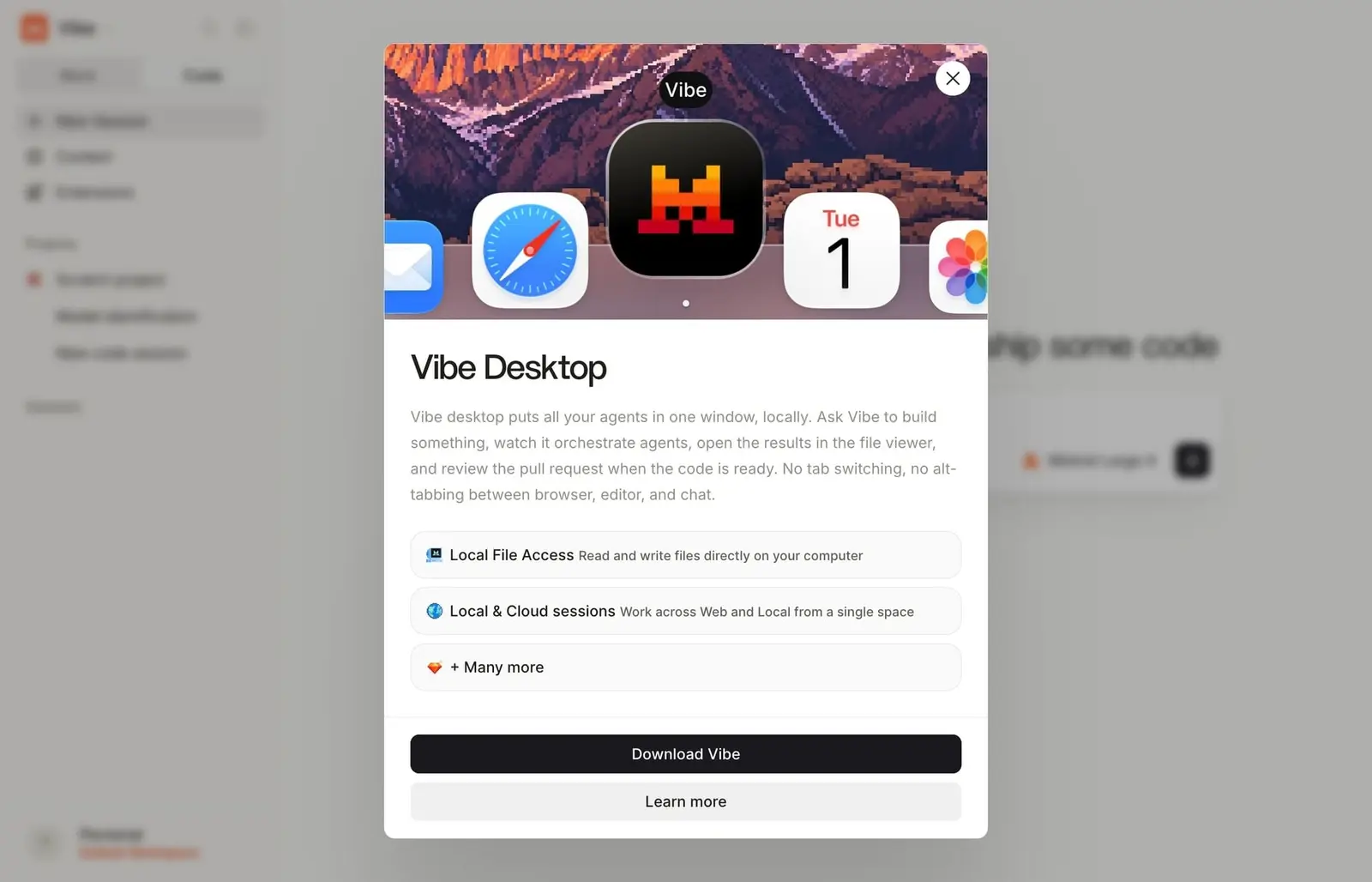
Mistral has released Vibe, its agent for coding and long-running work, as a desktop app for macOS and Windows. The Paris lab announced it on X on Tuesday, November 17: you hand Vibe several tasks at once, watch the agents work side by side, then review their changes and track pull requests in the same window. To mark the launch, developers in Europe can get the paid Pro plan free for three months.
Vibe started out in December 2025 as a command-line tool, an open-source agent that lives in the terminal, reads your code, edits files and runs commands from plain-English instructions. Since then it has absorbed Le Chat, Mistral’s chat assistant, which is now called Vibe for work. According to TestingCatalog, Vibe is now Mistral’s single product for work and code, and existing conversations, settings and plans carry over.
What the app does
The desktop app takes the agent out of the browser and the terminal. Agents can run locally on your own machine or remotely in the cloud, and the review happens in one place: you look over each agent’s diffs, the line-by-line changes it made, and follow the pull requests that come out of them. A Linux version is listed as coming soon.
The app doesn’t replace the other ways in. Developers can still start from the command line, run Vibe inside VS Code, JetBrains or Zed, or launch a task with a cloud agent and pull it back to the command line later. Vibe also connects to more than 100 tools, including email, calendar, Slack, GitHub and Jira. TestingCatalog says a native app puts Mistral in direct competition with Codex and Claude Code.
The free offer
Developers in Europe can start Vibe Pro free for three months with the code LECHONK, entered through the link in Mistral’s post. Pro normally costs $14.99 a month before taxes and unlocks agents, long tasks and all-day coding; the free plan covers quick answers, web search and simple tasks. Mistral says the offer is first come, first served and that terms apply. The first batch of codes ran out on the day it was announced, before the company added more.
The model behind it
The launch is paired with Le Chonk, Mistral’s nickname for Mistral Large 4, a 1-trillion-parameter open-weight model, meaning anyone can download it and run it themselves. Mistral calls Vibe and Le Chonk “the world’s best open model-harness duo.” The company says the pair scores highest among open models on two coding tests, FrontierCode and Terminal-Bench, is “actually better than GLM / DeepSeek at coding” and takes on security work that other agents refuse. These are Mistral’s own claims, and its post compares the pair only with other open models.
That framing has a history. When Mistral launched the Vibe command-line tool with its Devstral 2 model in December 2025, its own human evaluations had Devstral 2 winning more often than DeepSeek V3.2, while Anthropic’s Claude Sonnet 4.5 was still clearly preferred. Mistral said back then that a gap with closed models persisted. Its new post doesn’t say whether Le Chonk closes it.
Up next
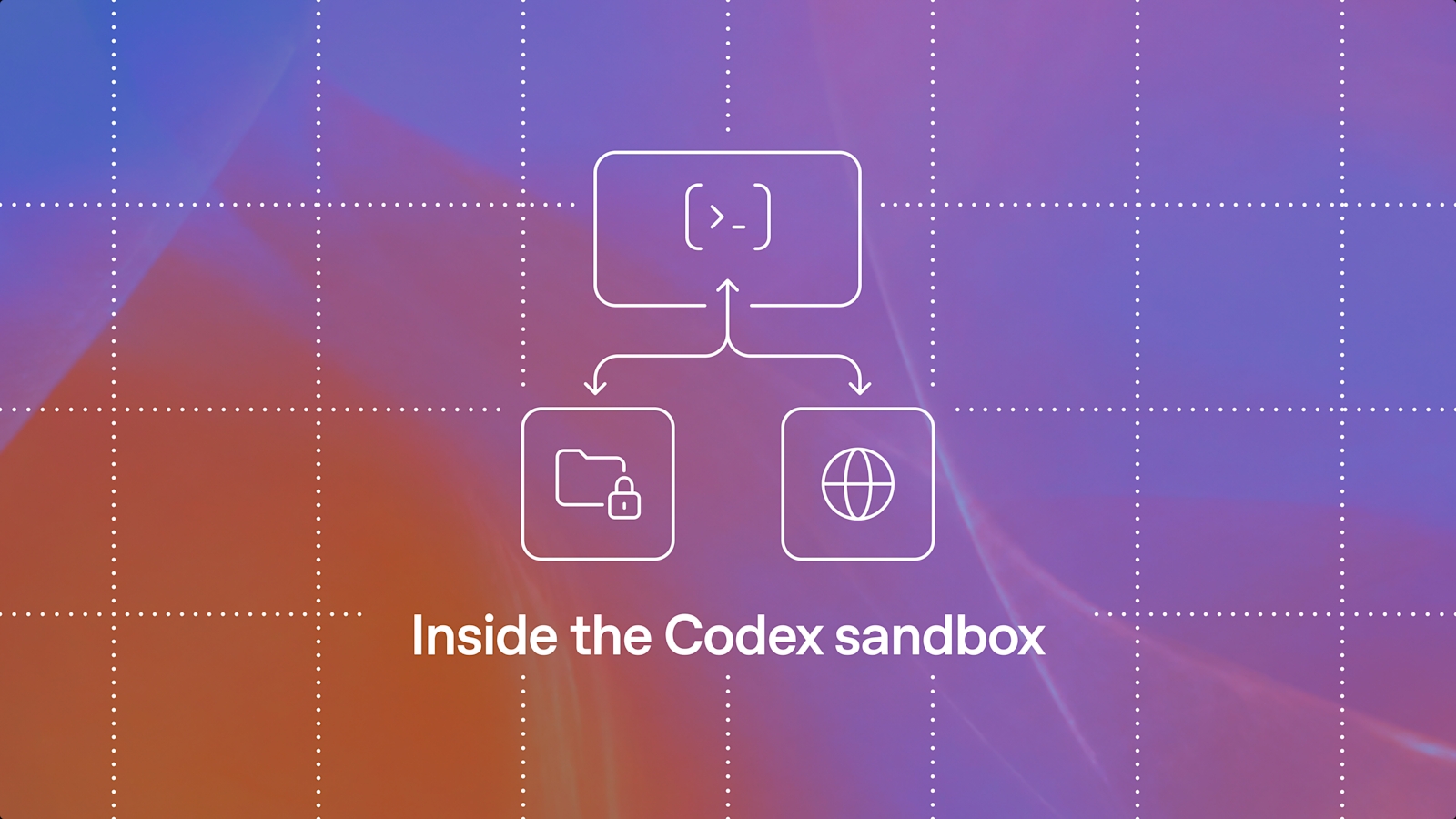
What the Codex sandbox blocks and what it can’t
By default, Codex can read files almost anywhere on your computer, so config files with API keys may stay readable, OpenAI writes. What it can’t do is reach the internet. Would you give a coding agent internet access or keep it offline?
Related stories
- Cursor hosts and deploys apps its cloud agents build
- Mistral Studio adds managed agents and one-command deploy
- GitHub Copilot gets five new features at Universe’26
- DeepSeek Harness v0.2 lands on macOS and Windows, not Linux
- Microsoft Copilot gets a Code mode on GitHub Copilot tech
- Cursor’s new bot follows each pull request into production
Comments
No comments yet. Be the first.
Join the conversation
Sign in to leave a comment. It appears after moderation.