
OpenAI models found up to 14% gains in AMD’s GPU design
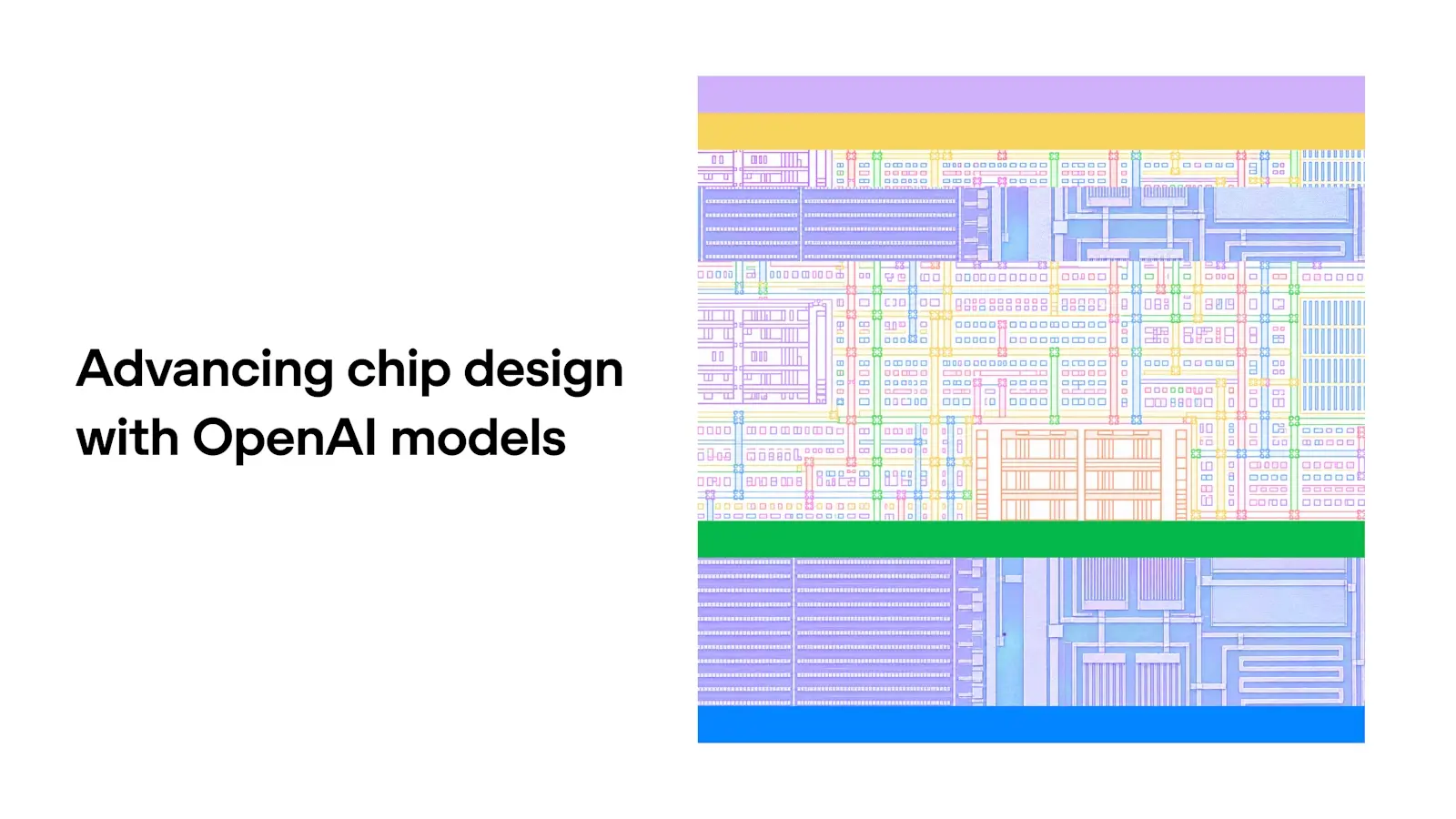
OpenAI says its models are now improving chips from another company. On AMD’s flagship GPU design, the models found changes worth up to 14% in power, performance and area, measured against designs AMD had already heavily optimized. AMD has put some of those changes into a recent design it sent for manufacturing. OpenAI described the AMD work in a post on OpenAI’s blog. The same post looks more closely at how its models helped design its own chip and how newer models compare at chip design.
That chip is Jalapeño, OpenAI’s first custom processor for inference, the stage where a trained model answers requests. OpenAI and Broadcom unveiled it in June, and Broadcom said it went from design to production in nine months, “accelerated by OpenAI’s models”.
What the models did at AMD
Chip designers judge a circuit on three things at once: how much power it uses, how fast it runs and how much space it takes on the chip. The industry shorthand is PPA. To improve it on AMD’s GPU, the model rewrote the code that describes the chip’s circuits. It then used tools from Synopsys, whose software engineers already rely on to design and verify chips, to check that each rewrite still behaved the same and to weigh the trade-offs.
OpenAI calls the result roughly a year of progress achieved in less than five months. Besides the changes already in the design sent for manufacturing, AMD added others to its production design files for future versions. AMD also verified single-digit percentage gains across key blocks of its upcoming next-generation flagship CPU, using designs written by OpenAI’s model.
Inside Jalapeño
OpenAI started using GPT-4o on Jalapeño in early 2025, and even that early model found real improvements. In one case, it redesigned a multiplier so that it took about 15% less space and finished its work in one clock cycle instead of two. Across the whole effort, the team estimates that changes proposed by the models cut the area of the chip’s basic logic by about 13% in the vector unit and 10% in the matrix unit, the two blocks that do much of the computing. These changes were confirmed on real silicon once the first chips came back.
How newer models compare
To track progress from one model generation to the next, OpenAI gave its models two small open-source processor designs, PicoRV32 and Ibex, and asked them to make the processors run more instructions per second. With a comparable budget of about 112,000 tokens per run, the newest model, GPT-6.2 Astra, had the highest average score on both. On PicoRV32 its score was about twice that of GPT-6 Astra.
In a second test, the models designed a processor from written requirements instead of improving an existing one, and all five models tested scored higher. OpenAI adds a caveat of its own: starting from requirements let the models leave out features the original designs have, such as performance counters, and that could explain part of the higher scores. Requiring those features, setting a tighter limit on size and checking timing more strictly would make the test closer to real chip design, the company says.
What comes next
OpenAI expects further gains on AMD’s GPU and CPU. It is also partnering with Synopsys to train a new model, GPT-Synopsys, to use Synopsys’s chip design tools the way expert chip designers do.
Up next

Mistral’s Vibe coding agent comes to the desktop
European developers can get Mistral’s Vibe Pro free for three months, and its new desktop app lets several coding agents work side by side, then shows their diffs in one window. Would you run several coding agents at once or stick to one?
Related stories
- Fewer than 100 people built OpenAI’s Jalapeño chip
- Stock OpenAI models saved Jalapeño over 13% of die area
- First results land for OpenAI’s Jalapeño inference chip
- OpenAI built idle silicon into Jalapeño on purpose
- GPT-6.2 Astra stays quiet about problems more often
- Scientists tell OpenAI work takes 1.9x as long without AI
Comments
No comments yet. Be the first.
Join the conversation
Sign in to leave a comment. It appears after moderation.