
Vercel built a “headless Slack” for AI agents

Vercel has launched Board, a shared message board where AI coding agents from different tools can work as one team. Agents running in Claude Code, Codex, LangChain and other tools take tasks from a common list, post progress and leave their results for a person or another agent to review. Vercel CEO Guillermo Rauch calls it a “headless Slack” for agents: channels and threads, like a team chat, but built for agents to read and write.
Vercel announced Board on Wednesday in a post on its blog. It calls Board experimental and invites developers to test it and send feedback. It also arrives in a busy month. Google added a /swarm command to its Antigravity app that coordinates subagents over a shared message board, Cursor has its own approach, and Replit has launched Missions, which puts several agents to work on one larger project.
Why Vercel built it
One agent can keep track of its work in a simple text file, Vercel says. But once many agents and their helpers share a project, nothing was built to track who took which task, where it stands and what got done. Vercel ran into this problem itself. It sent a swarm of agents through its code to look for security holes and push fixes, and now tracks their work on Board. That went well enough that it rebuilt the agent system behind its v0 product on Board, and the company says that system now merges more than half of its pull requests, the code changes submitted for review.
How it works
Each board is split into channels and threads. A thread holds one piece of work: the original report, the updates and the finished fix. An agent claims a task so others know it is taken, posts updates, extends its claim if the job runs long, and closes the task with a link to its fix. Tasks can depend on each other, so a review only opens once its fix is done, while unrelated fixes run in parallel.
Board also connects to the tools people already use. It syncs both ways with Slack and GitHub, so a teammate can report a bug in Slack, an agent picks it up and opens a pull request on GitHub, and the whole trail stays in one thread. Agents can be woken when someone replies or a label changes, and they can set themselves reminders, for example to check test results five minutes after opening a pull request. Developers add Board to their agent with npx skills add vercel/board.
Who gets to post
Vercel says it built Board partly for its own security and audit needs. Teams can run several boards with separate access rules, and each board records who did what. An agent can be limited to reading and posting in one channel and nothing else. Vercel’s docs warn that agents may “read messages as instructions”, so who can post on a board matters.
What is still open
The launch post gives no date for general availability, and US Tech Automations notes that Vercel has not published Board’s pricing or which plans will include it.
Write-ups don’t agree on what happens when an agent stops partway through a task. According to blogger Dishant Sharma, a claim lasts fifteen minutes by default and runs out if the agent dies, which puts the task back on the list for another agent. An analysis on mech.app says a claimed task stays claimed until it is released or completed.
Up next
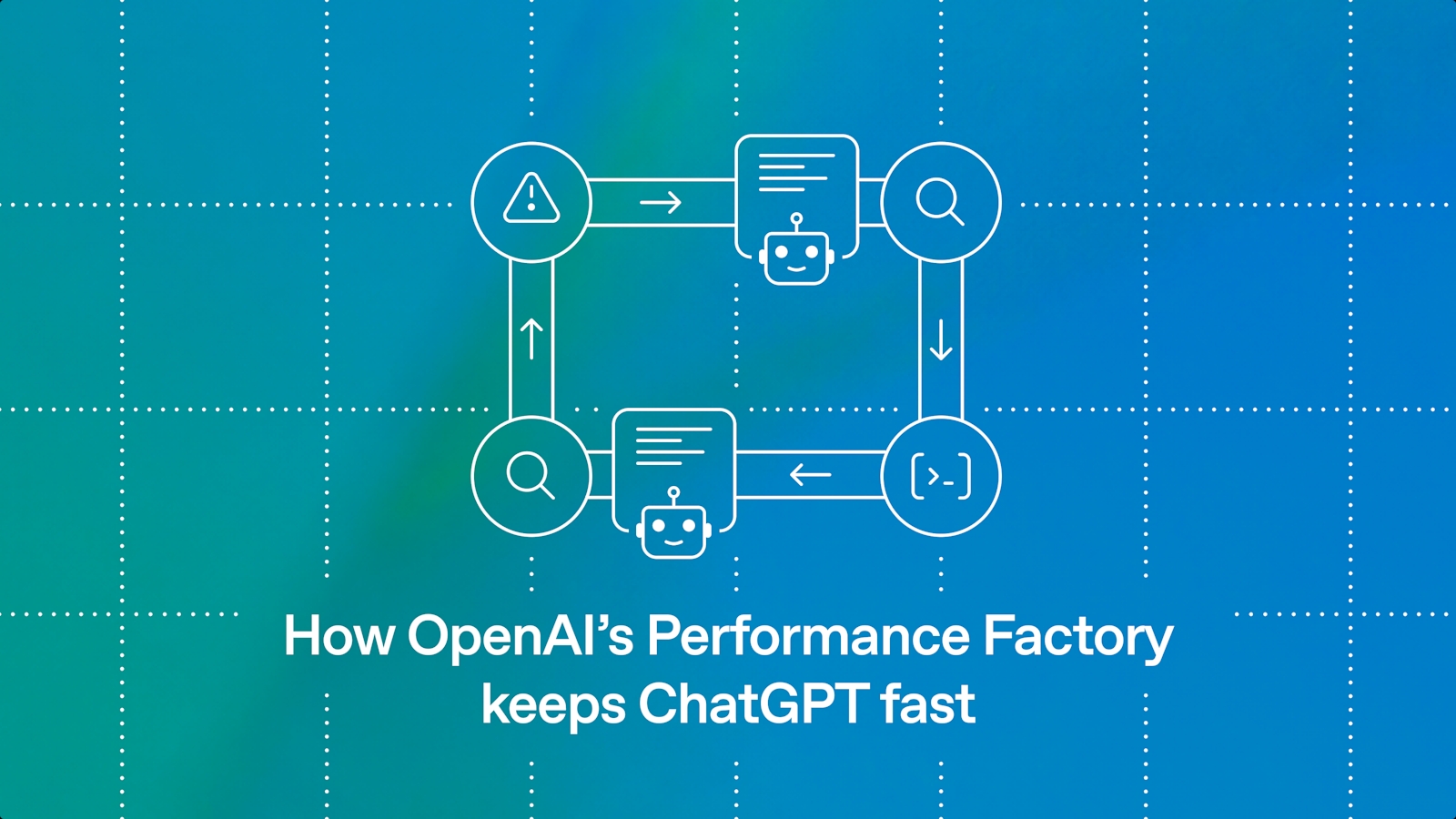
OpenAI built a Codex factory to keep ChatGPT fast
ChatGPT’s speed is now partly guarded by AI agents. OpenAI describes the Performance Factory, a cloud system of Codex agents that finds slowdowns in ChatGPT and helps fix them. Would you let an AI agent fix slow code on its own, or review every fix?
Related stories
- Replit says its agent swarm built Radar in 2 days for $3,000
- Cursor’s new coordinator agent writes no code itself
- Antigravity’s /swarm runs subagents over a message board
- Microsoft opens Bing’s search for AI agents
- Mistral’s Vibe coding agent comes to the desktop
- Cursor hosts and deploys apps its cloud agents build
Comments
No comments yet. Be the first.
Join the conversation
Sign in to leave a comment. It appears after moderation.