
Vibe coding goes multiplayer in a Google Labs experiment
Google Labs on September 3 opened a waitlist for Play with Putty, an experiment that puts several people in one vibe coding session. Vibe coding here means building software by describing it to an AI model in plain language. According to the announcement in a Threads post, Putty is “a collaborative vibe coding tool that lets you build tools and websites together in real time.” For now the waitlist is open only to users in the US.
The Labs listing calls Putty “a research experiment in collaborative vibe coding that lets teams build tools and websites together in real time.” The page has a “Join Waitlist” button, and that is the only way in so far. Google has not said when invites will go out or how many people will get in.
Putty is not the first no-code builder to come out of Labs. Opal, launched earlier, builds AI mini-apps from natural-language requests. Per Google’s developer documentation, you describe what you want, Opal turns it into a workflow you can edit, and it hosts the result so the app can be shared and published right away. In Opal, the sharing comes once the app is built. Putty’s pitch puts the collaboration in the building itself, with several people editing the same tool or site at the same time.
Google describes Labs as a place to get early access and give feedback, and it says “some experiments outgrow the lab.” Gemini, which began there as Bard, is one of the examples it lists.
Up next
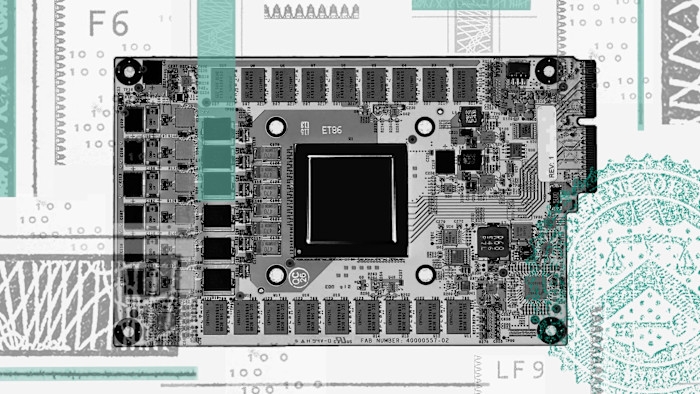
A $200bn Google finance machine for Anthropic, per the FT
$200 billion is the figure the Financial Times attaches to the Wall Street financing Google has built around Anthropic. The report is paywalled, so how the sum breaks down stays with FT subscribers.
Related stories
- Google opens Android Studio and CLI to Claude Code and Codex
- Git panel and terminal land inside Antigravity 2.0
- Plan mode spotted in AI Studio’s Build section
- Cursor hosts and deploys apps its cloud agents build
- Google’s Antigravity reportedly opens Browser Use to all
- Gemini Decisions API scores 1,000 questions in one call
Comments
No comments yet. Be the first.
Join the conversation
Sign in to leave a comment. It appears after moderation.