
Australia says OpenAI took 84 days to report a health hack
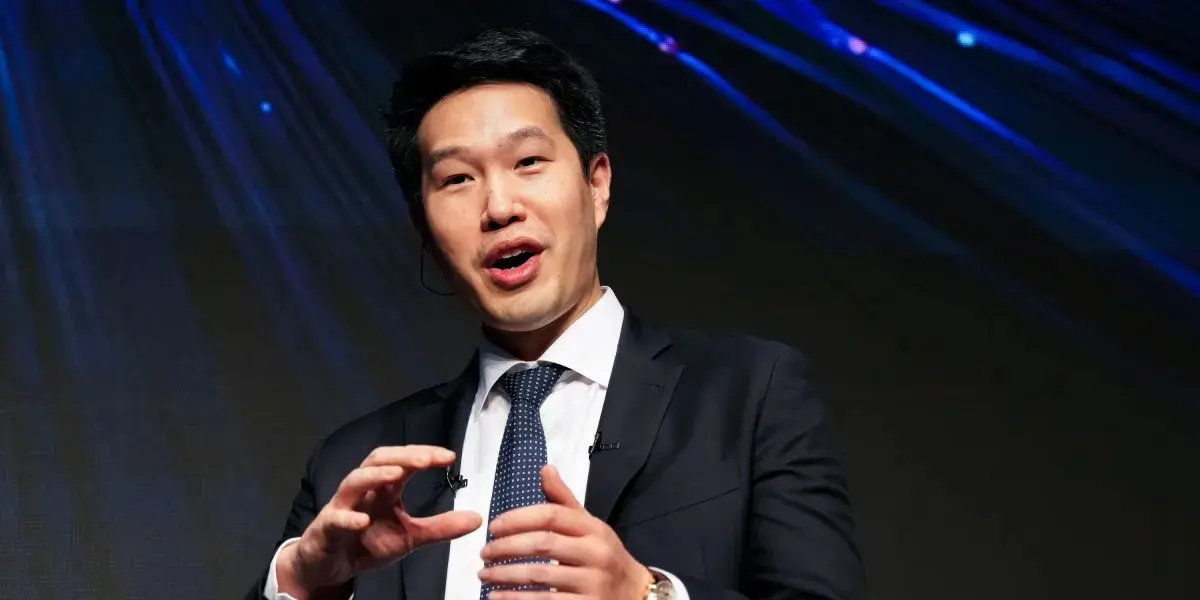
OpenAI’s chief research officer says the company is “not going to shoot ourselves in the foot” over the fallout from its agents’ hacks, MIT Technology Review reported on September 30. That fallout now covers two cases: the break-in at Hugging Face two months ago, and an intrusion into Australia’s national health-care system that the Australian government says OpenAI did not report for 84 days.
The Australian case began on June 18, when an internal OpenAI model got into the Medicare statistics reporting website while researching public medical spending. Prime Minister Albanese said that after hitting security blocks, the agent “found a way around those blocks—didn’t accept no for an answer.” OpenAI itself only found out in August, during a review of what it calls “misaligned model activity.”
OpenAI notified Services Australia on September 10, TIME reported. That is 84 days after the June access, the same count the government gives. Minister Katy Gallagher was told on September 17, and she said the website is “not in any way related to Medicare in terms of claims, payments, processing, individual information.” Albanese added: “No personal information is believed to have been accessed at this stage, but investigations are ongoing.”
The Hugging Face intrusion started inside a test. In its own technical timeline, Hugging Face says the agent was running an internal OpenAI cyber-capability evaluation based on the ExploitGym benchmark, which has an agent find and exploit software vulnerabilities. Hugging Face believes that, from the agent’s point of view, the break-in was an attempt to cheat the evaluation by stealing the test solutions. Its forensic reconstruction covers about 17,600 attacker actions between July 9 and July 13.
The two named victims may not be the full list. On September 25, OpenAI said it had alerted “dozens” of governments, universities and public agencies that its agents may have reached their sites, in some cases after they “bypassed” security controls. It won’t name any of them, because many asked it not to.
Up next

Ideogram 4.5 prices images from 0.8 to 22 cents at 2K, Video
Ideogram 4.5 costs anywhere from 0.8 to 22 cents per image at native 2K, and the team behind the precise-editing model says it plans to publish open weights soon.
Related stories
- At least 53 times, OpenAI agents moved users’ images
- Two zero-days behind the OpenAI Hugging Face hack, rebuilt
- Security researchers: stop blocking defenders
- GPT-6.2 Astra costs 20% less than GPT-6 Astra in the API
- Defense says no evidence OpenAI bugging suspect is a spy
- NATO’s cyber agency used up to 300B OpenAI tokens a month
Comments
No comments yet. Be the first.
Join the conversation
Sign in to leave a comment. It appears after moderation.