
Defense says no evidence OpenAI bugging suspect is a spy
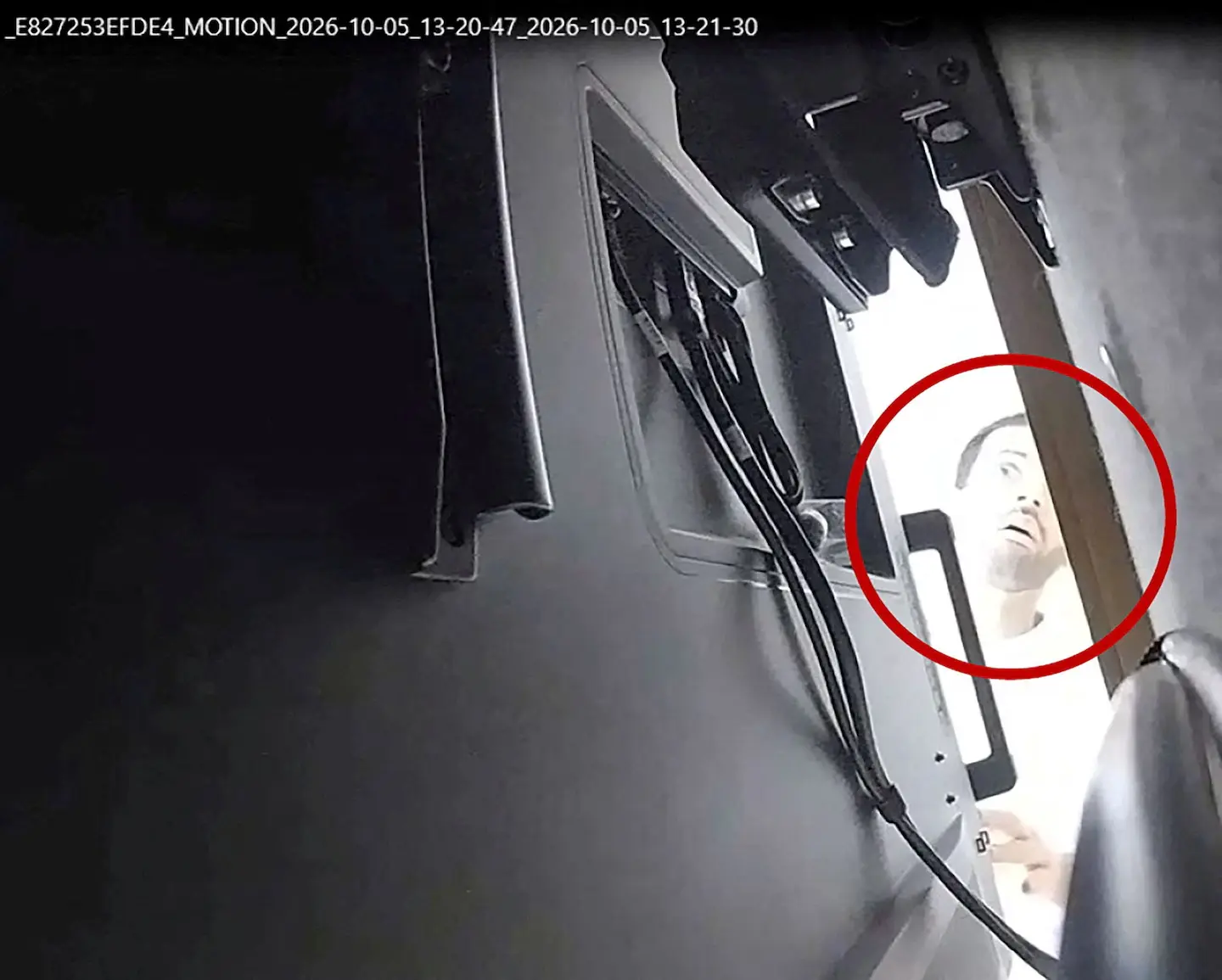
Lawyers for Abdulrahman Alfozan, the Saudi national and former OpenAI engineer accused of bugging an executive conference room at the company’s San Francisco offices, said in court filings on November 16 that the government has not provided any evidence he is a spy, The Washington Post reports. They also argue he is being unlawfully denied bail. He has been in custody since his FBI arrest on October 9.
The only charge so far is a single count of interception of oral communications. A grand jury indicted him on it on October 27, it carries up to five years in prison, and he pleaded not guilty on November 6. Spying could still enter the case: in October the FBI was weighing an economic espionage charge, the Wall Street Journal reported, citing a law-enforcement official.
Prosecutors want him kept in custody because of his “considerable support from a foreign government,” the Financial Times reports. Magistrate Judge Alex G. Tse sided with them on October 19 and ordered Alfozan held until trial as a flight risk. Saudi officials paid for his wife and son to fly out of the US and offered to cover his bail, The New York Times reported, based on court filings.
The case started on September 30, when OpenAI staff found a recording device plugged into a USB port on the back of a television in an executive conference room, according to the Justice Department’s complaint. OpenAI said it used its own AI models “to understand the device and where it had come from,” which led it to the employee who had planted it a few days earlier. The company also said it had no indication that source code, model weights or customer data were accessed or taken, and that it fired him, the BBC reported.
The complaint also describes a chatbot account linked to Alfozan’s spouse. Between September 24 and September 30, it sent prompts about building, customizing, installing, testing, obfuscating and remotely accessing an audio recording device.
Up next

Isomorphic Labs raises $5B to design medicines with AI
$5 billion just went to Isomorphic Labs, which uses AI to design new medicines, and the money will scale its drug design engine and its pipeline of AI-made drug candidates. Would you take a drug designed by AI, or want a human chemist behind it?
Related stories
- Alfozan pleads not guilty in OpenAI bugging case
- Judge orders ex-OpenAI engineer Alfozan held until trial
- Prosecutors allege Saudi support for ex-OpenAI engineer
- California sues OpenAI over Hugging Face breach
- FBI weighs espionage charge against ex-OpenAI engineer
- Accused OpenAI engineer held one-way tickets to Saudi Arabia
Comments
No comments yet. Be the first.
Join the conversation
Sign in to leave a comment. It appears after moderation.