
OpenAI’s price tag jumps from $852B to over $1.2T in talks
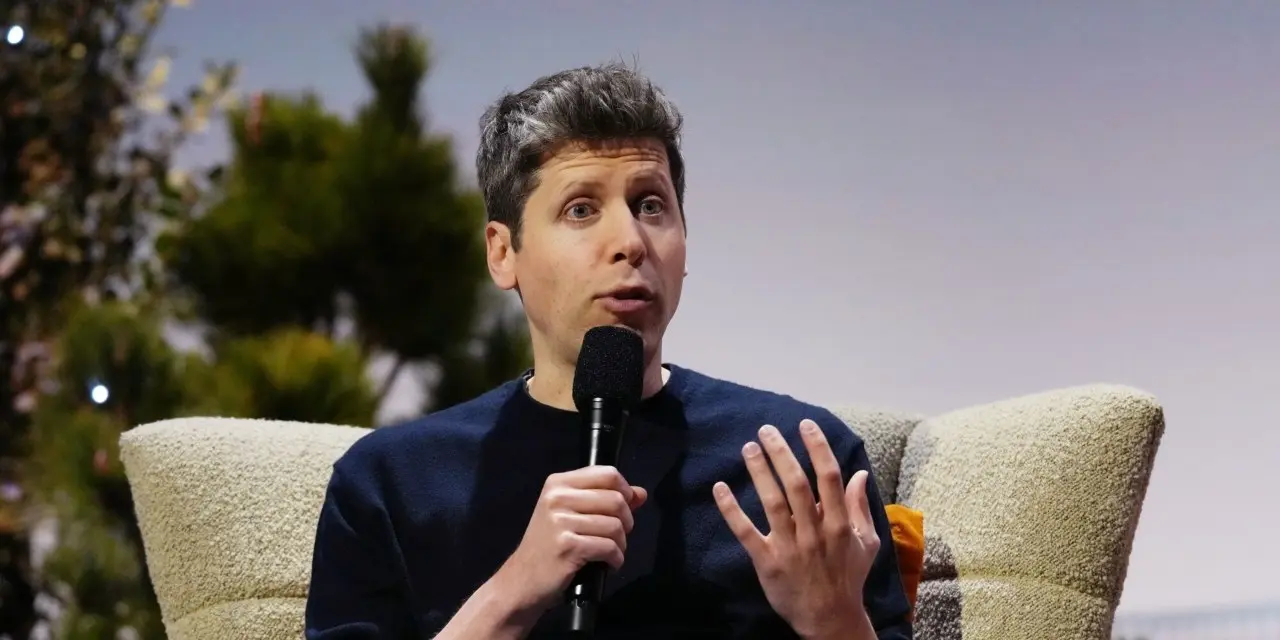
OpenAI has held early talks with investors about a new round that could value it at more than $1.2 trillion, The Wall Street Journal reported on September 16, citing a person familiar with the matter. If the round goes ahead, it would come before the IPO, which is now expected next year. The size of the raise and the investors in the talks have not been disclosed.
The last agreed price was $852 billion. OpenAI reached that figure after closing a $122 billion financing on March 31. Amazon, Nvidia and SoftBank anchored that round, and Andreessen Horowitz, D. E. Shaw, MGX, TPG and T. Rowe Price co-led it. A private valuation is a negotiated share price multiplied by the shares outstanding, with no market trading behind it.
The valuation was already climbing fast before this. In October 2024 OpenAI raised $6.6 billion at a $157 billion valuation, and in March 2025 a SoftBank-led round put it at $300 billion post-money.
The Journal says the talks follow the release of OpenAI’s latest cutting-edge model.
Investors will also have the 2025 books in front of them. Quartz, citing financial documents, put OpenAI’s 2025 loss at $38.5 billion, against revenue of only $13.07 billion for the year. Operations account for $20.92 billion of that loss. The rest comes from fair value changes tied to the company’s conversion from a nonprofit into a for-profit entity. Those books cover the year before this year’s growth.
OpenAI confidentially filed for an IPO on June 8. On September 11, Sam Altman told Fortune that listing now would be “ill-advised,” and on 2026 he said ”I would say not 2026.” He listed safety, alignment and cooperation between industry and governments as what has to come first.
CFO Sarah Friar had already named the year to staff. At an all-hands meeting on August 19, she said OpenAI “will be a public company in 2027,” CNBC reported, and could list earlier if “our business continues to inflect.”
Up next
Claude’s cipher project writes off the gold bar codes
Twenty-one of the twenty-six letters appear exactly ten times across the 263 stamped on seven Chinese gold bars. A cipher project run with Claude calls that flatter than randomness permits: no cipher does that.
Related stories
Comments
No comments yet. Be the first.
Join the conversation
Sign in to leave a comment. It appears after moderation.