
OpenAI ‘will be a public company in 2027’ or sooner, CFO Friar tells employees
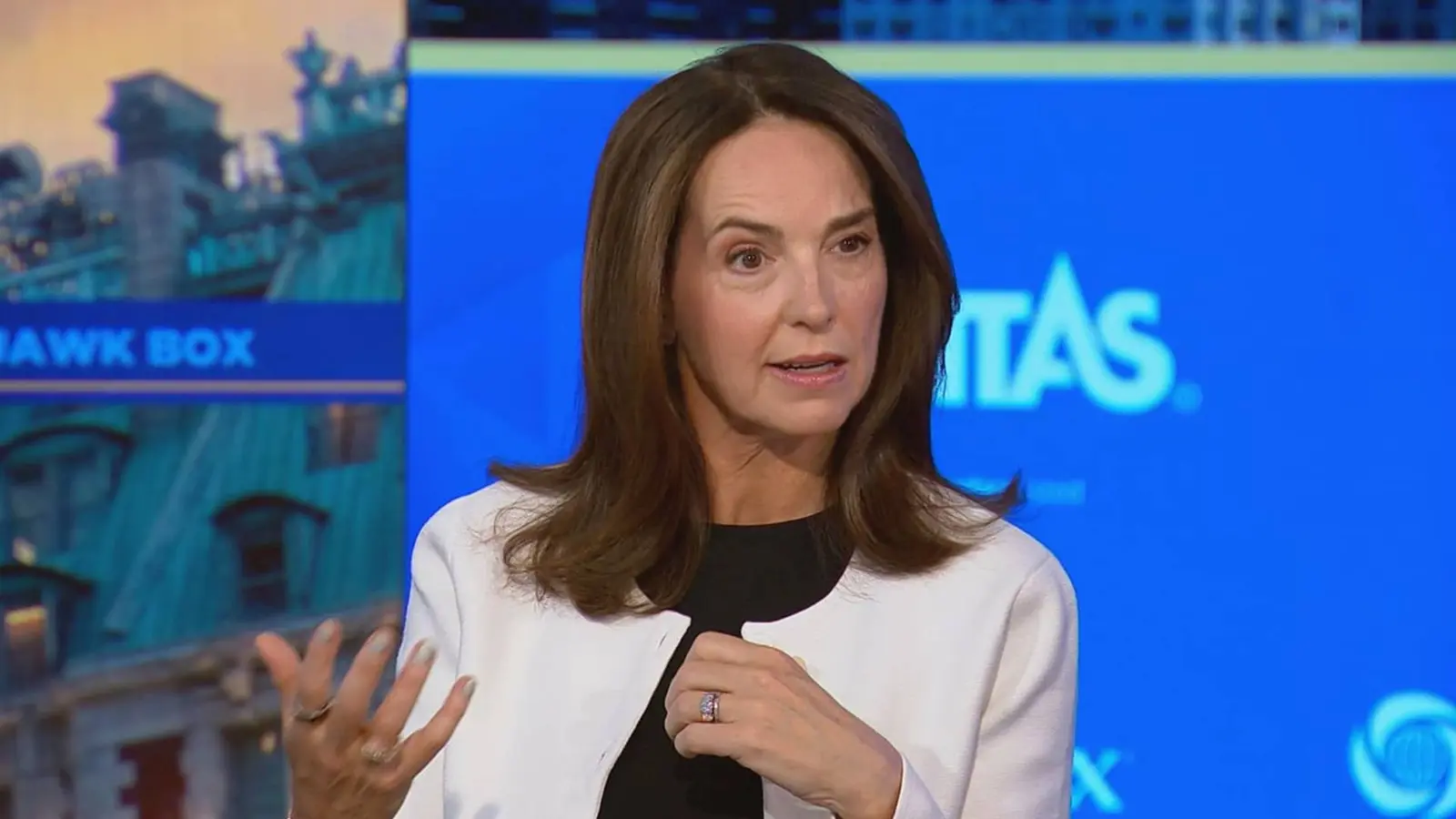
OpenAI CFO Sarah Friar told employees at an all-hands meeting on August 19 that the company “will be a public company in 2027,” and that the listing could come sooner if “our business continues to inflect.” CNBC reported her comments, citing two people familiar with them who were not authorized to speak publicly.
Friar described the listing as one more funding event. “The IPO is not a finish line, it is a milestone, another fundraise,” she said. “We raised $122 billion in March, and that gives us flexibility.”
The 2027 date is not new. In June, Bloomberg reported that OpenAI’s leadership had pushed the listing to 2027 after originally targeting an autumn debut, and expected Anthropic to go public first. OpenAI confidentially filed its S-1 on June 8, about a week after Anthropic filed its own on June 1. At the time, OpenAI said “the timing for an IPO has not yet been decided.”
A confidential filing lets a company work through disclosure issues with SEC examiners without showing its financials to competitors, and leaves room to adjust the timing. The public S-1 comes later, before the roadshow where the company pitches investors. Friar told staff not to worry if Anthropic gets there first:
As you know we are confidentially under file, and Anthropic is also under file. There is a chance they pull the cover off that confidential file in the coming weeks and become public in September. That’s OK, we are running our own race.
Friar’s slides gave staff three numbers. OpenAI’s revenue run rate is up 35% quarter to date. The enterprise revenue run rate is up 50% over the same stretch. And the company’s AI coding and work product has reached 20 million weekly active users.
The Wall Street Journal reported late on Wednesday that OpenAI told investors it generated $6.7 billion in revenue in the second quarter, up 18% from the first. Per CNBC, OpenAI’s annualized run rate recently topped $40 billion, while Anthropic told investors its own run rate hit $65 billion at the end of July, a sevenfold increase from a year earlier. Anthropic also shared a preliminary second-quarter revenue figure of $11.5 billion, roughly 70% more than OpenAI’s for the same three months, so the race Friar called OpenAI’s own is, on revenue, one it currently trails.
That gap sits under the valuation. OpenAI is under pressure to justify its $852 billion price tag before it lists, CNBC notes, and investors want a more detailed look at its finances.
The meeting also followed a run of executive departures, which some of OpenAI’s financial backers worry could mean disorder at the top. Revenue chief Denise Dresser left her role earlier in August, after just eight months at the company. Two days before she went, Brad Lightcap said he was ending an eight-year stint at OpenAI to “start something new.” In July, Fidji Simo stepped down as head of the product business to focus on recovering from a chronic illness. Friar, CEO Sam Altman and President Greg Brockman are now the ones expected to project stability, while investors are also uneasy about competition, the growing use of cheaper open-weight models, and SpaceX’s volatile share price in its first two months as a public company.
Brockman, in an interview with CNBC on August 17, said he doesn’t think the turnover is “actually that atypical.” “I actually think that the difference between OpenAI and other organizations is that we are so much in the spotlight, so every departure gets scrutinized in a way that it doesn’t otherwise,” he said.
Up next
Two approvals per feature: Pragma’s Claude Code iOS pipeline
An iOS engineer types /spec, approves it, approves the plan, and Claude Code runs the rest through commands and CI gates. Pragma’s author shipped FinanceTracker that way, 94 merged PRs from the first commit.
Related stories
Comments
No comments yet. Be the first.
Join the conversation
Sign in to leave a comment. It appears after moderation.