
Indirect channels now carry 40% of Anthropic’s ARR
SemiAnalysis estimates that more than 40% of Anthropic’s annual recurring revenue came through cloud resellers in the second quarter of 2026. The firm made the estimate in an August 18 SemiAnalysis thread on X promoting its August Tokenomics Model update. It names the indirect channels as Amazon Bedrock, Microsoft Foundry and Gemini Agent Enterprise, and says the shift in mix matters because indirect revenue isn’t monetized the same way as direct revenue.
The analysts also say that across the labs, API and B2B accounted for the vast majority of net new ARR dollars in the quarter.
SemiAnalysis lays out how these deals work. Depending on the contract, the hyperscaler charges an IaaS fee for the infrastructure, takes a revenue share, or both. Anthropic stays the seller of record and books the full gross ARR. So the same token spend can show up as different revenue and margin figures at Anthropic and at the cloud provider. The hyperscaler earns more on this “Token as a Service” business than on plain IaaS, which works in its favour. Anthropic books the extra cut as a Sales & Marketing cost, and SemiAnalysis says that ultimately hurts the lab’s EBIT margins. The 40% figure therefore says only so much about what Anthropic actually keeps from each dollar.
Foundry shows what the customer side looks like. Per the Microsoft Azure Blog, enterprises use Claude through their existing Azure accounts, with the authentication, billing, networking, governance and data controls they already have. Usage is billed in Claude Consumption Units, one consolidated line on the Azure bill, and draws down the customer’s existing Azure spending commitment. Inference runs in Azure, but Anthropic operates it and acts as the data processor and SLA provider. Microsoft argues that most enterprise AI projects stall because of procurement, governance, networking and data, not model quality.
That is the trade SemiAnalysis describes from Anthropic’s side. Anthropic doesn’t have to pay for a costly direct enterprise sales force to win this revenue, and it gets the hyperscalers’ distribution advantage through their large cloud contracts with Global 2000 companies. Bedrock gives a sense of the scale: in May, SemiAnalysis put Bedrock’s annual revenue at $5.5 billion, with 80-90% of clients choosing Anthropic’s models.
The same split applies to compute, the firm says. Indirect workloads run on the hyperscalers’ megawatts but serve Anthropic’s models, so working out how capacity is allocated between lab and cloud takes deal-by-deal detail to get right.
Up next
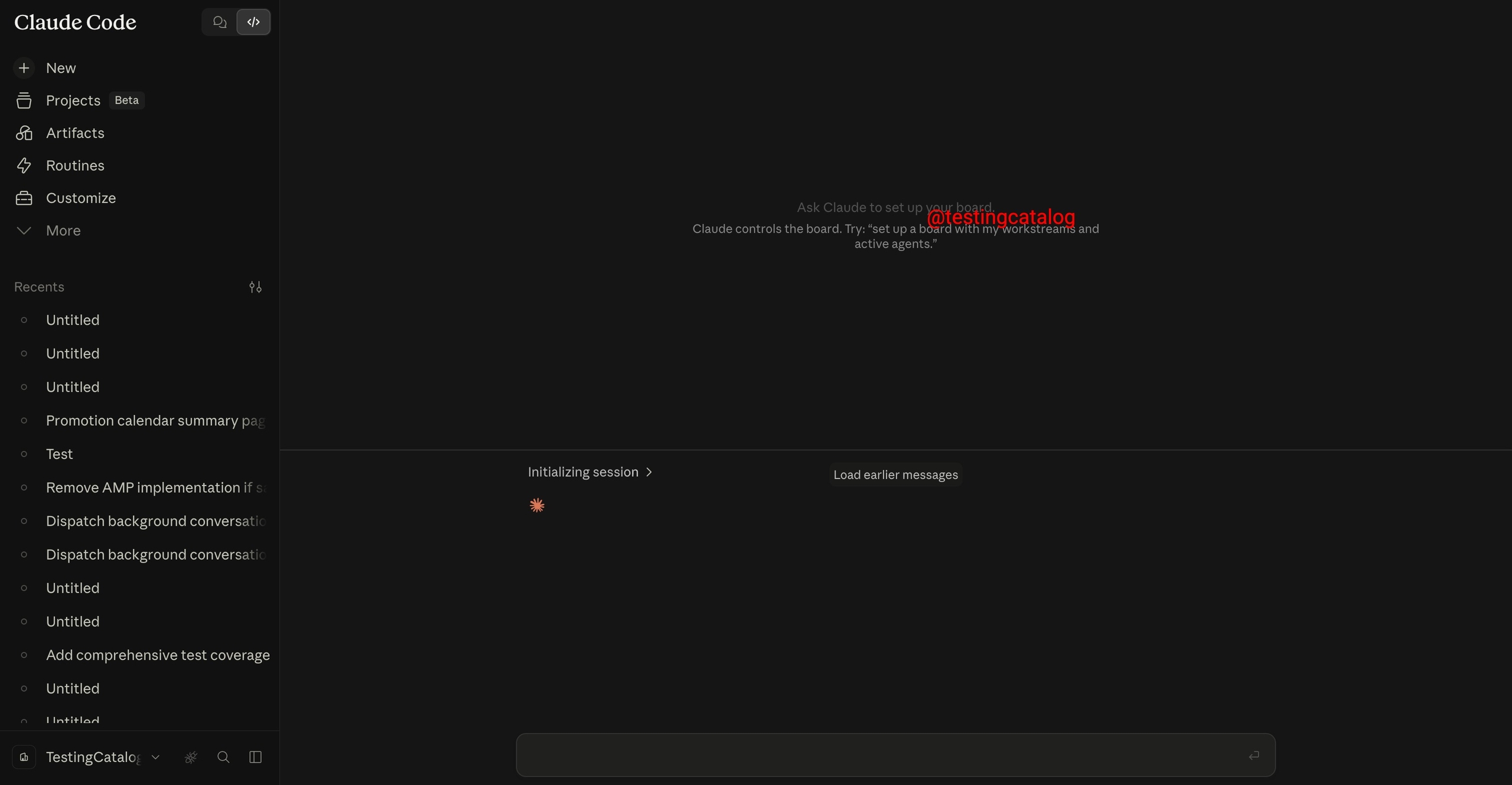
Claude Code hides a /hub path for sub-agent boards
A /hub path surfaced in Claude Code carrying Claude-managed task boards for sub-agents, TestingCatalog reports, with one sample prompt: “Set up a board with my workstreams and active agents.”
Related stories
- Anthropic trains AI engineers like medical residents
- Ozempic maker adds Claude next to OpenAI’s Rosalind
- Claude Marketplace adds CrowdStrike, Cursor and Vercel
- Anthropic’s IPO math leans on a $190B to $200B revenue forecast for 2028
- An Amazon AI project blew through its budget by 860%
- Anthropic and TCS announce global partnership
Comments
No comments yet. Be the first.
Join the conversation
Sign in to leave a comment. It appears after moderation.