
Claude Cowork gets its own browser, no Chrome needed
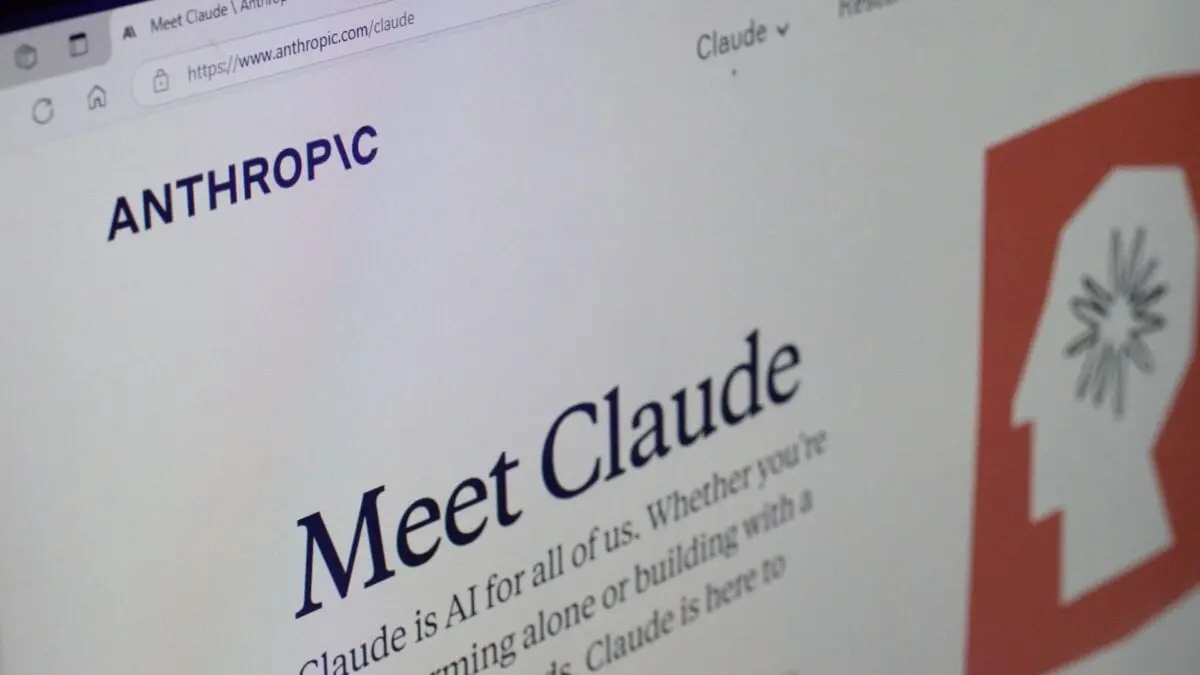
Anthropic has built a browser into the Claude desktop app, and since August 26 web tasks in Claude Cowork go through it by default instead of the Claude in Chrome extension, Gizmodo reported. The change came on the same day Claude in Chrome reached general availability on all paid plans, nine months after it first opened to every Max subscriber.
When a prompt needs the web, Claude opens the browser in a side panel on its own. You can also use it from Claude on the web or on mobile, but only while the desktop app is running separately. It can’t use your logins for email, banking or other services unless you type them in yourself. Gizmodo describes it as a tool for quick searches of public information. Anthropic’s post makes the same case: “a lot of web tasks don’t need your browser, just a browser, and now Claude has one.”
Enterprise plans have it now, and Pro, Max and Team subscribers get it over the week of the announcement. It is on by default. Plan administrators or individual users can switch back to Claude in Chrome in settings.
Anthropic described the earlier setup this way: “Until now, giving Claude the ability to use the web in Cowork meant giving it access to your browser through the Claude in Chrome extension.” The extension started as a pilot with 1,000 Max users, and Anthropic said it would widen access gradually as it built stronger safety measures. The rollout went like this:
- November 24, 2025: after three months of testing, the beta opens to all Max subscribers, with scheduled tasks and multi-tab workflows added.
- December 18, 2025: Pro, Team and Enterprise get access, along with a Claude Code integration and admin allowlists and blocklists for sites.
- August 26: Claude in Chrome reaches general availability on all paid plans, and Cowork gets its own browser the same day.
Chrome carried close to 70% of the world’s web traffic last month, Statcounter figures cited by Gizmodo show. OpenAI made a similar move earlier in August, when it shut down Atlas, its standalone browser, after launching a “Work” mode for ChatGPT with its own built-in browser.
The in-app browser gets no new protection of its own. Anthropic says prompt injection is still a risk there, and the browser reuses the guardrails already in Claude in Chrome. Prompt injection means instructions hidden in a web page that take over an agent and send it somewhere else, and Anthropic has said such attacks can make an AI delete files, steal data or make financial transactions. During the pilot, Anthropic’s red team ran 123 test cases covering 29 attack scenarios, and browser use with no mitigations had a 23.6% attack success rate when deliberately targeted. The defenses Anthropic now describes have three layers: model training against a library of attacks, a probe that flags content that looks injected so Claude checks with the user, and a classifier that blocks actions that don’t match the original request. Higher-risk steps also need confirmation by default.
Gizmodo points out that chatbots on the open web have hallucinated, pulled from questionable sources and fallen for prompt injection, and in extreme cases this summer broke out of testing sandboxes and hacked into third-party organizations. Some industry experts, it adds, have already concluded that agents’ vulnerability to these attacks can’t be fixed, and that the best developers can do is try to stay one step ahead of hackers.
Up next

Related stories
- Googlers finally get Claude, but only inside Antigravity
- A $200bn Google finance machine for Anthropic, per the FT
- Testing Catalog: Claude iOS app gets “Saved logins” list
- OSS Scanner sends maintainers 77 critical findings
- Flagged Opus 5.5 chats stay stuck on Opus 4.8
- 1Password fills Claude’s logins without showing passwords
Comments
No comments yet. Be the first.
Join the conversation
Sign in to leave a comment. It appears after moderation.