
Anthropic bought a biotech with one full-time employee
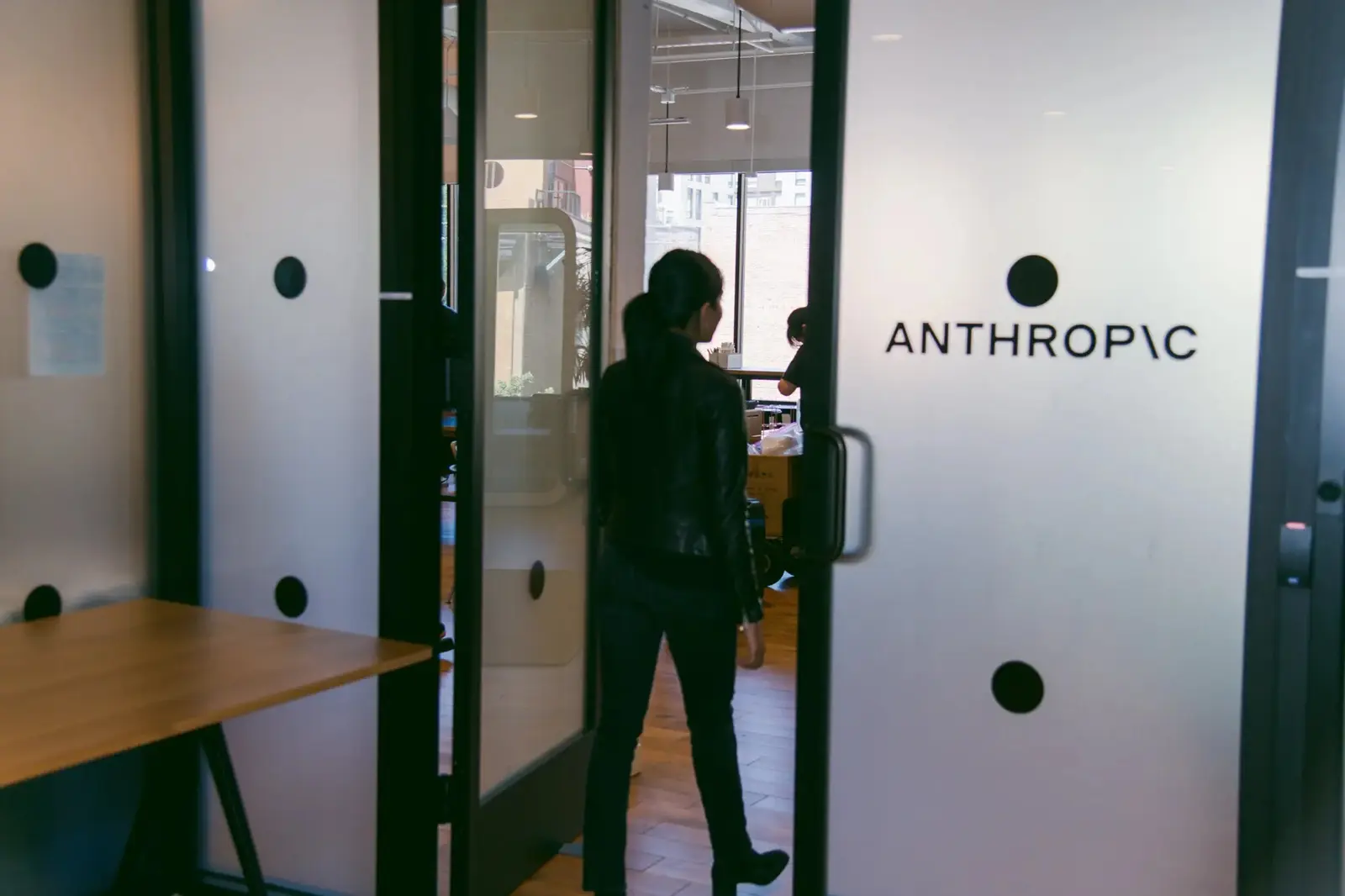
Anthropic’s first in-house drug programs came from Mithril Medicine, a Cambridge, Massachusetts biotech with one full-time employee, but Nature reported on November 15 that the work behind them involved many more people: Mithril hired part-time consultants and paid at least five contract research organizations to run its experiments. The one-person label describes the payroll. Its two antibodies, designed for a rare form of muscular dystrophy, are still early in development.
Anthropic disclosed on October 27 that it had bought Mithril in July. Mithril’s programs, which target two rare muscular dystrophies, became Anthropic’s first internal drug-development programs. Cody Tranbarger, Mithril’s former chief executive and only employee, has worked for Anthropic since the deal.
Who did the lab work
Mithril ran as a virtual biotech. Its team designed and oversaw the experiments, and contract labs produced the antibodies, measured binding, ran cell-based assays and did the mouse studies. Mithril relied on AI more heavily than most small biotechs do: Claude helped analyse data and suggest next steps, and it handled the email and paperwork that comes with juggling several contract research organizations, Nature says. Tranbarger described the setup on LinkedIn: “What began as an exercise in staying lean evolved into the thesis for an entirely new operating model, which we now call Pipeline-in-a-Person.”
“It takes a village to develop a drug,” says Jeb Keiper, a partner at Third Rock Ventures in Boston. Many human scientists developed the two molecules, and taking them further will need many more, especially if they reach clinical trials.
How early the mouse data are
Mithril’s first results are for LAMA2-related congenital muscular dystrophy. It built bispecific antibodies, which bind two targets at once and bridge them. Anthropic says the program got from idea to proof of principle in mice in under 18 months. According to R&D World, the technical report is still awaiting peer review and the mouse result rests on small, staggered groups. At roughly six weeks of age, seven mice given one antibody format had about twice the grip strength and peak triceps force of four control mice. The mice were assigned by litter without randomization, and the antibody group was tested 126 to 161 days after the controls, with a colony relocation in between. The report itself calls for a concurrent, blinded replication.
The report also documents Claude’s mistakes. In the week the report singles out as its best, Claude summarized a 341-page production report on 113 antibody constructs in under eight minutes. When a team member overruled its recommendation, it revised the plan to cover 89 constructs within four minutes. The team examined six errors Claude made, and at least three of them reached outside labs in emails.
Lean before AI
Tiny biotechs existed long before chatbots. Matt Davidson started his first biotech company in 2013 and kept it to two full-time employees until its drug was ready for late-stage clinical testing. The company never had a lab of its own and contracted out all its lab work. His current company, Azora Therapeutics in Los Angeles, has five employees. Davidson uses AI more to summarize reports than to make scientific discoveries, and he credits the tools with making small biotechs more efficient: “We use consultants a little bit less than we used to.”
James Zou, a Stanford computer scientist who works on biomedical applications of AI, expects more companies like Mithril. “We will see more and more of these small teams that are enabled by AI,” he says. “They will be very powerful for identifying good opportunities and moving quickly.”
Anthropic says that if the candidates hold up, a drug from these programs could be ready to start human trials as early as late 2028.
Up next
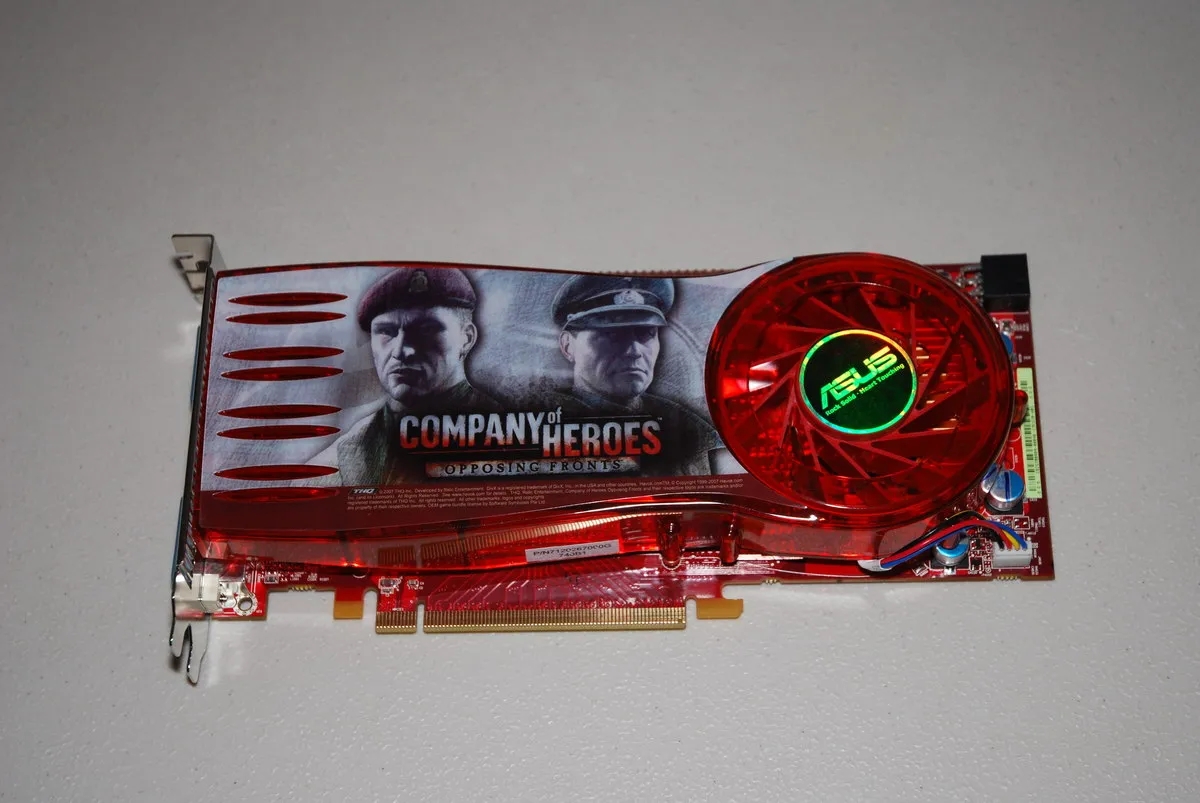
Codex helped fix a 2007 Radeon video bug for Linux 7.5
Garbled video on a 2007 iMac got traced with OpenAI’s Codex to how the radeon driver feeds its decoder, and the fix is now queued for Linux 7.5. Has an AI assistant ever helped you fix a bug in code you’d never read before?
Related stories
- Isomorphic Labs raises $5B to design medicines with AI
- Claude’s scorpion binders are far from a drug, experts say
- Wet lab tested 1,320 Claude protein designs blind
- Anthropic’s IPO filing says a key safety threshold is met
- Anthropic buys Mithril, a one-person biotech run on Claude
- Junior technical hires at Anthropic fell from 27% to 9%
Comments
No comments yet. Be the first.
Join the conversation
Sign in to leave a comment. It appears after moderation.