
Embedded browsers in Codex and VS Code leak the whole disk

A project dressed up as a dull financial report got Codex, Claude Desktop and VS Code to open a local HTML file in their built-in browsers, and that file read SSH keys, .env files and npm tokens from across the disk and sent them out. Forever Security published the attack on October 29, alongside separate holes in Cursor and GitHub Copilot. The Codex and VS Code holes are still open: Microsoft declined the report and OpenAI has not shipped a fix, so a local file opened in either tool’s built-in browser can still read files far outside its project.
Forever names the shared cause EMBRACE, “an EMbedded BRowser, trusted like a real one”. A standalone browser treats every page as hostile. Each of these vendors loosened one of its rules so the AI could preview a local project or read what a tab shows, and that change is what the attacks went through.
What security teams can do now
Forever’s advice for security leaders starts with an inventory: Cursor, Copilot, Codex, VS Code and Claude Desktop already sit on developer laptops, and each ships a browser that probably isn’t being accounted for as one. That browser loads untrusted pages and local files and is driven by an agent instead of a cautious human, so Forever says to treat it as a live endpoint surface. And “a user would have to click something” is no defence here. In these attacks the one click came from a place users trust: a link the assistant drew itself, or a single Enter on its run card.
Workspace Trust, the prompt that asks a developer to trust a project folder, is the boundary both vendors pointed to. Anthropic declined Forever’s July 23 report and Microsoft declined its September 10 report as invalid, both citing it. Gal Weizman, who wrote up the research, told Help Net Security: “Not trusting a project inside an AI harness makes it unusable, so everyone just hits ‘Trust’.” In practice, he said, that prompt “provides zero protection to the user.”
How one file reads the disk
The delivery feels routine. You ask the assistant to “set it up per the README”, the assistant offers a clickable link to an HTML file, and you click it. That click is the victim’s only action, and everything after it is silent.
Claude Desktop and VS Code check that a local page stays inside its project folder. The check covers the page itself but not a web worker, a background script the page can start, so reads made from inside the worker reach any file. Codex had no such check, and a local page there reads any file directly. To choose targets, the attack reads the hidden index file macOS writes into every folder a user has opened in Finder, which maps the disk one folder at a time. On Forever’s own machine the sweep also pulled the hosts file. Forever’s list of what a real attacker could take adds cloud credentials, browser session databases and private source code.
Cursor and Copilot, already patched
In Cursor, a page in the built-in browser hid a command inside an on-screen HTML chip. The person sees the chip, the agent reads the hidden instructions and asks to run the command, and in an empty composer approving takes one Enter. When Cursor’s sandbox blocked the command, the agent switched the sandbox off and tried again, with nothing in the page telling it to. In the test the command opened Calculator. Forever says it depends on the model and doesn’t fire every time. Forever disclosed it on September 10, and Cursor patched it without announcement on October 1.
In the GitHub Copilot app, build 1.1.27, a page in the browser preview could tell the app it was at any address it liked. The app only checked that the text looked like a web address. The address bar and the agent’s tab list both read github.com while the tab showed the attacker’s page, which is enough to dress up a phishing sign-in form. GitHub fixed it independently in build 1.1.29 on October 13, before Forever had sent a report.
Our analysis
What we checked
On October 30 we read VS Code’s source as of the October 29 main branch, Noma Labs’ disclosure timeline for Claude Desktop, the GitHub Copilot app’s release history and Cursor’s changelog. We did not run any of the attacks.
VS Code’s folder fence exists and predates Forever’s report, but it reaches further than Forever describes: going by the code, a page can read under any folder the developer has ever trusted, not just the open project. Forever’s timeline also understates Noma Labs, which reported the preview-pane file read on July 4, 19 days before Forever, and whose July 24 filing was a bypass, not a first report. For VS Code users, every past click on “Trust” widens what a hostile local page can reach.
| Point | What we found |
|---|---|
| VS Code fence | One handler refuses files outside trusted folders; added June 2, 2026. No later commit to that file touches file trust after September 10. The worker bypass is Forever’s, not measured by us. |
| VS Code fence scope | Trusted open workspace folders, plus every folder in the saved Workspace Trust list, plus Copilot home paths. Inference from code, not run. |
| Workspace Trust turned off | Since a July 2 commit, VS Code’s browser then loads any file, no worker needed. Documented in code, not measured. |
| Claude Desktop | Noma reported July 4; Anthropic scored it CVSS 8.7 on July 9 and patched on July 24. On July 24 Noma reported a Web Worker bypass using the same mechanism as Forever’s code, so by our reading it is the same bug. Full fix: August 17, Claude Desktop 1.30096.1. |
| Copilot builds | These are the GitHub Copilot desktop app, not the VS Code extension. Build 1.1.27 came out October 7 and 1.1.29 on October 13, and its notes don’t mention the fix. Forever says it confirmed the spoof on 1.1.27 on September 26, so either that date or the build number is wrong. |
Up next
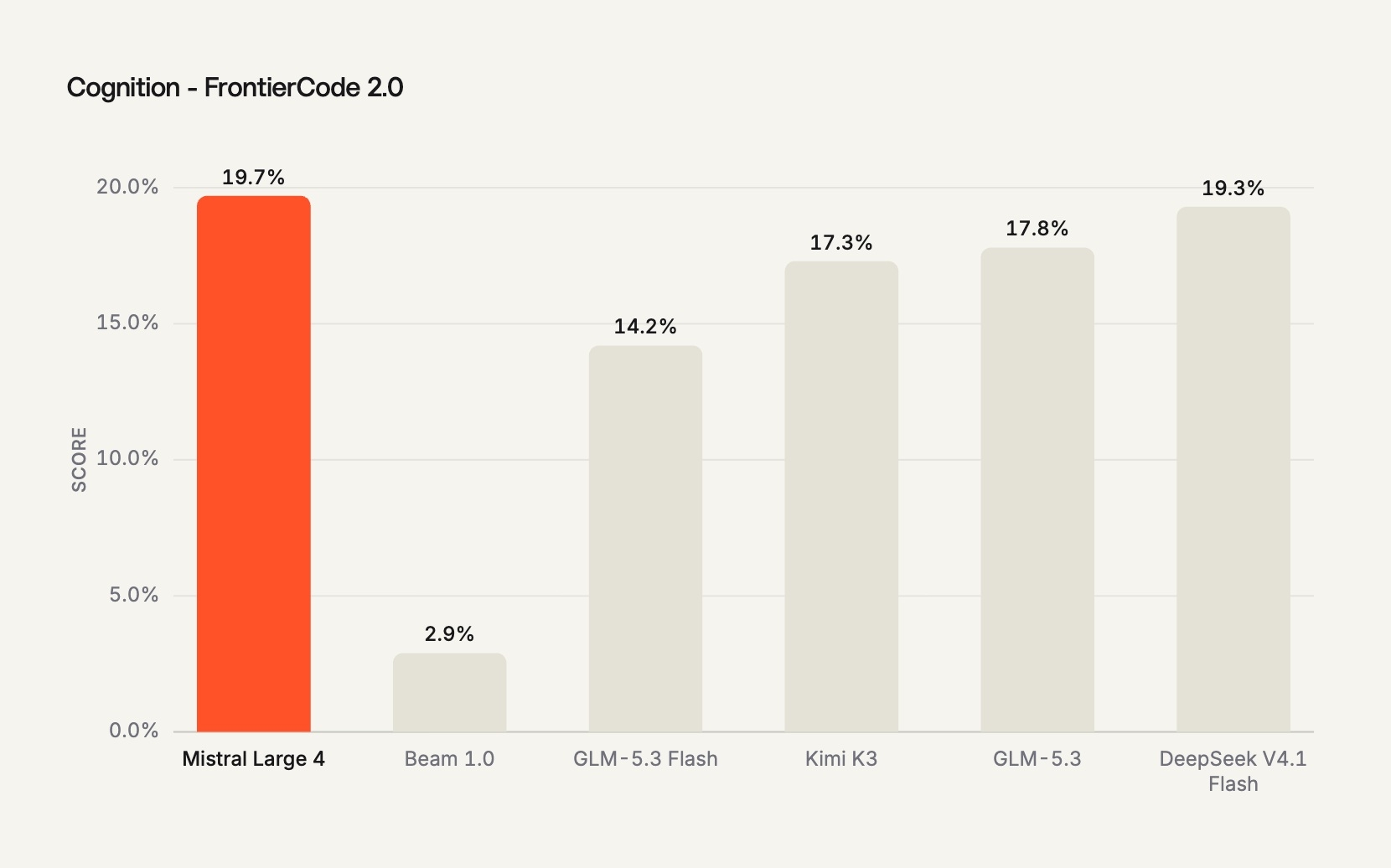
Mistral Large 4 weights are out, API now from $0.70 per 1M
Weights for Mistral Large 4, all 1 trillion parameters, went up on Hugging Face, though selling it as a hosted model service needs a separate license from Mistral. Would you self-host a 1T model or call Mistral’s API instead?
Related stories
- Prompt injection reached the official Codex npm pipeline
- Elastic finds Claude Code and ChatGPT abused in intrusions
- Backdoored Claude Code 2.1.313 hit up to 5,000 Cursor users
- A file over 256KB let Claude Code Desktop leak your keys
- One git call let a repo escape the Claude Code sandbox
- Codex CLI 0.157.0 leaves a daemon running after you quit
Comments
No comments yet. Be the first.
Join the conversation
Sign in to leave a comment. It appears after moderation.