
Accused OpenAI engineer held one-way tickets to Saudi Arabia
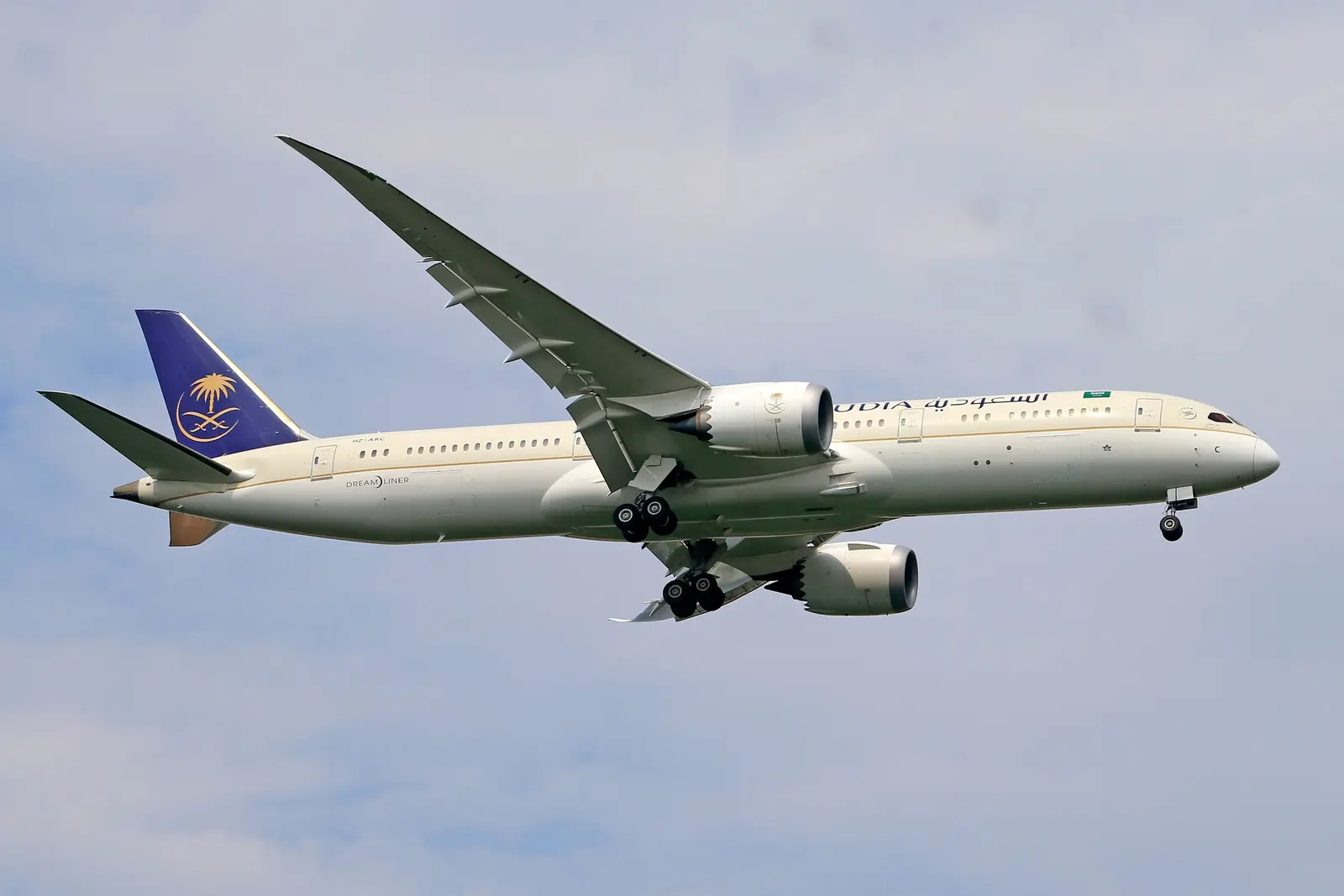
Federal prosecutors asked a court on October 8 to keep the charges against OpenAI engineer Abdulrahman Alfozan secret until he was arrested, because he, his wife and a third family member had booked one-way tickets to Saudi Arabia. The filings were made public this week and first reported by Bloomberg. The three were due to fly from San Francisco via Istanbul on October 12, and the FBI arrested Alfozan, 35, on October 9, three days before the flight.
Making the charging documents public “might jeopardize the defendant’s arrest,” Assistant U.S. Attorney Nicholas Parker wrote in the motion. He added that Alfozan, a Saudi national, “has the means — and will have an incentive — to flee the United States sooner if he learns about this case before he is arrested.” How prosecutors learned of the bookings is unclear.
U.S. Magistrate Judge Alex G. Tse granted the request the same day. His order sealed the complaint, the arrest warrant and related documents, and it let prosecutors share them with the FBI and with other law enforcement and intelligence agencies for investigative purposes. The seal lifted soon after the arrest. On Monday, the day of the planned flight, prosecutors asked to unseal the complaint because Alfozan was in custody, and Tse ordered it unsealed a day later.
Here is what the complaint says happened before prosecutors went to court:
- September 24–30: a chatbot account tied to Alfozan’s spouse, sharing identifiers with his own account, sent prompts about building a continuous audio recorder and encrypting its storage.
- September 28: the recorder was allegedly plugged into a TV in an executive conference room that he was not authorized to enter.
- September 30: an OpenAI security sweep found the device wrapped in toilet paper, with its contents encrypted. OpenAI says it used one of its own models to work out where the device came from.
- October 5, or about then: a second, similar recorder turned up in a bag he had left unattended, along with his wallet and ID. Footage from the same day allegedly shows him entering the room and looking behind the TV.
OpenAI said it had “no indications of this individual inappropriately accessing or exfiltrating model weights, source code, or customer data,” and that it fired him.
At his first court appearance on October 13, Tse ordered Alfozan held in custody, set a detention hearing for Monday, October 19, and granted the prosecutors’ request to unseal the whole case. Defense attorney William Pernik signed an agreement that pauses the Speedy Trial Act clock until that hearing, citing the need to prepare. Prosecutors named OpenAI OpCo LLC, a subsidiary of OpenAI Global LLC, as the victim. The filing lists Microsoft as holding a financial interest of 10% or more in the parent company.
Alfozan is charged with using or trying to use a device to intercept oral communications, which carries a maximum sentence of five years in prison. A complaint only alleges that crimes were committed, and he is presumed innocent. The government’s claims in the motion to seal have not been tested in court.
Pernik said on Wednesday that the allegations “appear wholly out of character” for a man who “came to this country years ago as a young person with a dream.” He also said: “Where someone was born is not evidence of anything.”
Up next
METR’s team inside Anthropic can publish without a veto
Six METR evaluators now work inside Anthropic with access close to its own risk teams’, and Anthropic says it can’t veto what they publish about its risks. If you ran an AI lab, would you let outside evaluators publish freely or keep a veto?
Related stories
Comments
No comments yet. Be the first.
Join the conversation
Sign in to leave a comment. It appears after moderation.