
Instant Cloud shuts down in 2027 as team joins OpenAI
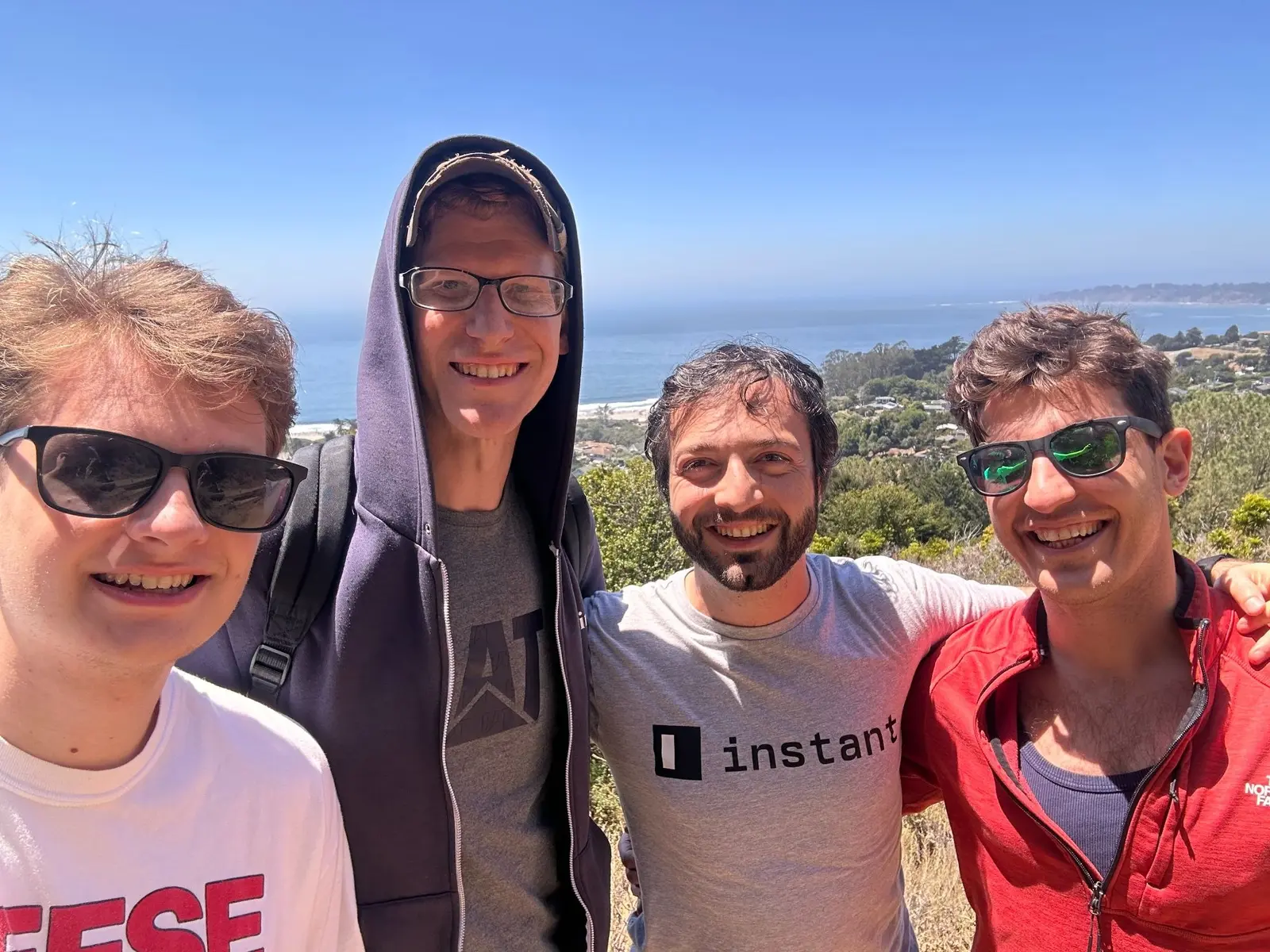
Apps on Instant Cloud go offline on August 31, 2027. The team behind Instant, a real-time database for frontend apps, is joining OpenAI, and new signups to the hosted service have already stopped, the team said in an August 22 post on Instantdb.
The same post sets out the terms for existing customers. They should migrate within the next 12 months. Any subscription started after July 31, 2026 gets a full refund. After the cloud apps shut down, backups stay available for 12 more months, until August 31, 2028. All of Instant is open source, and the team has written a guide to self-hosting Instant and migrating apps. It says it has “worked to make the migration process as seamless as possible.”
The team ties the decision to how people ended up using the product. “Over the last few years we saw that most of our users began to use Instant through agents,” it wrote, adding that at OpenAI it wants to “bring intelligence to as many people as we can.” Other startups have taken a similar route: when Mendral’s team joined Anthropic in July, its hosted product was shutting down too.
Over 17,000 users tried Instant, and together they made 400,000 apps. Those apps processed about 2.5 billion transactions.
In its seed announcement, Instant called itself “a modern Firebase” and said its architecture was inspired by Figma’s LiveGraph and Asana’s LunaDB. The company described the cloud as multi-tenant: it does not spin up a separate database for each user, which it said lets it hand out a database in under 10ms. According to the same essay, the free tier never paused projects and put no limit on active ones.
On the client side, the essay pitched a database that lives in the frontend. Queries are reactive, and transactions apply changes optimistically and are persisted locally, so developers don’t have to manage their own stores, selectors, endpoints or caches. The essay set this against two alternatives. In its comparison, Firebase has realtime sync, optimistic updates and offline mode but no relations, while Supabase is relational at its core but needs optimistic updates and offline mode built by hand for every feature.
The idea goes back to 2021, when the team shared a blog post about a database in the browser. In his essay “Database in the Browser, a Spec”, Stepan Parunashvili criticized hand-written stores, selectors and re-fetching logic, and asked why one can’t query data inside the browser with a SELECT. The team joined YC in 2022, built a prototype and shared a version zero, then officially open-sourced the project. Instant’s seed announcement came a month after the open-sourcing: a $3.4M round backed by Y Combinator and SV Angel, plus technical angels including James Tamplin, the original CEO of Firebase, Paul Graham, Greg Brockman, co-founder of OpenAI, and Jeff Dean, chief scientist of Google DeepMind.
Four people are joining OpenAI: Joe Averbukh, Stepan Parunashvili, Daniel Woelfel and Drew Harris. Woelfel joined very early and, in the post’s words, “helped solve some of the gnarliest problems in sync tech”. Harris came on when the TypeScript SDKs needed to become ergonomic. The post ends with a note to the customers who now have a migration ahead of them: “If you are an Instant customer, it’s been an honor building for you.”
Up next
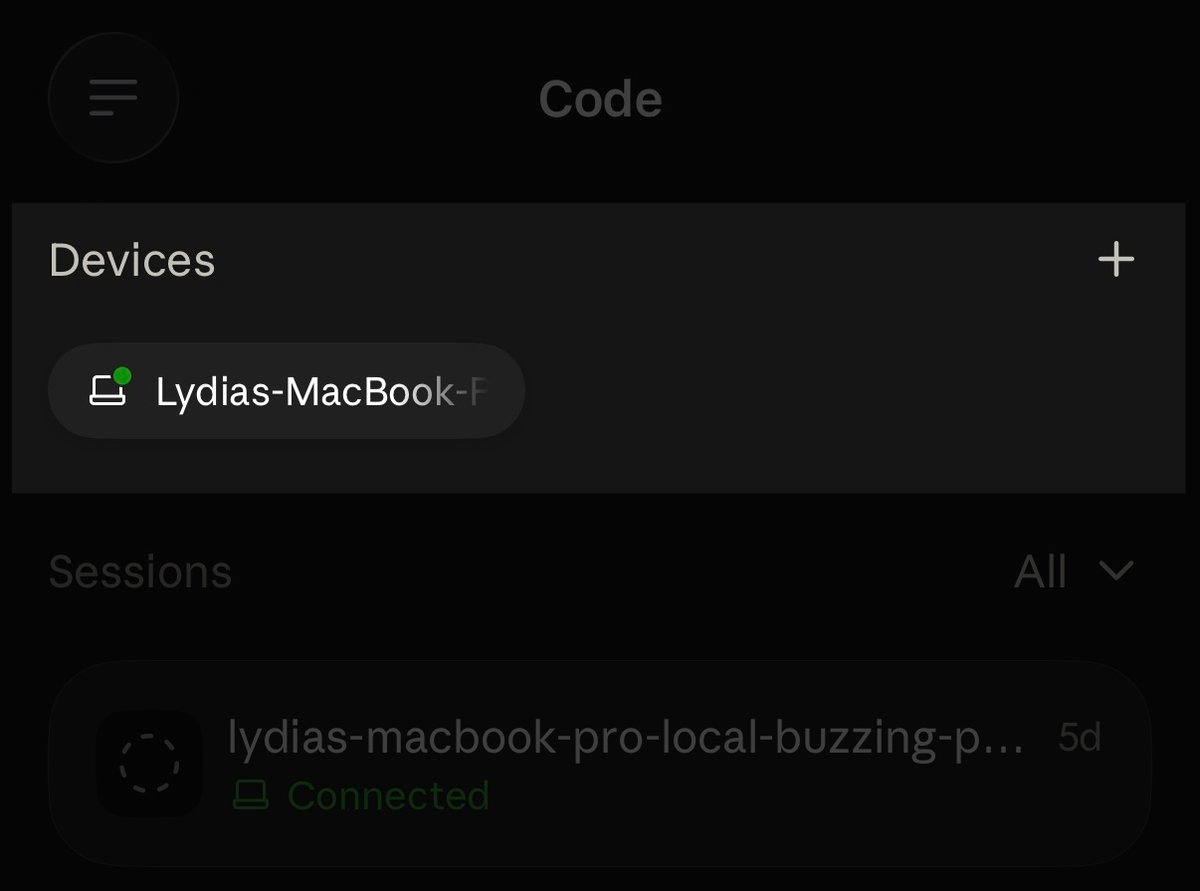
Claude Code Remote Control starts sessions from a phone
You tap a device card at the top of the Code tab, pick a directory, and a Claude Code session starts on the laptop you left at home. Resume that session on the laptop and the phone stays on it live.
Related stories
- OpenAI buys Odessia, an AI travel agent under a year old
- OpenAI disbands robotics team, citing GPT-6 Astra
- OpenAI’s quarter brought $10B, Anthropic’s $17B
- US online businesses can publish their own agent in ChatGPT
- TSMC approves up to $500M each for Anthropic and OpenAI
- Ramp sees AI token spend grow 1.5% after July’s 42%
Comments
No comments yet. Be the first.
Join the conversation
Sign in to leave a comment. It appears after moderation.