
OpenAI’s second chief revenue officer in under a year
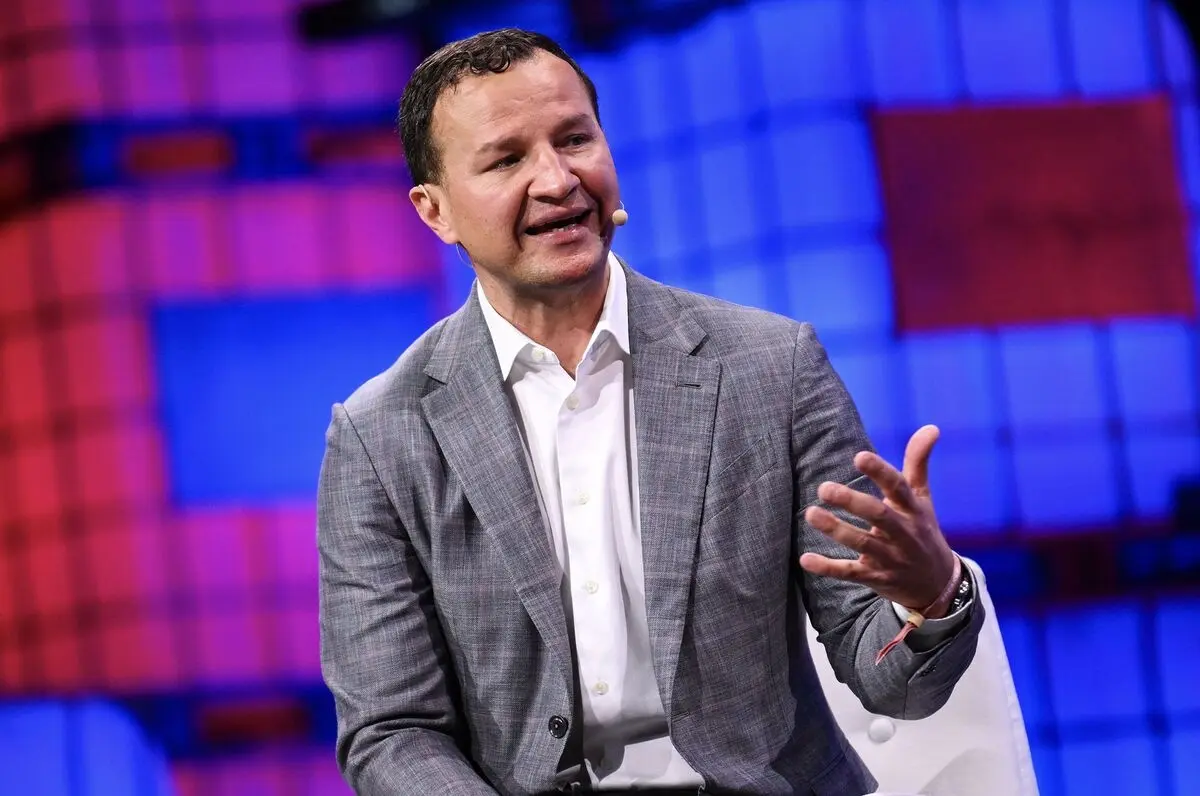
On August 13, OpenAI named Dali Rajic, president and chief operating officer of Wiz, as its new chief revenue officer. He replaces Denise Dresser after nine months in the job. Bloomberg reported that the company wants him to drive sales growth ahead of a highly anticipated Wall Street debut.
Dresser arrived from the CEO job at Slack. OpenAI announced her hire on December 9, 2025, and said she would oversee global revenue strategy across both customer success and enterprise, per CNBC. At the time, TechCrunch called the role pivotal for a company with a rocky road ahead if it ever wants to turn a profit. In April her role grew when she picked up most of Brad Lightcap’s responsibilities, after the COO moved to “special projects”.
Her exit is part of a wider reshuffle at the top of OpenAI. Over the past month Lightcap has left, and so has Fidji Simo, CEO of AGI deployment and the company’s No. 2 executive. Co-founder and president Greg Brockman has taken on more of the management work since Simo left, and he announced Rajic’s appointment in a blog post. In December it was Simo, then CEO of Applications, who presented Dresser, saying OpenAI was “on a path to put AI tools into the hands of millions of workers, across every industry.” So both the CRO and the executive who hired her are already gone.
The usage numbers did go up during Dresser’s time. When she was hired, CNBC put ChatGPT at more than 800 million weekly users and OpenAI at more than 1 million business customers. OpenAI now says its products reach more than a billion weekly active users and two million businesses, which roughly doubles the business count in about eight months. That second figure counts businesses the products “reach”, so it may not measure the same thing as December’s “business customers”. Even so, TechCrunch reported that executives have suggested, both privately and publicly, that the company has not hit all of its revenue goals. In November 2025, OpenAI said it was on track for more than $20 billion in annualized revenue run rate that year and planned to grow to hundreds of billions in sales by 2030.
Rajic’s last employer gives some sense of the deal sizes he is used to. Google bought Wiz, a cybersecurity firm, for $32 billion this year, the largest acquisition in its history.
Timing for the listing is still unclear. OpenAI says it has filed confidentially with the SEC ahead of a potential IPO. This week it also bought $7 billion worth of shares from employees in a tender offer, a move that TechCrunch said may point to a delay in going public. The same outlet noted that private companies often fill out their executive ranks before a public debut.
Bloomberg’s coverage cited a line in OpenAI’s blog post saying the company needed a “relentless focus” on “measurable business impact”. According to TechCrunch, that wording appears to have been removed from the published version. Sam Altman has spent this year pointing the company toward enterprise deployment and cutting back on projects and experiments seen as distractions from that goal.
Brockman thanked Dresser for leading the revenue organization “through a formative period for the business.” Then he set out what he expects from her successor: “The way we’re deploying this technology is changing rapidly, and Dali will turn what we’ve learned into repeatable execution as we build out the full system to make AI broadly useful for people and businesses.”
Up next

New model BDH-CQ costs $0.007 per task 11x less than OpenAI Luna even w 80% off
A 150M-parameter model, BDH-CQ, scored 29.5% pass@2 on the public ARC-AGI-1 set at an estimated $0.0007 per task. Its authors say that point breaks the previously published cost-accuracy frontier. Intermediate steps stay in latent space, never written out as text.
Related stories
- A Schumer lands in OpenAI’s Washington operation
- Data-center chief exits OpenAI before the IPO
- Brad Lightcap is leaving OpenAI after eight years
- OpenAI’s head of ethics leaves startup less than one year after joining
- OpenAI’s Brockman calls first half “pretty rough”
- OpenAI’s API and Codex hit Oracle Marketplace in the U.S.
Comments
No comments yet. Be the first.
Join the conversation
Sign in to leave a comment. It appears after moderation.