
Prosecutors: OpenAI bugging suspect kept dozens of tapes
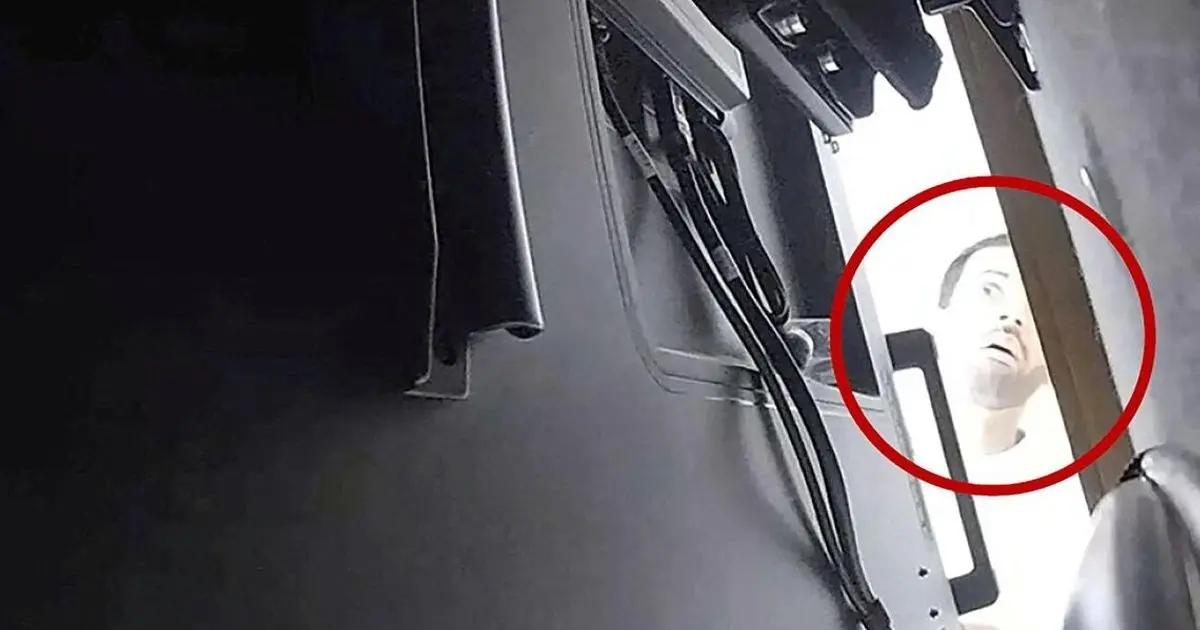
US prosecutors say Abdulrahman Alfozan, the former OpenAI engineer accused of hiding a recording device in an executive conference room, probably did capture the company’s trade secrets. In a court filing on Monday, November 23, they say they found dozens of recordings of OpenAI meetings on his personal computer. They are asking a federal judge to keep him in jail until trial, Bloomberg reports.
The case began at the end of September. According to the Justice Department’s complaint, OpenAI staff found a small recording device wrapped in toilet paper and plugged into the back of a television in an executive conference room in San Francisco. OpenAI said it used its own models to work out what the device was and traced it to the employee who had planted it a few days earlier. Alfozan, a Saudi national who had worked at OpenAI since July 2025, was arrested on October 9, and the company says it fired him that day. He faces a single charge of intercepting oral communications and has pleaded not guilty.
What prosecutors say they found
“Thus far, the government has located hundreds of audio files on the defendant’s personal computer, including dozens of recordings of meetings or conversations that occurred at OpenAI throughout September 2026, many of which involve discussions of what may be trade secrets,” the filing says. Prosecutors say he kept the files, along with AI-generated transcripts of some of them, “meticulously categorised by date and renamed according to the content of the recording.” He also appears to have uploaded at least some recordings to Dropbox.
On his phone, prosecutors say, they found a photo of a document marked “confidential” that looks like a term sheet for a “strategic partnership” between OpenAI and another company. The filing adds that while he was recording these meetings, he was in frequent contact with several people linked to the Saudi government.
According to the earlier complaint, the room was used for highly confidential talks about research, product plans and business deals, and Alfozan had no right to attend meetings there. AP reported that he allegedly used one of OpenAI’s own productivity tools to find out where and when sensitive meetings took place. When the case first broke, OpenAI said it had seen no sign that he took model weights, source code or customer data.
The fight over bail
The new evidence is part of a fight over whether Alfozan stays in jail. At a hearing earlier in November, US District Judge Vince Chhabria questioned keeping him in custody unless the government disclosed more evidence that could support a more serious charge. Prosecutors answer that he might flee. They say his ties to the US are weak and he has considerable money and connections in Saudi Arabia. In October they said his wife and son flew to Doha the day after his arrest on a one-way ticket booked and paid for by a Saudi military official.
Alfozan, who holds a US green card, denies stealing secrets from OpenAI for Saudi Arabia. In a filing on November 20, his lawyer wrote that he “has no special or covert ties to the Saudi government” and has cooperated with investigators, including by giving them access to his phone. He is asking the court to set his bond at $1 million.
What comes next
A hearing on the bond request is set for Tuesday, November 24, in San Francisco. Prosecutors say their investigation is still going on. In October, the Wall Street Journal reported, citing a law-enforcement official, that the FBI was considering adding an economic espionage charge. For now the only charge is the eavesdropping count, which carries up to five years in prison. The original complaint did not say what he might have wanted to do with the recordings.
Up next

Amateurs found possible planets with Codex and Astra, Video
A star in Lyra dims every 13.8 days, maybe from a planet 2.4 times Earth’s width. An OpenAI engineer spotted it with Codex; a SETI astronomer found it too, OpenAI says. Have you ever had AI write code to sift through data for you?
Related stories
- Defense says no evidence OpenAI bugging suspect is a spy
- Alfozan pleads not guilty in OpenAI bugging case
- Prosecutors allege Saudi support for ex-OpenAI engineer
- California sues OpenAI over Hugging Face breach
- FBI weighs espionage charge against ex-OpenAI engineer
- Judge orders ex-OpenAI engineer Alfozan held until trial
Comments
No comments yet. Be the first.
Join the conversation
Sign in to leave a comment. It appears after moderation.