
Computer use traces show up in the Gemini desktop app
Google is preparing computer use for its Gemini desktop app. The agent would control other apps, work with files in folders the user selects, and may already be with a limited group of trusted testers. Testing Catalog reported this on August 18 after traces of the feature appeared in the app’s settings. Claude and ChatGPT already handle this kind of work, and the outlet describes the move as Google finally closing the gap.
At this point the desktop app ran only on Mac, where Google released it in April. The Windows client came later, on September 10.
How you start the agent changes. Gemini Spark, Google’s agent mode, currently switches on through a toggle in the navigation bar. In the slightly updated Spark interface Testing Catalog expects, computer use would appear as a “Task” option in the prompt-bar selector, next to the existing image and video generation controls. So an agent run would become one more output type you pick before typing, much as you pick an image or a video today.
Once a task is running, a mini-view of the active screen would show what Gemini is doing. A smaller control keeps the device from going to sleep until the task is done, which matters on a laptop left alone with a long job.
The most unusual piece is an optional backup. Before Gemini starts a task, it can copy the selected folders to Google Drive. Testing Catalog’s post on Threads calls the setting “Advanced Backup” and describes it as backing up files before Gemini modifies them. The outlet sees it as a safety net for people who don’t keep their work in Git or another version-control system. It also reads the feature’s existence as a sign that Gemini could make unwanted changes to a workspace.
The outlet also points to the cost of that safety net. A selected folder holding hundreds of gigabytes would take a long time to upload, and it would eat into Drive storage before the agent does anything at all. For now, Google has said nothing about when computer use will reach users or which subscription tiers will get it.
Up next
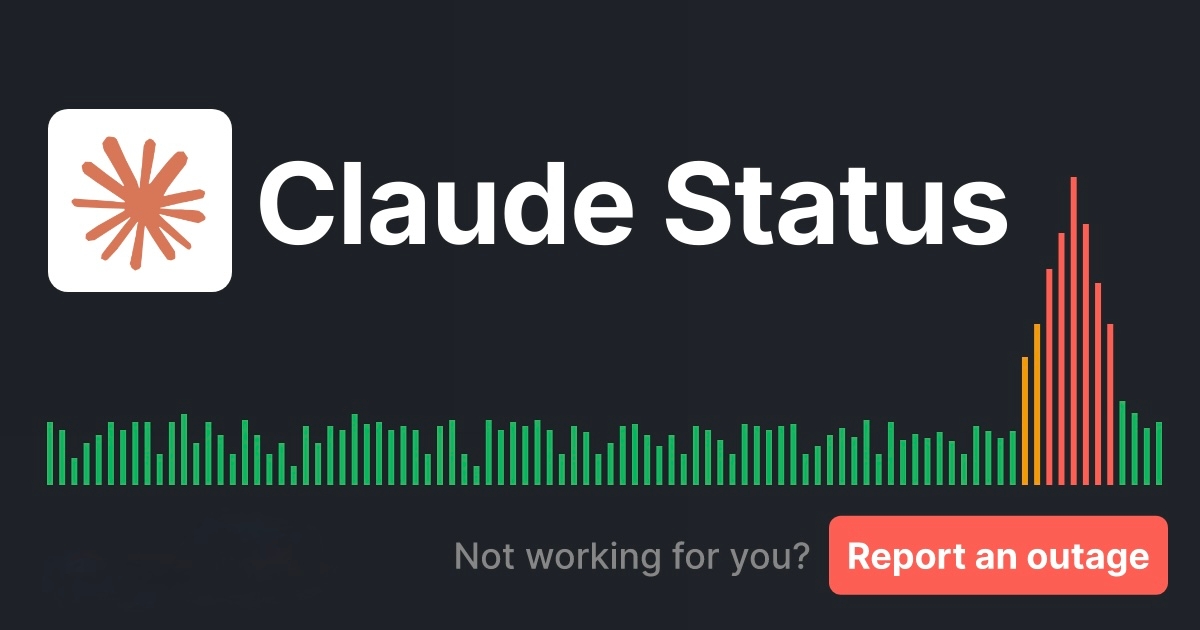
Errors hit Claude Sonnet 5, Haiku 4.5 and Claude Code
Elevated errors are hitting Claude Mythos 5, Fable 5, Sonnet 5 and Haiku 4.5 since 16:20 UTC, the third multi-model incident in two weeks and still open. The Aug 5 one took 7h 8m to resolve.
Related stories
Comments
No comments yet. Be the first.
Join the conversation
Sign in to leave a comment. It appears after moderation.