
Tens of thousands of Mac minis go into AI training
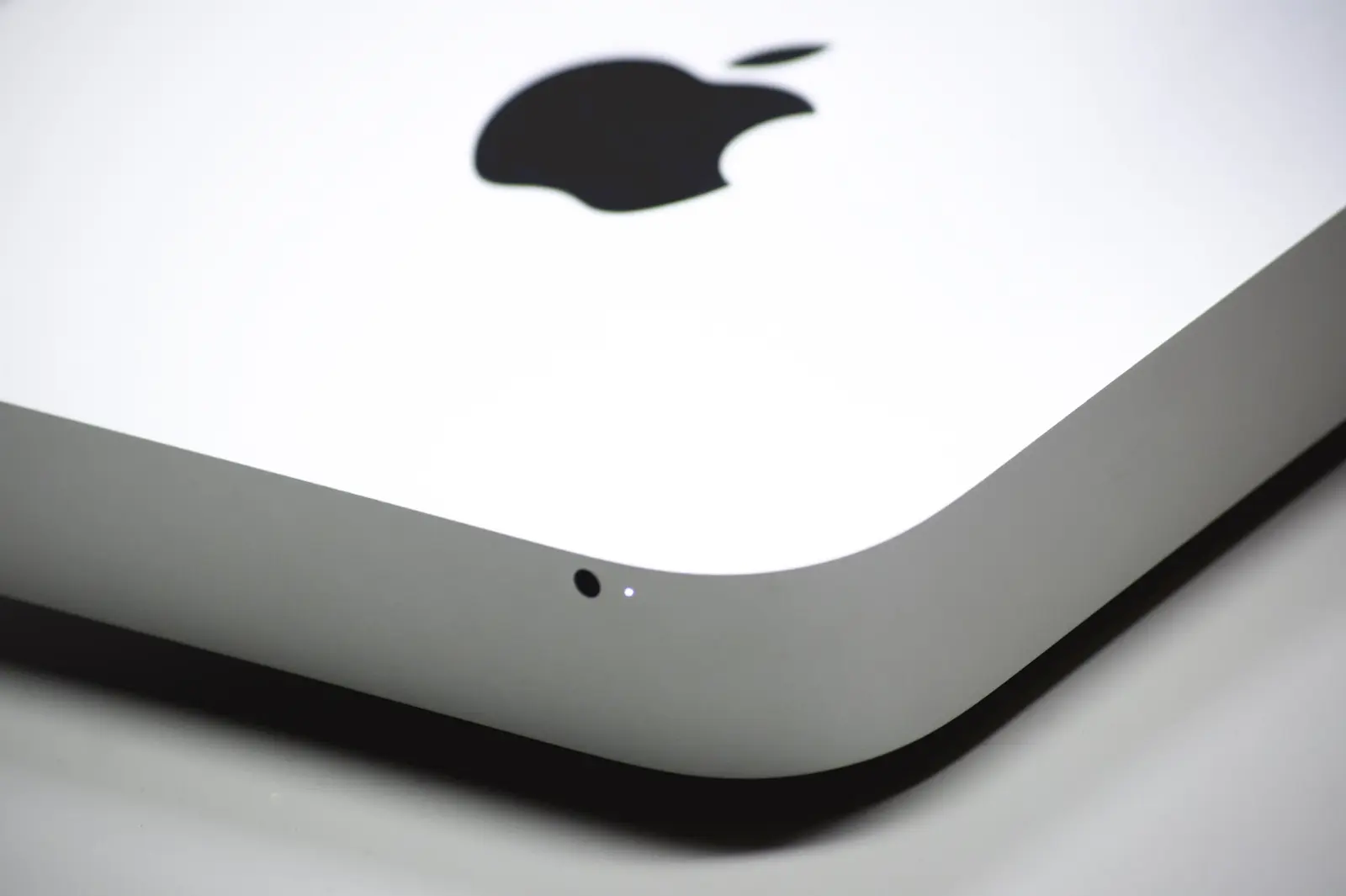
OpenAI has bought tens of thousands of Apple Mac minis and Mac Studios for reinforcement learning on its computer-use agents, The Information reported in a story Cryptobriefing carried on August 30. The same report says Anthropic is renting Mac minis through AWS for similar purposes.
Anthropic is renting where OpenAI bought. According to TechRepublic, The Information didn’t say how many Macs Anthropic uses or exactly which workloads they run.
Computer-use agents work software the way a person does. They click through interfaces, edit and test code, sort email and string together other multi-step tasks. Reinforcement learning trains them through repetition. The agent attempts a workflow, an automated check scores whether it succeeded, and the policy, the model’s rules for picking its next action, gets updated. Training needs millions of these attempts, called trajectories, and that means running thousands of desktop environments at once.
Apple silicon has unified memory: the CPU and GPU share one memory pool, where most machines keep system memory and GPU memory apart. TechRepublic says this helps workloads that keep switching between an AI model and the computer’s operating system. The outlet adds that the Mac mini and Mac Studio have active cooling, which suits them to long sustained jobs better than laptops, and that the reported purchases are Macs without displays or keyboards, so they can run as dedicated machines inside OpenAI’s infrastructure.
None of this replaces GPU clusters. TechRepublic stresses that Apple isn’t displacing Nvidia’s large clusters, because training a foundation model is a separate problem that needs far more compute. Anthropic’s biggest compute commitments still go to GPUs: in August it agreed to spend $45 billion on Nscale’s AI cloud, which runs on Nvidia’s Vera Rubin chips.
The difference between buying and renting probably comes down to utilisation. If desktops run around the clock, owning the hardware likely costs less than paying cloud fees month after month. Renting lets a team grow its macOS capacity without racking and maintaining machines itself.
The report came out the same week Nvidia’s RTX Spark desktop AI computer sold out at launch through OEM partners including ASUS and MSI. Per TechRepublic, Nvidia reportedly sees Apple as a major competitor in local AI.
Apple’s results show the demand without naming who drove it. Mac revenue hit $10.3 billion in the June quarter, up 29% year over year, faster than any other product category Apple reports; TechRepublic gives about $10.4 billion. Apple hasn’t credited the jump to OpenAI or any other AI lab.
TechRepublic also reports that unexpectedly strong enterprise demand helped push Apple to announce new Mac mini and Mac Studio models ahead of its usual fall schedule.
Up next
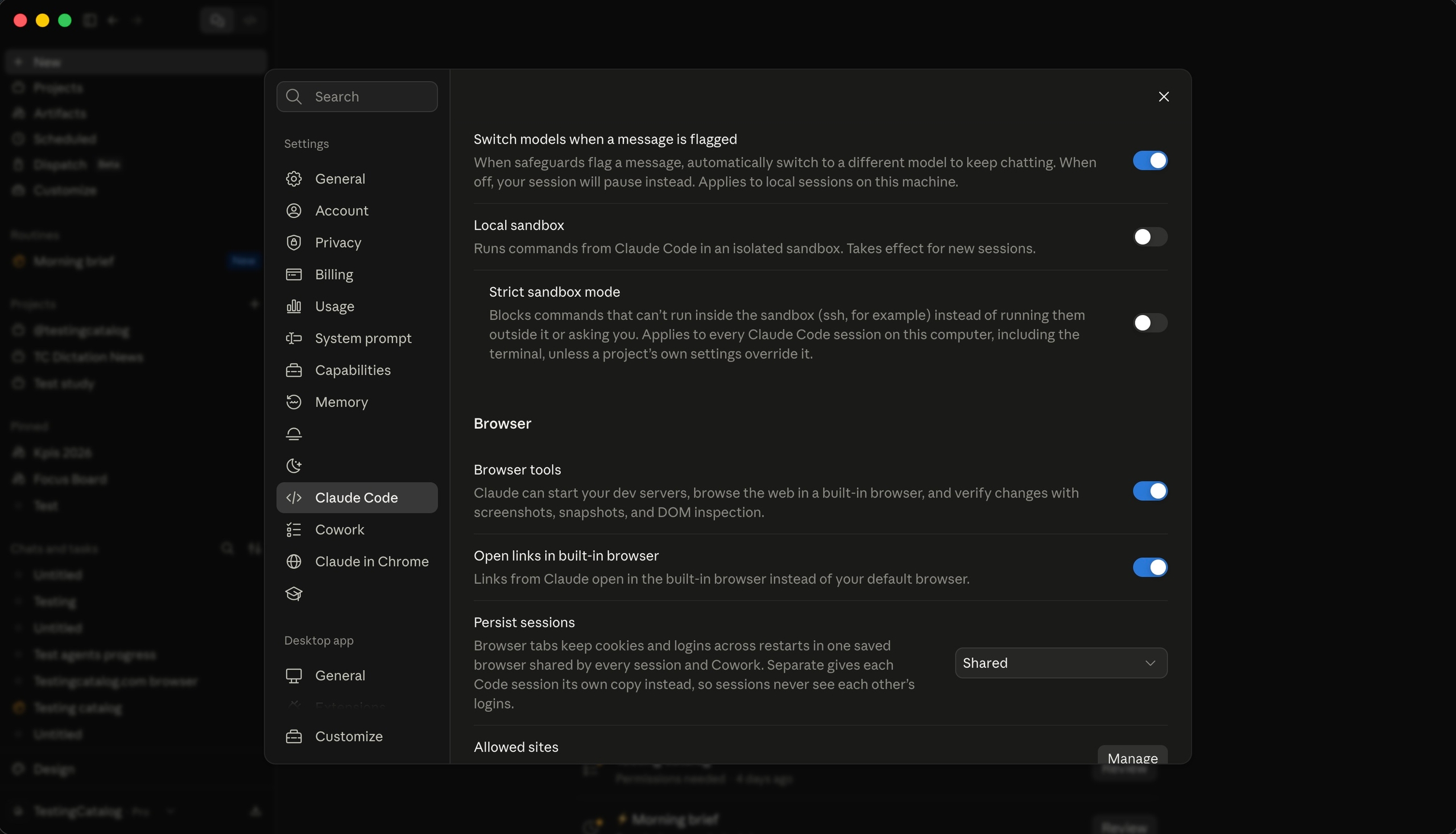
A strict sandbox mode surfaces in Claude Code desktop
Ask Claude Code for a shell command and it may soon run inside an isolated local sandbox, per unannounced text in the desktop app. A strict mode blocks whatever can’t run in there, ssh included.
Related stories
- Security researchers: stop blocking defenders
- Claude Haiku 5.5 spotted a data leak GPT-6.1 Sol missed
- Cheaper per token, Fable 5.2 cost $13.39 to Astra’s $3.99
- Anthropic and OpenAI sued over neural network patents
- Mythos put Claude on AMD in about 3 days, not 6-12 months
- Bloomberg: OpenAI backs bills to cut China’s AI chip access
Comments
No comments yet. Be the first.
Join the conversation
Sign in to leave a comment. It appears after moderation.