
openai
Three ways to embed the Codex agent loop in your app
Promtime
 openai
OpenAI is presenting the open-source Codex harness as a component other products can embed, and cites an ARC-AGI-3 result to argue that the surrounding runtime matters: retained reasoning and context compaction moved GPT-5.6 Sol from 13.3% to 38.3% while cutting output tokens sixfold. The case is set out on the OpenAI developer blog.
At a glance
- The harness is the execution layer around the model: it maintains conversation state, streams execution, calls tools, enforces configured sandbox and approval policies, and carries work across turns.
- OpenAI publishes three integration layers: codex exec for bounded scripts and CI jobs, the Codex SDK for programmatic workflows, and Codex app-server for products that need open threads, streamed events and approval handling.
- GitHub and JetBrains route Codex into IDE workflows, Cisco uses the Codex SDK in App Builder inside Cisco Cloud Control, and a Thrive Holdings and Crete tax pilot processed 7,000 returns.
The pitch reads as a bid to make Codex infrastructure rather than a destination product: instead of moving analysts, support engineers and operations teams into a general-purpose chat client, OpenAI offers the runtime that sits beneath one. For teams that already run dashboards, queues and records, that likely lowers the cost of adding an agent, and it puts sandbox and approval logic in a layer they can read rather than a vendor black box.
Codex app-server exposes the agent loop through a documented client protocol
OpenAI frames a capable agent as more than a prompt and a model response: it has to understand a task, maintain context over time, inspect relevant information, call tools, expose progress, handle failures, request human approval when needed and return a result. That surrounding execution system is the harness. The same one powers the Codex app, the command-line interface and the IDE extension.
Codex app-server exposes those capabilities through a documented client protocol. Applications can create threads, start turns, receive events and respond to approval requests, which lets a host product keep a conversation open and interrupt work in progress. Because the harness is open source, the layer between an application and the model can be inspected and adapted.
codex exec, the Codex SDK and app-server mark three depths of integration
Building on Codex does not require the same integration everywhere. For a script, a CI job or a one-off background task, codex exec runs a bounded agent workflow and returns structured output. Application code that needs to start, resume or stream Codex tasks can use the official Codex SDK, which OpenAI documents with a runnable example.
Codex app-server is for cases where the agent is part of the product itself. It connects an application to a local Codex process, keeps conversations open, streams events, allows work to be interrupted, exposes tools and responds to approval requests. OpenAI publishes the Codex CLI, app-server and SDK as open-source components and lists them in a components guide.
Relay gates shipment rebooking behind human approval
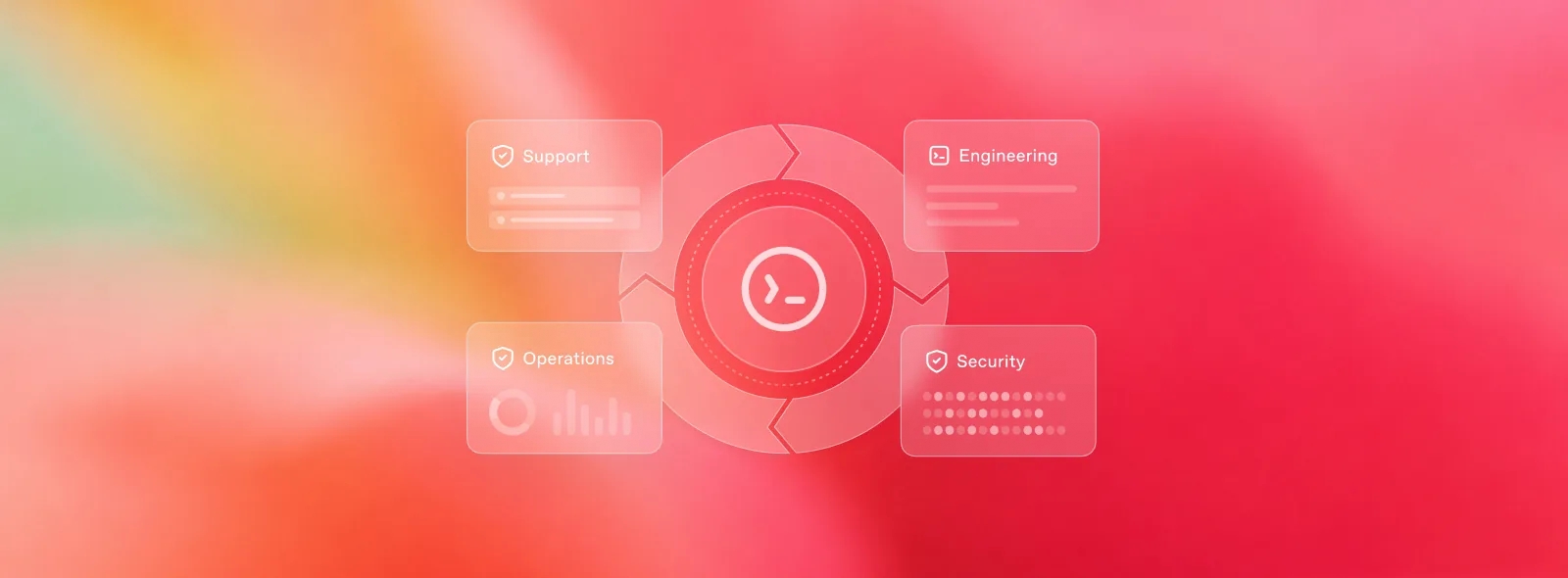
Relay is a sample operations application built on Codex app-server. It places an agent beside a fictional shipment dashboard, connects it to application-owned MCP tools and requires human approval before a shipment is rebooked. The user selects a shipment and clicks an action such as Compare recovery instead of writing a prompt.
The application supplies the context, Codex retrieves the latest sample operational data through those tools, and the agent explains the available options; when a tool changes a record, the application refreshes its business view. Relay runs on fictional seeded data, but OpenAI describes the integration pattern as general.
Public implementations follow the same shape. GitHub and JetBrains bring Codex into existing IDE workflows, Cisco uses the Codex SDK in App Builder inside Cisco Cloud Control, and Thrive Holdings and Crete apply Codex to tax preparation, a pilot that processed 7,000 returns and cut preparation time by about a third.
Where the open source ends
OpenAI draws the line at the harness and the integration surface: the CLI, app-server and SDK are open, while model access and managed services remain separate. The post names no pricing, no version numbers and no timeline for further components, and directs developers to the open-source Codex repository and the components guide to pick an integration layer.
Comments
No comments yet. Be the first.
Join the conversation
Sign in with Google to leave a comment. Your name and avatar come from your Google profile, and the comment appears after moderation.
We only use your name and avatar from Google. We never store your email address.