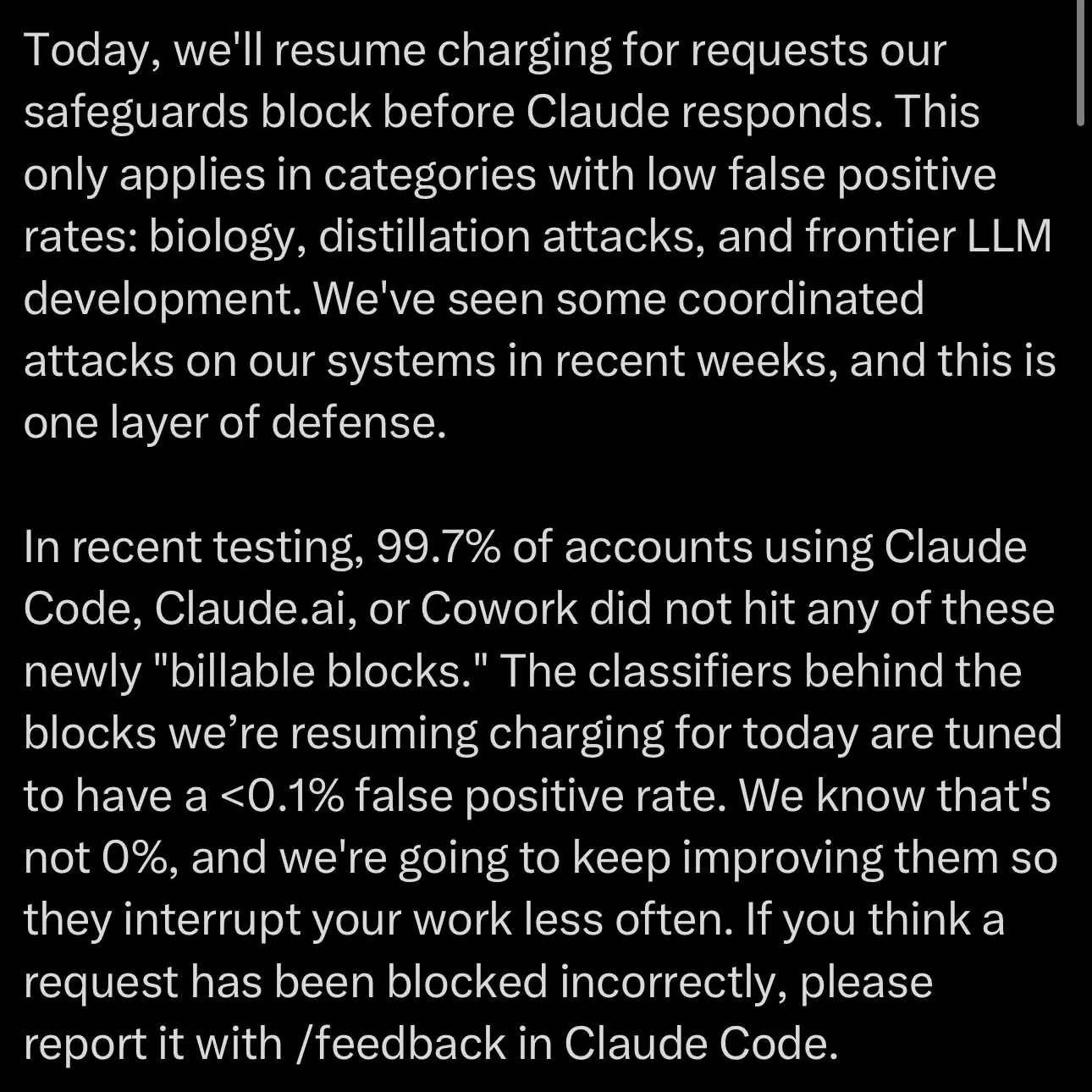
Somebody hammering Claude with distillation prompts and hitting the safeguards will pay for every blocked request again, Anthropic says, though only in three categories with low false positive rates.
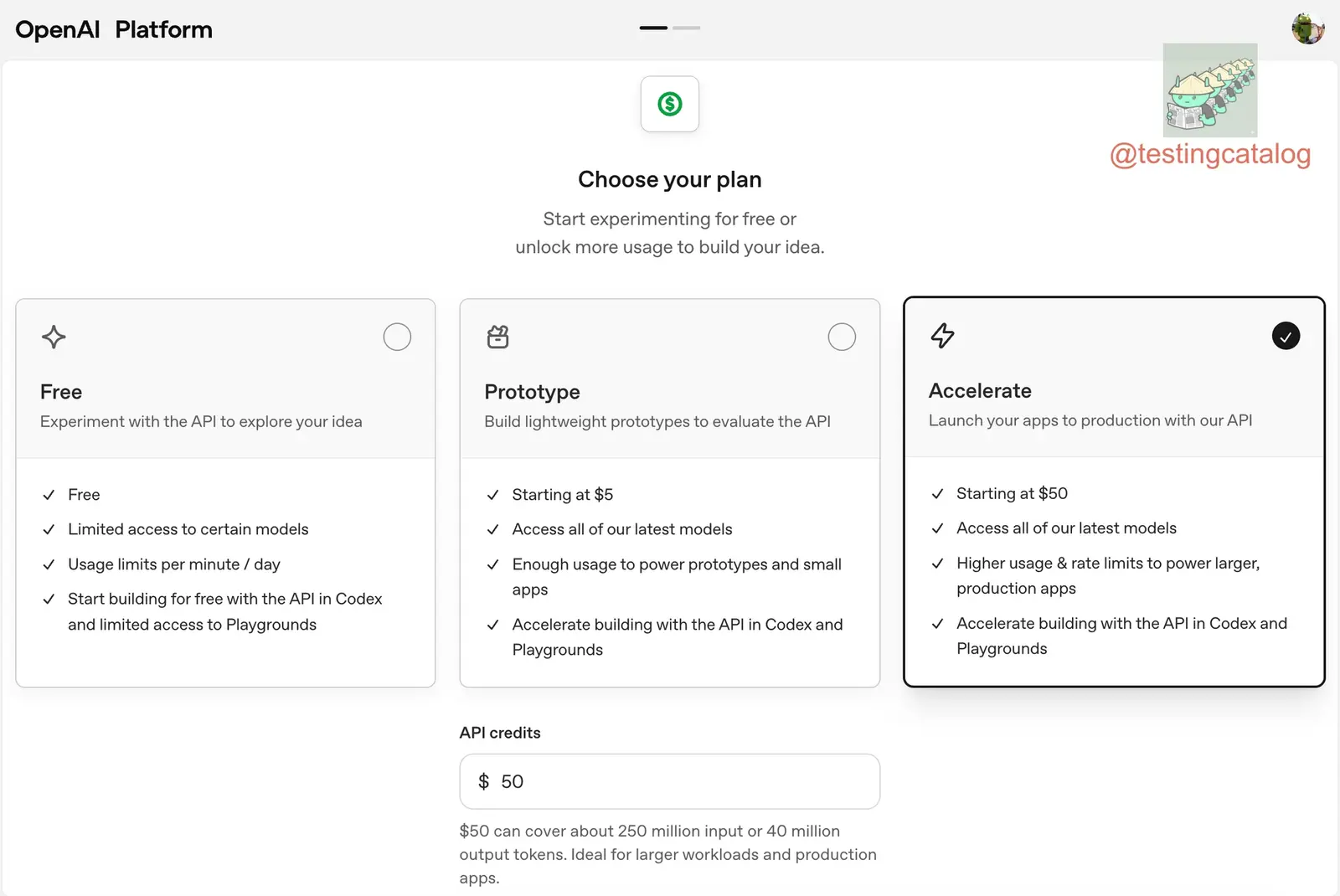
$50 is where Accelerate starts, the production plan in a three-tier API onboarding flow spotted in OpenAI Platform strings. Below it sit Prototype and a Free tier that routes API access through Codex.
Developers who resend the same long system prompt on every GPT-6 call will pay less for that repeated part, since OpenAI's caching update cuts cached input token costs by up to 90%.
Claude Code users on Pro, Max and Team just got a spare limit reset they can spend on any bad day before Oct 22, and it comes on top of 5-hour session limits that went up 20% today.
"Passing the savings directly to you," OpenAI says of GPT-6 Sol at $2/$10 per million tokens, half the price of GPT-5.6 Sol, and this time the lower price isn't a promo.
An early tester pointed Claude Opus 5.5 at a 680,000-line code migration and had it done in under a day. It also runs 40% cheaper than Opus 5 at default settings, with cache reads down 60% to $0.20 per million.
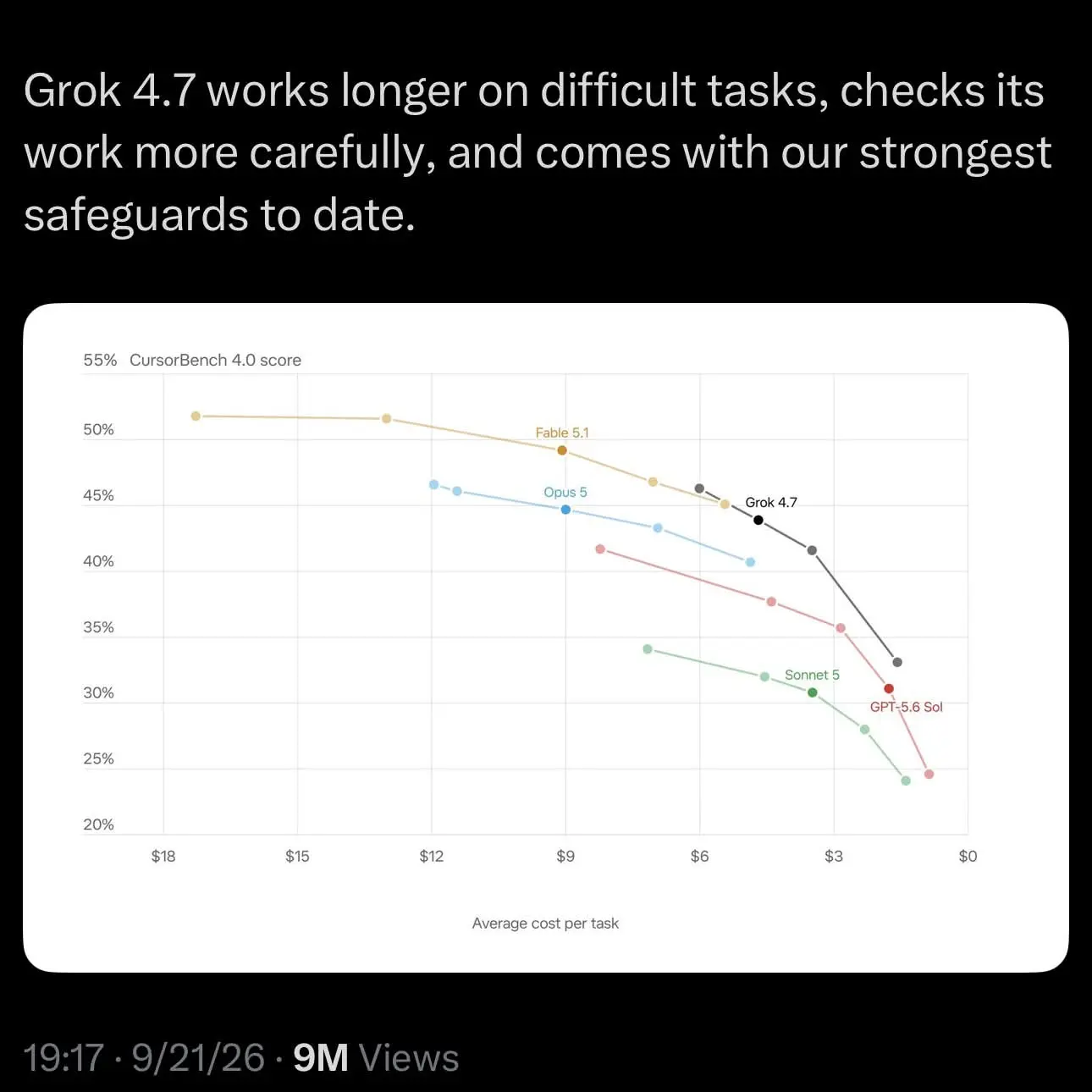
"Close to Opus 5 performance on certain tasks at a price of Grok 4.6" is how the SpaceXAI post sums up Grok 4.7, now on Grok Build, Cursor and the APIs, though no benchmark numbers travel with the claim.
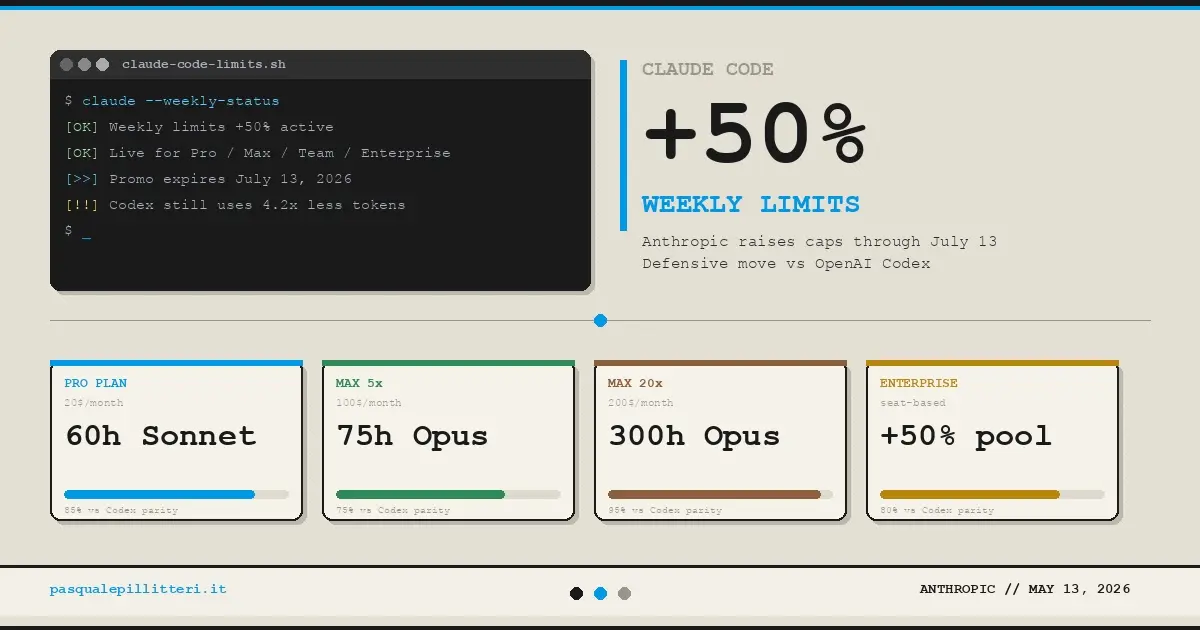
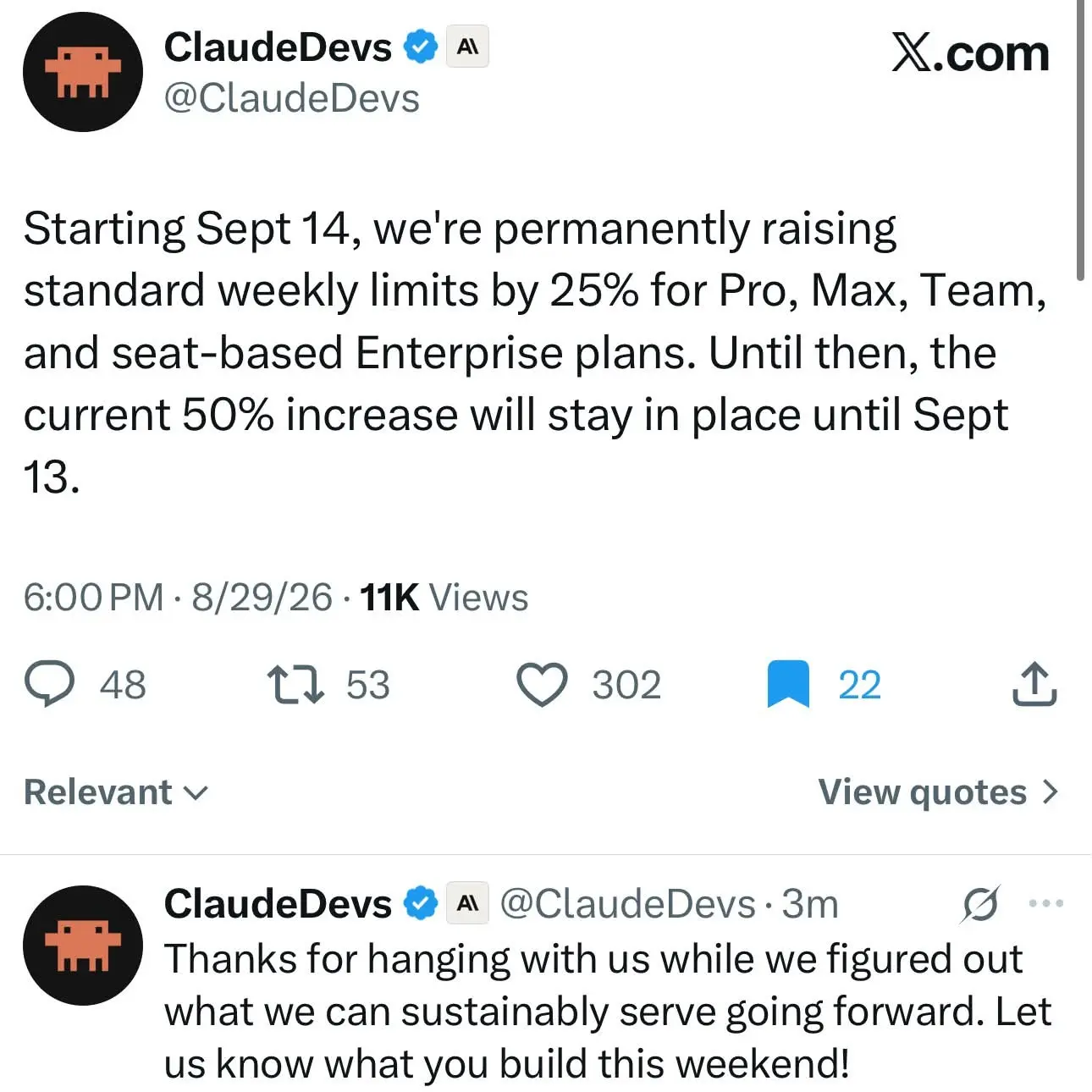
Anyone budgeting next week's sprint around Claude Code's current weekly cap loses 17% of it on September 14, when the temporary 50% boost expires and a permanent 25% raise over the old baseline takes its place.
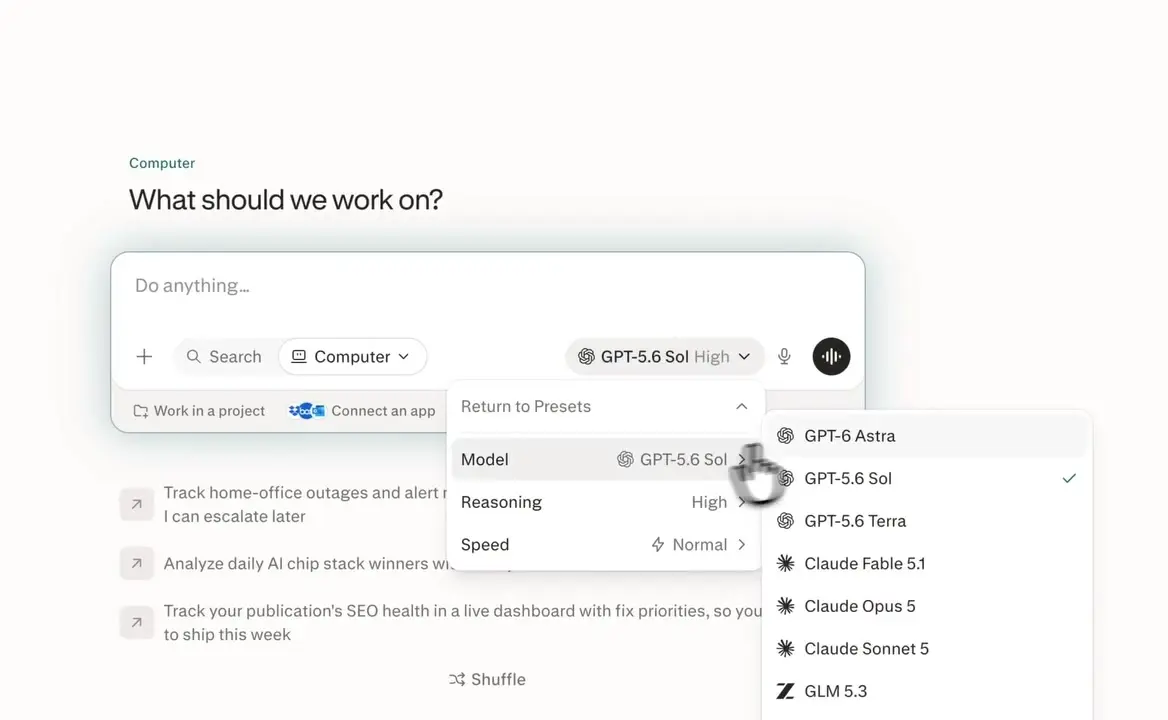
One dial sets Perplexity Computer's model and cost Perplexity's effort presets pick the orchestrator model and the reasoning depth together. Lower settings use less expensive models, so per SQ Magazine your spend tracks the preset.
Asked why it was checking so often, the model in a Codex goal session promised to poll less. Goal mode started the next turn 0.3 seconds after that answer, and every turn rereads 120 to 470 thousand tokens.
$30 per million image output tokens is the rate for both of OpenAI's new image models, Flare and Sunburst, and the company says its GPT Image 2 calculator won't estimate how many tokens either one burns.
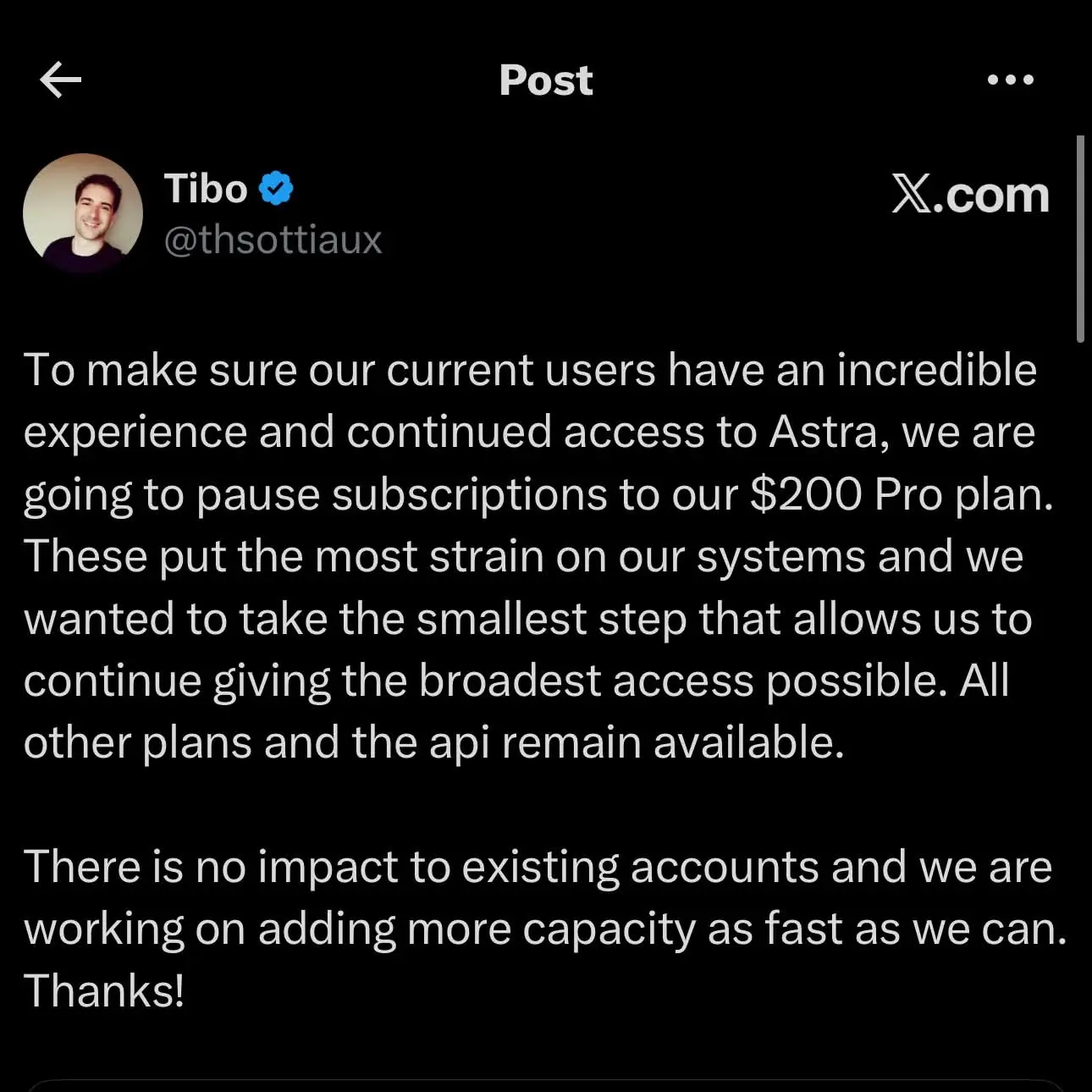
Anyone trying to buy ChatGPT Pro right now hits a wall. OpenAI paused new $200-a-month signups, calling it the smallest step it could take while GPT-6 Astra demand strains its systems.
20x more usage is the pitch on Anthropic's $200 Claude Max plan, and an expanded class action filed Tuesday says the weekly cap sitting on top of that multiplier wasn't spelled out at signup.
Microsoft cut its speech-to-text price from $0.36 an hour to $0.10, roughly 72% in five months, and bundled speaker diarization, timestamps and 60 languages into that launch rate.
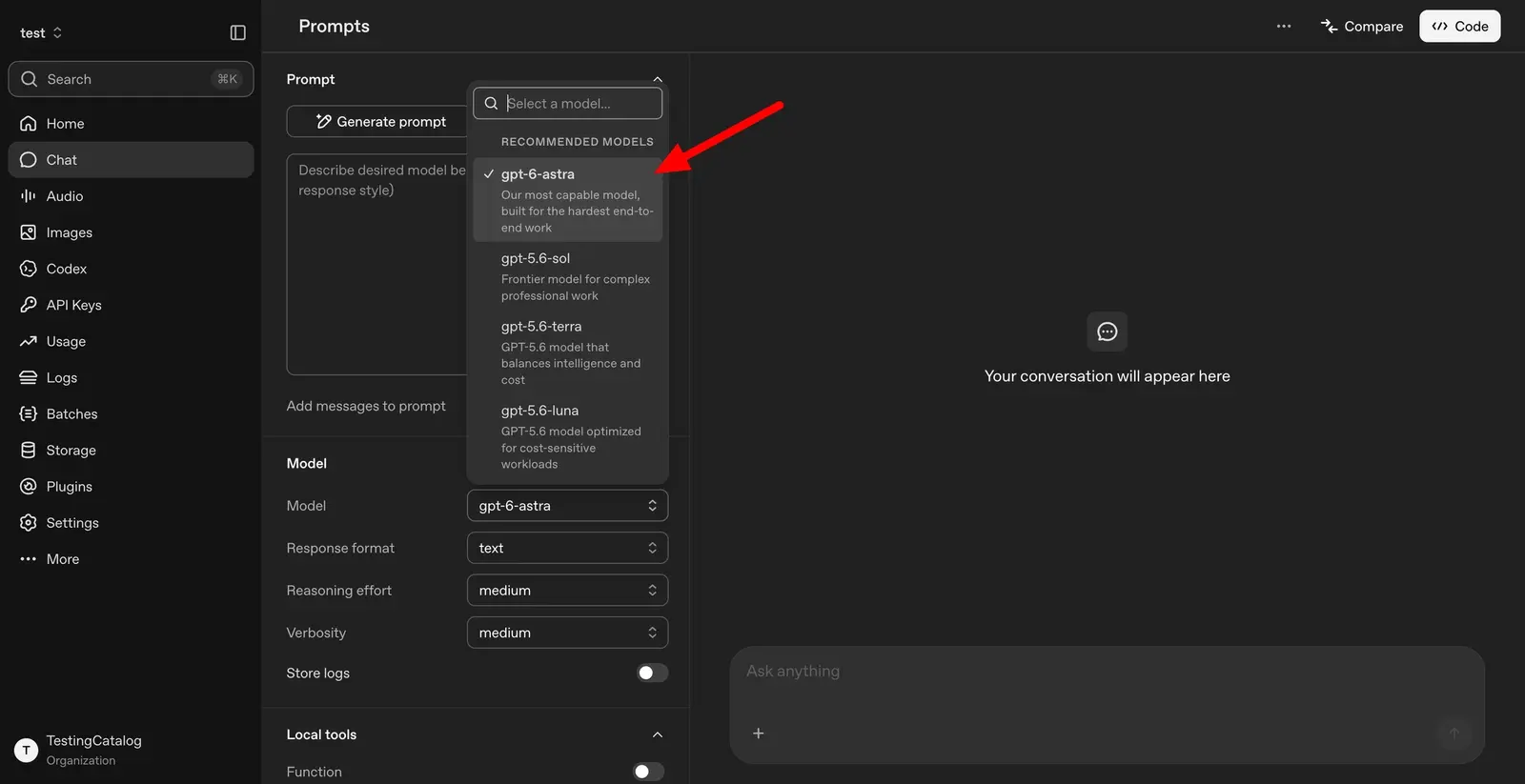
The API got GPT-6 Astra before Codex did. Access in ChatGPT Work and Codex may take a few days to reach Plus and all Business users, at $10 per million input tokens and $50 per million output.
Anthropic says Fable 5.1's cyber safeguards are "less likely to flag benign content" and intervene about 60% less per session, though penetration testing and exploit generation still get routed to Opus.
Three subscription tiers from $5 to $50 accompany Muse Code's beta exit, per The New Stack. Meta says the $5 plan typically covers around 10 to 50 requests every five hours.
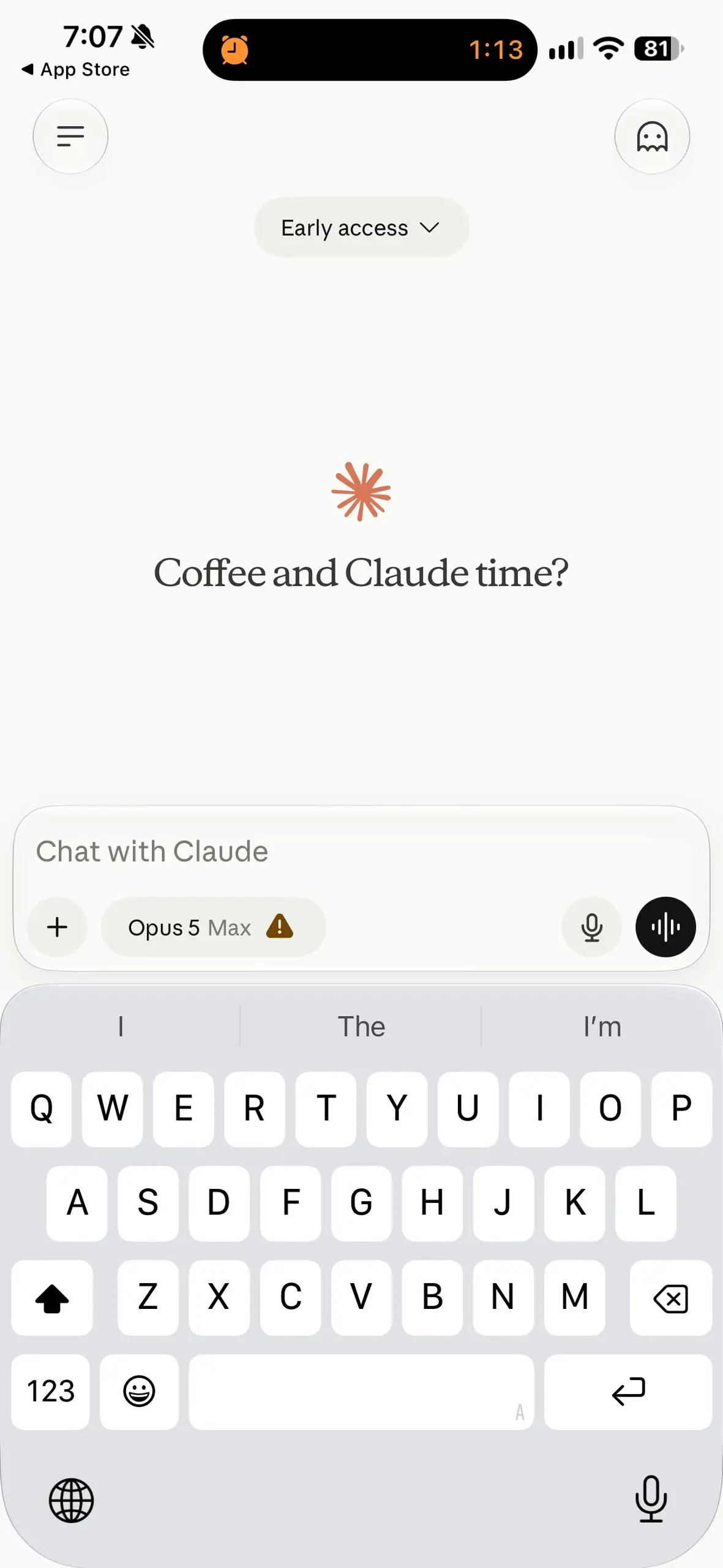
1.5× usage appears beside Claude for iOS's Max effort option in a supplied screenshot. Anthropic says higher effort uses more tokens and reaches usage limits faster.
A new class-action lawsuit claims Anthropic's $200-a-month Max 20x plan only delivers 6–8 times Pro tier usage instead of the promised 20 times. Subscribers are demanding restitution over hidden rate limits.
"Permanently raising standard weekly limits by 25%" kicks in September 14 for Pro, Max, Team and seat-based Enterprise, though the temporary 50% boost runs out September 13, leaving roughly 17% less than today.