
Title
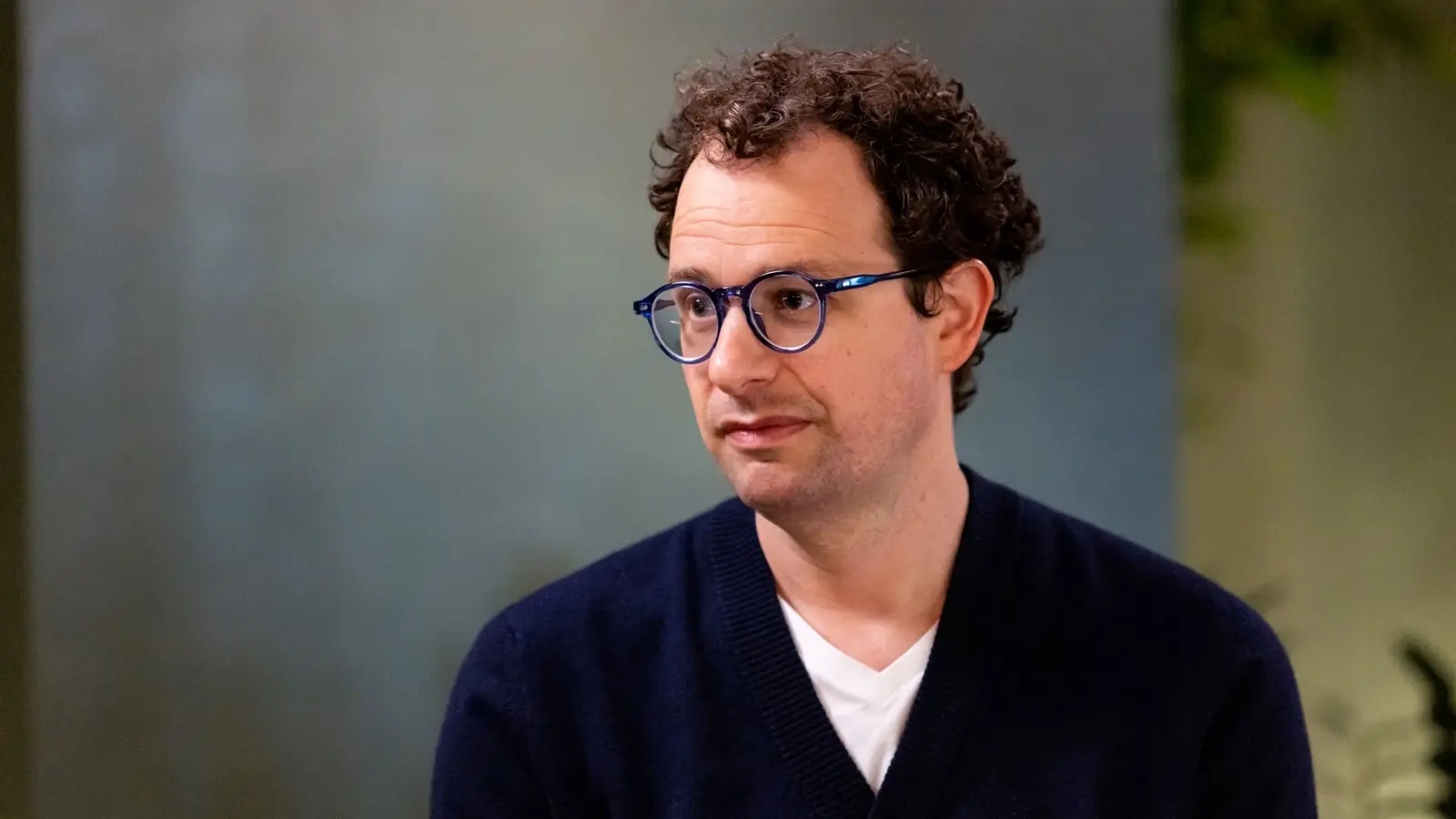
Anthropic’s IPO prospectus is expected to name public opposition to AI and to new data centers as a key risk factor, CNBC reported on August 21, citing people familiar with the matter. Those people say CFO Krishna Rao is being asked what happens if data center building slows down, along with questions about competition and about margin pressure from open-source models.
The questions come up in preliminary “test-the-water” meetings with bankers and investors in San Francisco. Those sessions are confidential, and the sources asked not to be named for that reason, CNBC said.
The prospectus itself is still private because of how Anthropic filed. On June 1 it confidentially submitted a draft S-1, the registration statement a company files with the SEC before listing. Under the JOBS Act, a qualifying emerging growth company can keep that draft out of public view until at least 15 days before the roadshow, and a confidential filing does not commit the company to a listing date, price or share count. Companies use the risk factors section both to inform investors and to protect themselves legally. In its own filing, SpaceX said that “adverse global macroeconomic and geopolitical conditions may negatively affect our business, financial condition, results of operations and future prospects.”
The backlash has numbers behind it. A Gallup survey published in May found that seven in 10 Americans opposed AI data center construction in their area, with close to half “strongly opposed” and roughly a quarter in favor. With the midterms less than three months away, politicians in both parties have taken up the issue. Rep. Byron Donalds, who has proposed restrictions on data centers in Florida, won the state’s Republican gubernatorial primary on August 18. The same day, Pennsylvania Gov. Josh Shapiro, a Democrat, signed an executive order that places harsh standards on data center development in his state, CNBC reported.
Dario Amodei had already taken a position on where the anger comes from. On August 15, investor Gavin Baker claimed that Amodei’s warnings fueled hostility toward data centers. Amodei replied on X that ordinary people distrust companies, governments and the tech industry, and called the backlash “just the latest iteration” of that.
The IPO has been moving since spring:
- May 28: Anthropic announces a $65 billion Series H at a $965 billion post-money valuation, led by Altimeter Capital, Dragoneer, Greenoaks and Sequoia Capital.
- June 1: the confidential draft S-1 goes to the SEC, four days after the round.
- June 3: Morgan Stanley, Goldman Sachs and JPMorgan are confirmed as lead underwriters. October is the earliest expected listing window, on Nasdaq or the NYSE.
- August 21: CNBC reports the backlash risk factor and the investor questions about data centers.
The deal size also has a benchmark now. Investors expect Anthropic’s offering may top SpaceX’s, which CNBC puts at $85.7 billion including the underwriter option, by far the largest to date. They project a valuation of about $2 trillion, the people said. In the private market Anthropic is valued at close to $1 trillion. Bloomberg had reported that Anthropic expects to match or top SpaceX’s debut, which Bloomberg put at $75 billion, and that Rao has avoided committing to a valuation figure.
SpaceX is in the story twice. It competes with Anthropic through its AI division, and it also supplies Anthropic with GPU capacity in Colossus 1 and 2. Those sit alongside 5GW from Amazon and 5GW of TPU capacity from Google and Broadcom. Like OpenAI, Anthropic is pushing its infrastructure partners to build as fast as they can, and hyperscalers are spending hundreds of billions of dollars on capital expenditures this year on data centers and the GPUs that fill them.
That buildout is what the opposition targets, and Anthropic’s revenue depends on it. Its annualized revenue run rate was about $9 billion at the end of 2025, about $30 billion in April and about $45 billion in May. For AI labs like Anthropic, compute capacity is directly correlated to revenue, CNBC notes, so a slowdown in data center construction could dent the growth of a company that just topped a $65 billion annual revenue run rate.
Up next

NEINhorn copyright suit lands on OpenAI
The “NEINhorn”, a German children’s book, is now the subject of a copyright suit against OpenAI. Per heise, publisher Carlsen filed it on August 19 over rights-infringing copies of the work.
Related stories
- Amodei answers Baker: the AI backlash is a trust crisis
- Newsom signs two AI auditor bills backed by Anthropic
- Feds sold Ellison and Singh’s Anthropic shares to insiders
- Anthropic’s IPO targets SpaceX’s $75B record size
- Silicon Valley is souring on Anthropic, per the WSJ
- Anthropic paid $740,000 to a firm led by Rubio’s ex-aide
Comments
No comments yet. Be the first.
Join the conversation
Sign in to leave a comment. It appears after moderation.