
Amodei answers Baker: the AI backlash is a trust crisis
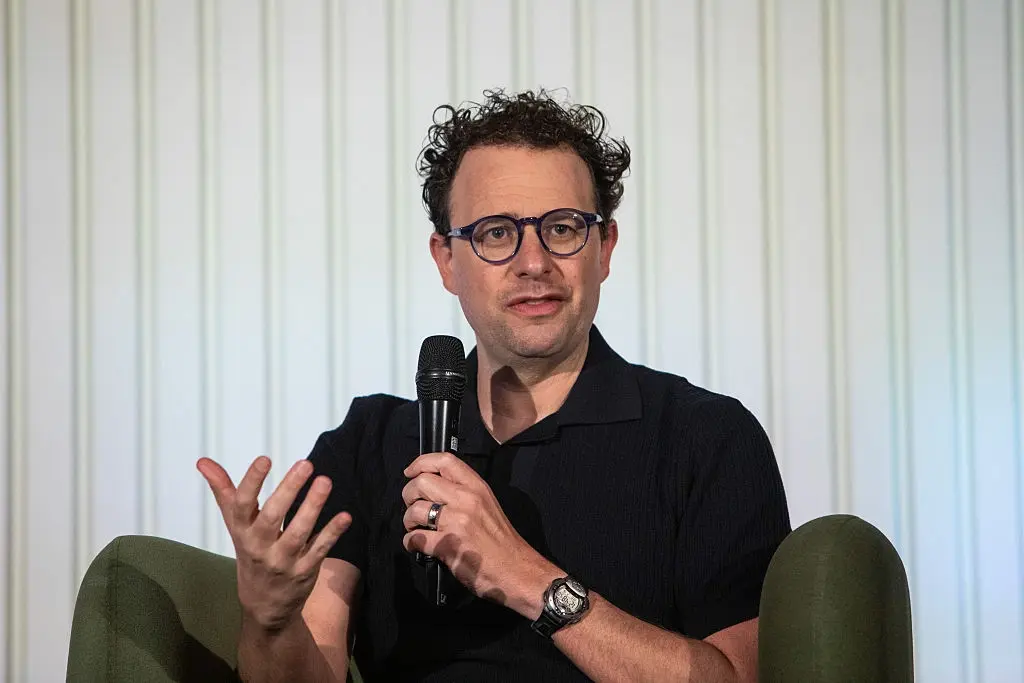
Dario Amodei rejected the claim that warnings from AI executives are what turned the public against the technology, calling the backlash "fundamentally a crisis of trust" in a series of posts on X on August 15. His reply, reported by TechCrunch, answered investor Gavin Baker, who had made the opposite case on the All-In podcast and on X.
At a glance
- Baker argued that Amodei has "lost the argument" on AI regulation and that his warnings about AI dangers helped fuel the US backlash, particularly the hostility directed at data centers.
- Amodei counts one major essay on risks and one on benefits, citing "Machines of Loving Grace" as his attempt to describe how the technology could transform the world for the better.
- He accepts one criticism: that AI companies including Anthropic have not yet delivered on their promises to benefit the world, and says curing cancer would move opinion where promising to cure it does not.
The regulatory half of the exchange is the part with operational weight: Anthropic's stated design goal, slowing frontier labs while advantaging smaller ones, appears to set the shape of what it will support in legislatures that developers eventually build under. The messaging fight is the visible layer, and the accepted criticism about undelivered promises is likely the more durable one, since it is measured against products rather than posts.
Amodei calls the backlash the latest iteration of a distrust decades in the making
Amodei acknowledged that the public has a negative view of AI and called that a big problem. What he disputed is the claim that the negativity is primarily caused by him or by any other AI leader warning about the technology's risks.
I think that ordinary people don't trust companies, governments, or the tech industry and always suspect that we are cooking up some new way to screw them over.
In his telling, the distrust has been decades in the making, and the reaction against AI is just the latest iteration of it. Baker had tied that reaction to US hostility toward data centers and said Amodei, "about to be the CEO of one of the most important companies in the world," should be "a more positive advocate for his own industry."
The criticism Amodei accepts is that Anthropic has not delivered on its promises
Amodei rejected the premise that his messaging has been disproportionately negative, saying it has been about equally balanced between risks and benefits, with one major essay on each. He wrote "Machines of Loving Grace" because he did not feel the industry was painting an inspiring enough picture of how the technology could transform the world for the better.
The criticism he called by far the most accurate is that AI companies including Anthropic have not yet delivered on their big promises to benefit the world, which he said is totally on them and the thing worth criticizing instead of messaging and marketing. Promising that AI will cure cancer, he said, is more a cliche than it is inspiring; what would change opinions is actually curing cancer.
Anthropic aims its proposals at slowing frontier labs while advantaging smaller competitors
Amodei called Baker's framing a false choice between distributing AI widely without regulation and concentrating it in a few companies through regulation. The Silicon Valley shorthand that regulation equals regulatory capture equals concentration of power is, he said, an overly simplified picture of the world.
Many people outside that bubble, he added, think of regulation as something that constrains corporate power and benefits ordinary people, a view he does not necessarily share either. He said that is why Anthropic writes its policy proposals carefully, aiming to slow frontier AI companies while advantaging smaller competitors.
Anthropic has backed some regulation, including a California transparency bill for large AI companies. Amodei's stated reason is that AI structurally tends to concentrate power and that open weights shift concentration toward those with the most compute and chips. He said the right rules of the road could address cyber, bio and alignment risks, institutionally constrain frontier labs and leave room for open-weights models.
The "rules of the road" test
Amodei set out those criteria without attaching them to any draft text or timetable, and said the right framework should also address the specific risks that open-weights models bring. The concrete measure in play remains the California transparency bill Anthropic has supported. Whether proposals built to slow frontier labs while advantaging smaller ones survive a legislature is the part the exchange left open.
Up next

Claude stamps 2026 onto "best X" search queries
"best running shoes" goes out as "best running shoes 2026", per a Canonry study of the search strings Claude actually issues. Advice and "near me" queries got no year, so year-stamping only pays on comparison pages.
Related stories
Comments
No comments yet. Be the first.
Join the conversation
Sign in to leave a comment. It appears after moderation.