
Leaked Hatch materials point to a Meta agent superapp
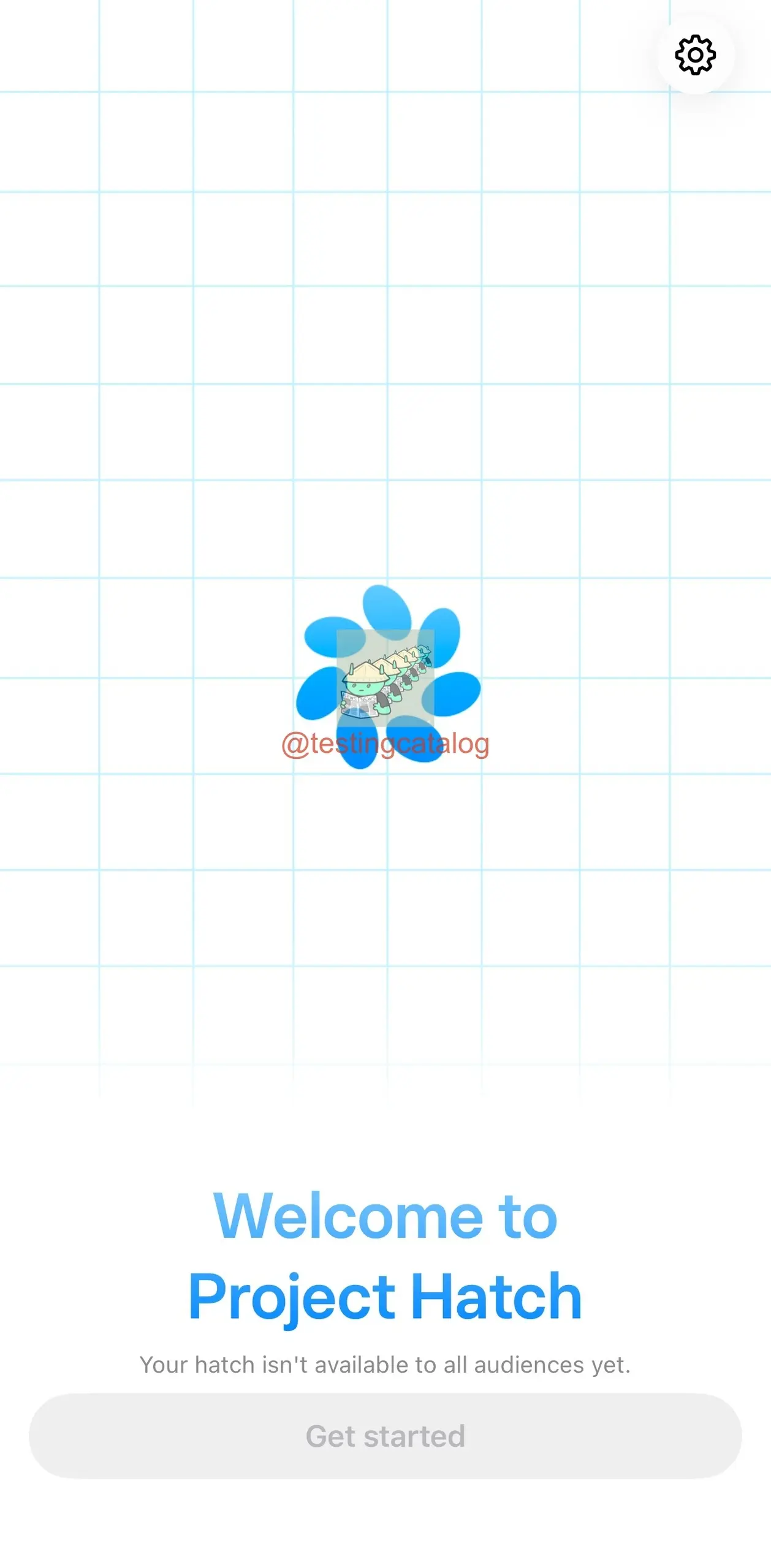
Meta has been testing Project Hatch internally as a standalone agent app on web, iOS and Android, with browser and computer use gated behind an approval flow, rather than as a feature inside Meta AI. The details come from unreleased product materials reviewed by Testing Catalog and summarized in a post on Threads.
At a glance
- Hatch agents run in dedicated cloud environments, which keeps sessions alive across devices, and they support long-running goals, scheduled recurring work, memory, a voice mode and Spaces for separating projects.
- Business Insider reported that internal testing has spread beyond Meta Superintelligence Labs and that subscription tiers as high as $199.99 per month have been considered, while Testing Catalog reports the iOS TestFlight build has reached version 4.
- The materials reference Messenger Companion and WhatsApp Companion, pointing to agents reachable inside Meta's messaging apps, alongside invite-code, waitlist, age-check, disclosure and NDA flows that would gate access.
Meta's consumer AI has so far lived inside its existing apps. Hatch appears to break that pattern: a separate client on three platforms, its own cloud runtime and its own subscription tier read as an attempt to build an agent platform instead of another assistant surface. The Messenger and WhatsApp hooks are the part rivals have no equivalent of, since distribution, not capability, is where Meta's edge over Codex-style products has always sat.
Onboarding runs in three stages, from connectors to agent identity
The materials describe a personal workspace organized into dedicated areas for conversations, goals, ideas, updates and a personal library, where long-running projects can be created, recurring work scheduled and results saved into separate Spaces. Completed research and generated files remain available later.
Onboarding has three stages: connecting accounts, choosing initial tasks and designing the agent's identity, introduced with the lines “Hatch is better with connectors”, “Put your agent to work” and “Customize your agent”. Suggested tasks, names, personalities and avatars appear tailored to each account, and users can edit the name, pick a behaviour and replace the avatar.
Users appear able to create multiple agents and to share them: shared-agent controls in the materials suggest specialized assistants can be reused or distributed. Hatched agents receive generated avatars, and the product also includes identity verification and basic chat themes.
Business Insider reported subscription tiers as high as $199.99 per month
Business Insider reported that Meta expanded internal testing beyond its Superintelligence Labs and described Hatch as a personal agent that keeps working on a user's behalf after its app is closed. Subscription tiers have been considered, including a premium plan at $199.99 per month.
Previously disclosed examples cover filling out forms, making purchases, deep research, ordering food, booking restaurants and finding a dog sitter. Hatch connects directly with email, calendars, Spotify, Instagram and OpenTable, and asks for approval before sensitive actions. It is also expected to retain more personal context than typical assistants.
One employee's agent, named Veda, found a dog sitter, bought a Father's Day gift and helped change its owner's sleep habits. Early prototypes reportedly included a customizable dashboard where agents could create tools such as fitness trackers and travel itineraries.
Mobile onboarding references Apple TestFlight and the Google Play Store
Mobile onboarding explicitly references Apple TestFlight and the Google Play Store, indicating planned iPhone and Android access alongside the web product. Hatch can also prepare an encrypted private environment protected by a recovery PIN, used to unlock personal agent data on another device. Warning screens block normal use when the service cannot verify that the environment is protected.
Agents open websites, work with files and produce shareable artifacts, and larger assignments may be split among additional agents. The product carries dedicated experiences for voice, media, task progress, browser work and approvals, so several assignments can stay active at once while users review completed steps and intervene before consequential actions.
Meta AI already plans work, connects to email and calendars and performs multi-step actions, while Muse Spark was built around tool use, computer use and agentic tasks. Meta also recently released a macOS app. Testing Catalog reads Hatch as taking that foundation further into a dedicated agent platform.
September remains a plausible window
Testing Catalog calls September a plausible launch window but notes it is still unclear whether the desktop and mobile clients arrive together. Mentions of a waitlist suggest a gated initial rollout, and a first release may cover browser and computer use before the more advanced agent functionality follows. No launch date or final pricing has been announced.
Up next

GLM-5.3 weights land with a hyperscaler clause
Host GLM-5.3 and clear $10 billion in revenue over any 12 consecutive months, and Z.ai's new license makes you pass its security review before any commercial use. GLM-5.2 shipped under plain MIT.
Related stories
- A terminal, a file system and a browser for Muse
- Notion and Granola are first through Meta's Muse Connectors
- Meta AI's macOS app arrives with system-wide dictation
- Muse logs point to an OpenAI model behind one session
- Muse checks out with Shop Pay where Meta allows it
- Google Docs opens .md files without converting them
Comments
No comments yet. Be the first.
Join the conversation
Sign in to leave a comment. It appears after moderation.