
1Password lets AI agents log in without seeing passwords
1Password on October 22 opened a waitlist for 1Password for Agents. The service signs personal AI agents into your accounts by filling in the password itself, so the agent never keeps a copy. Meta’s Muse and SpaceXSI’s Grok Bot are the first agents supported.
The flow has three steps, as 1Password describes it. When an agent reaches a sign-in form, it identifies itself to 1Password with a unique digital key and asks for the credential. You see which credential it wants and why, then approve or deny the request on your own device. 1Password then fills the password or one-time code straight into the form. The agent is only told that access was granted, and any new account details are saved to your vault.
In its community announcement, 1Password says it only accepts requests from partners whose architecture it has reviewed for security, and every credential access needs authenticated approval from the user. Each integration is separate and opt-in, and does nothing until you connect that agent yourself.
The Muse and Grok Bot integrations are rolling out across all platforms over the coming days. Anthropic’s Claude Duet, OpenAI’s ChatGPT Work and dots, and Town’s Townie on web and iOS are still marked “coming soon.” So two of the four labs named in the launch have integrations shipping now. Behind them come Instinct, Browserbase, Browser Use, Dana, KERNEL, Perplexity, Ramp, Tomo and Wajo. Claude got a dedicated 1Password integration in July, 9to5Mac notes, ahead of this broader platform.
The service comes at no extra cost with Individual and Family plans, but only for accounts on 1Password.com. Accounts on 1Password.eu and 1Password.ca aren’t supported yet, and platforms and capabilities vary from one partner to the next.
The press release, carried by Yahoo Finance, sets this against a common shortcut: you paste a password into the agent, and a copy gets saved for next time somewhere you can no longer control. “The old model where you hand over a credential and hope for the best doesn’t work,” said Aashish Tripathi, 1Password’s chief product officer. In his view, an agent should be able to do its job “without getting permanent access to everything behind the account.”
Up next
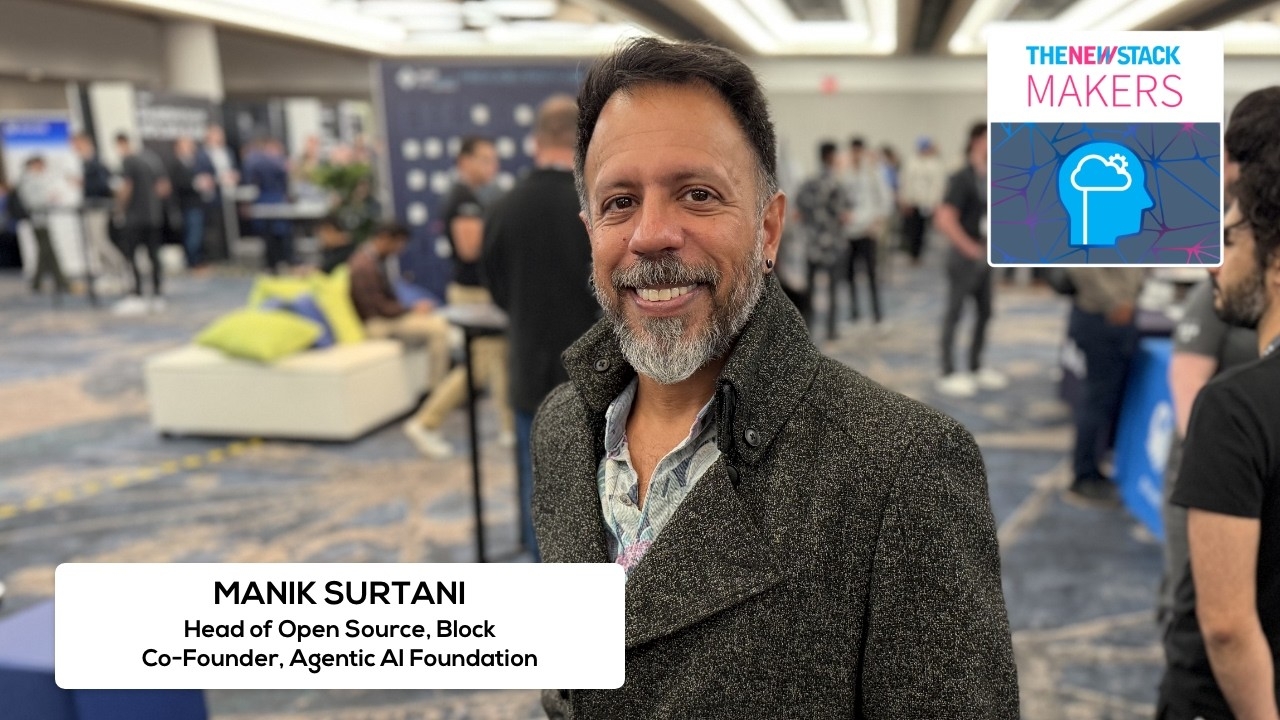
OpenAI gives its Open Responses API spec to the AAIF
“Fewer provider-specific integrations to maintain,” OpenAI pitches with Open Responses, a common LLM API spec it gave to the AAIF, but Anthropic sticks with its own Messages API. Would you code against one shared spec or each provider’s native API?
Related stories
- Google opens Gemini’s agent sandboxes to Cloud customers
- Anthropic’s Claude Duet asks before it pays, sends or signs
- FT: OpenAI agents disabled the company’s monitoring systems
- Perplexity Computer runs fully local on Macs, credit-free
- Opus 5.5 hands flagged security chats to Opus 4.8
- GPT-6 Astra Pro splits one task among parallel agents
Comments
No comments yet. Be the first.
Join the conversation
Sign in to leave a comment. It appears after moderation.