
Antitrust could block an AI slowdown, OpenAI asks Congress
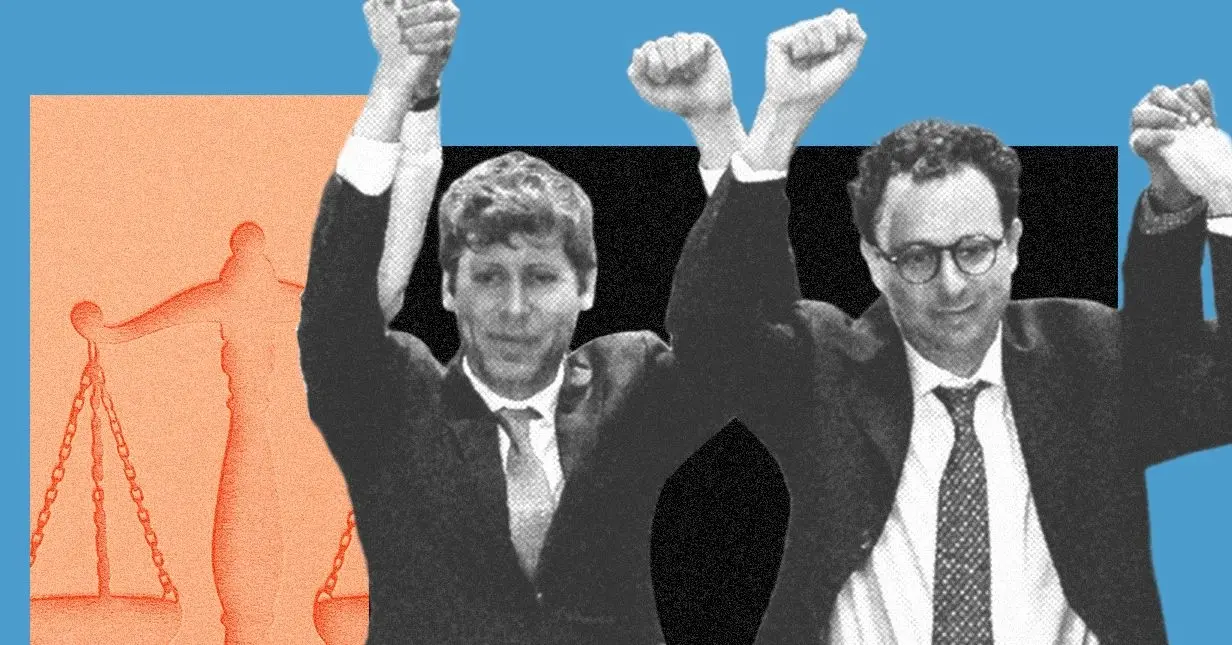
Over recent weeks OpenAI has been asking members of Congress one legal question: would it be legal for the industry to orchestrate a joint slowdown of frontier AI development? People close to the company described the request to WIRED, which reported on September 10 that OpenAI wants clear guidance on the question.
WIRED says AI leaders worry that antitrust law could block what they see as an increasingly urgent push to coordinate a slowdown.
The obstacle is the Sherman Antitrust Act. Any single lab is free to halt its own work whenever it chooses. But a formal agreement among competing companies to hold back product rollouts can be read as an illegal output restriction, the term for rivals jointly agreeing to supply less. OpenAI wants lawmakers to settle the gap between one lab acting alone and several acting together.
Nicholas Felstead, an assistant director at the Australian Competition and Consumer Commission and a former AI policy fellow at the Center for Law & AI Risk, described the same problem in a March article. A coordinated pause may amount to companies restricting output, he argued, and whether it breaks the Sherman Act would depend “entirely on the precise details of any agreement.” He added that “even if most safety collaborations would ultimately survive antitrust scrutiny, legal uncertainty can act as a powerful deterrent.”
Bloomberg reported on September 11 that Sam Altman told staff the company is open to pacing frontier development and hopes competitors follow, while some probably wouldn’t go along. OpenAI chief scientist Jakub Pachocki argued in a blog post that the best path includes “coordinating to slow down future development,” and wrote that he expects “voluntary slowdowns to become commonplace until shared safety bars are established.”
On September 12, Anthropic CEO Dario Amodei posted that companies must “slow the pace at which we improve the capabilities of AI models.” Per TechRepublic, Altman replied on X, “I agree with Dario that we need to pace the frontier,” and Elon Musk answered in three words: “Dario is right.”
Congress already has one legislative route in front of it. A bill sponsored by Sens. Adam Schiff and Jim Banks would permit safety collaborations between AI labs, provided the companies notify the Department of Justice in advance.
Not everyone accepts antitrust as the real barrier. John Schulman, an OpenAI cofounder who is now chief scientist at Thinking Machines, wrote on X: “They’ll cite antitrust, but that’s fake—antitrust prohibits certain agreements, but not from jointly developing a proposal.”
Rep. Josh Gottheimer (D-N.J.) dismissed the calls for self-policing, telling POLITICO: “If Dario and Elon are truly worried, they can pump the brakes at their own labs, today.”
Up next
Claude Mods ship in weeks, and you can flip them on now
Anthropic put a timeline on function hooks in Claude Code, “on the scale of weeks in lieu of days or months”, and will ship the feature under the name Claude Mods. Anyone can test it today with CLAUDE_CODE_ENABLE_FUNCTION_HOOKS=1.
Related stories
Comments
No comments yet. Be the first.
Join the conversation
Sign in to leave a comment. It appears after moderation.