
OpenAI Is Quietly Testing an $8 Pay-to-Reset Quota Feature
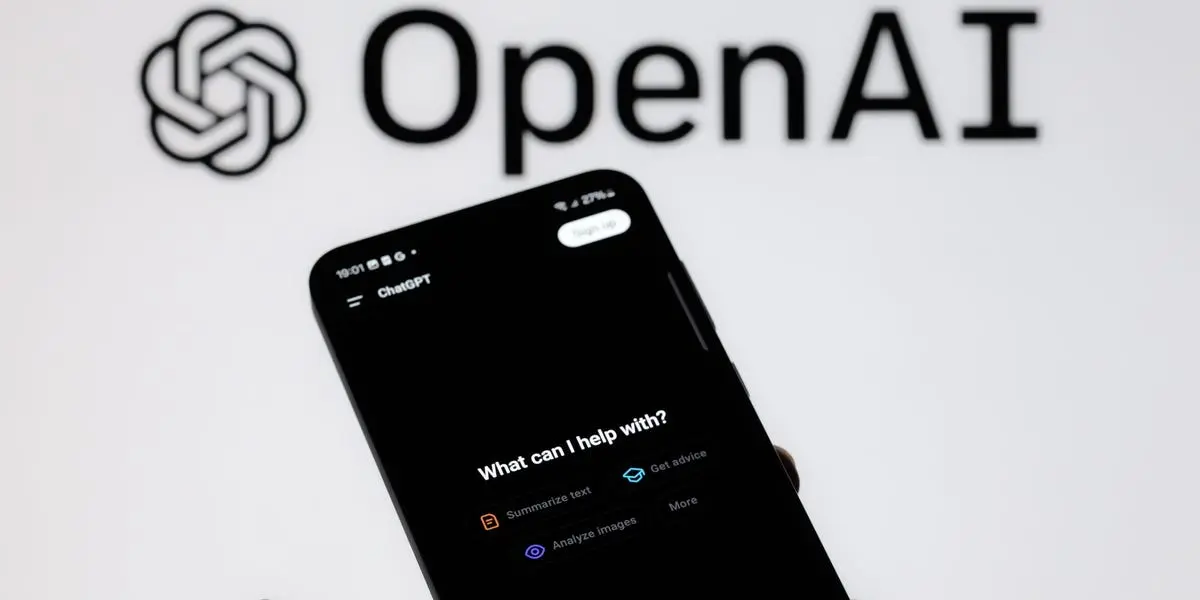
OpenAI is testing a paid quota reset in ChatGPT: some Plus subscribers on the $20 monthly plan who exhausted their weekly usage were shown a black button offering a full reset for $8. The feature was not formally announced before users spotted it, and Business Insider reported the button after a subscriber described it in the ChatGPT forum.
At a glance
- The button appears to Plus subscribers who have exhausted their weekly caps mid-cycle, offering a one-off purchase as an alternative to waiting for the quota to renew on its own.
- A subscriber posted in the ChatGPT forum on Monday that a black pay-to-reset button appeared at login once the weekly usage quota had been maxed out on the $20 plan.
- An OpenAI spokesperson told Business Insider the company is exploring ways for some users who hit their quotas to buy additional usage, framing it as part of making its products more accessible.
Why it matters The button reads as a metered upsell bolted onto a flat subscription: instead of moving to a higher tier, a Plus subscriber pays per exhausted week. It also appears in the middle of a giveaway stretch from both OpenAI and Anthropic, which suggests the two labs are still competing for coding workflows on price and generosity rather than defending margins.
The reset restores usage to 100% and moves the weekly renewal seven days out
According to Codex, a full reset renews the applicable weekly quota and eliminates the waiting period, typically five hours, before the quota renews on its own. A reset immediately restores a user's depleted AI usage to 100%. A manual banked reset clears the current weekly caps and moves the weekly reset date to roughly seven days after redemption.
Paying is not required: a subscriber who declines the offer simply waits out the period until the quota renews on its normal rolling schedule. Business Insider notes the $8 option could represent a significant saving relative to professional plans, which can run about $25 to $50 a week.
Codex and Claude Code leads traded swipes before a blanket reset for paid users
On Sunday, OpenAI's head of Codex, Thibault Sottiaux, and Anthropic's head of Claude Code, Boris Cherny, exchanged jabs after a user mixed up the labs and tagged Sottiaux in a complaint about an Anthropic account. Sottiaux said he does not work at Anthropic, and Cherny replied that Anthropic is hiring if he wanted to switch.
Sottiaux then called GPT-5.6 Sol awesome and said that, to mark both the model and the fact that he is not going anywhere, he had reset usage limits for all paid users of ChatGPT Work and Codex. The exchange came a day before the forum post describing the paid button.
In May, OpenAI offered two months of free Codex and Anthropic raised Claude Code limits by 50%
In May, Sam Altman posted on X that Codex is the best AI coding product and that OpenAI wanted to make it easy to try, adding that businesses signing up within 30 days would get two months of free Codex usage. Less than an hour later, Anthropic said it was raising Claude Code's weekly limits by 50% until July 13 for Pro, Max, Team and seat-based Enterprise users.
OpenAI introduced banked Codex resets in June for eligible Plus and Pro users, including one free reset at launch and further resets earned through referrals. Beyond coding tools, it has given college students free access to ChatGPT Plus, while Anthropic has offered Claude users promotional credits and, in some cases, substantial free usage.
What's next The test's scope remains unclear: no rollout timetable, eligibility rules or purchase limits have been published, and OpenAI has framed the feature only as an exploration of letting some users who hit their quotas buy more. The free levers stay in place: banked resets earned through referrals remain the unpaid route for eligible Plus and Pro users, and waiting out the rolling schedule still costs nothing.
Up next
OpenAI's Daybreak Red and Blue land in Amazon Bedrock
OpenAI's cyber-specialized models Daybreak Blue and Daybreak Red are live in Amazon Bedrock, so enterprises can run them inside their own AWS environments. Blue covers frontier general models including GPT-5.6 Sol. Access requires an approved Daybreak Access application.
Related stories
- ChatGPT Business Premium seats go out at $100 a month
- Codex will spend a saved limit reset, but only when asked
- GPT-6.1 Sol gets 8x speed at $60 per million output tokens
- Codex reset hunters lose Day 1 to a 50% speedup
- OpenAI's Dots run free until they open a Codex task
- OpenAI cuts $200 Pro usage in half, adds a $500 tier
Comments
No comments yet. Be the first.
Join the conversation
Sign in with Google to leave a comment. Your name and avatar come from your Google profile, and the comment appears after moderation.