
OpenAI’s CFO keeps data center spending after midterms
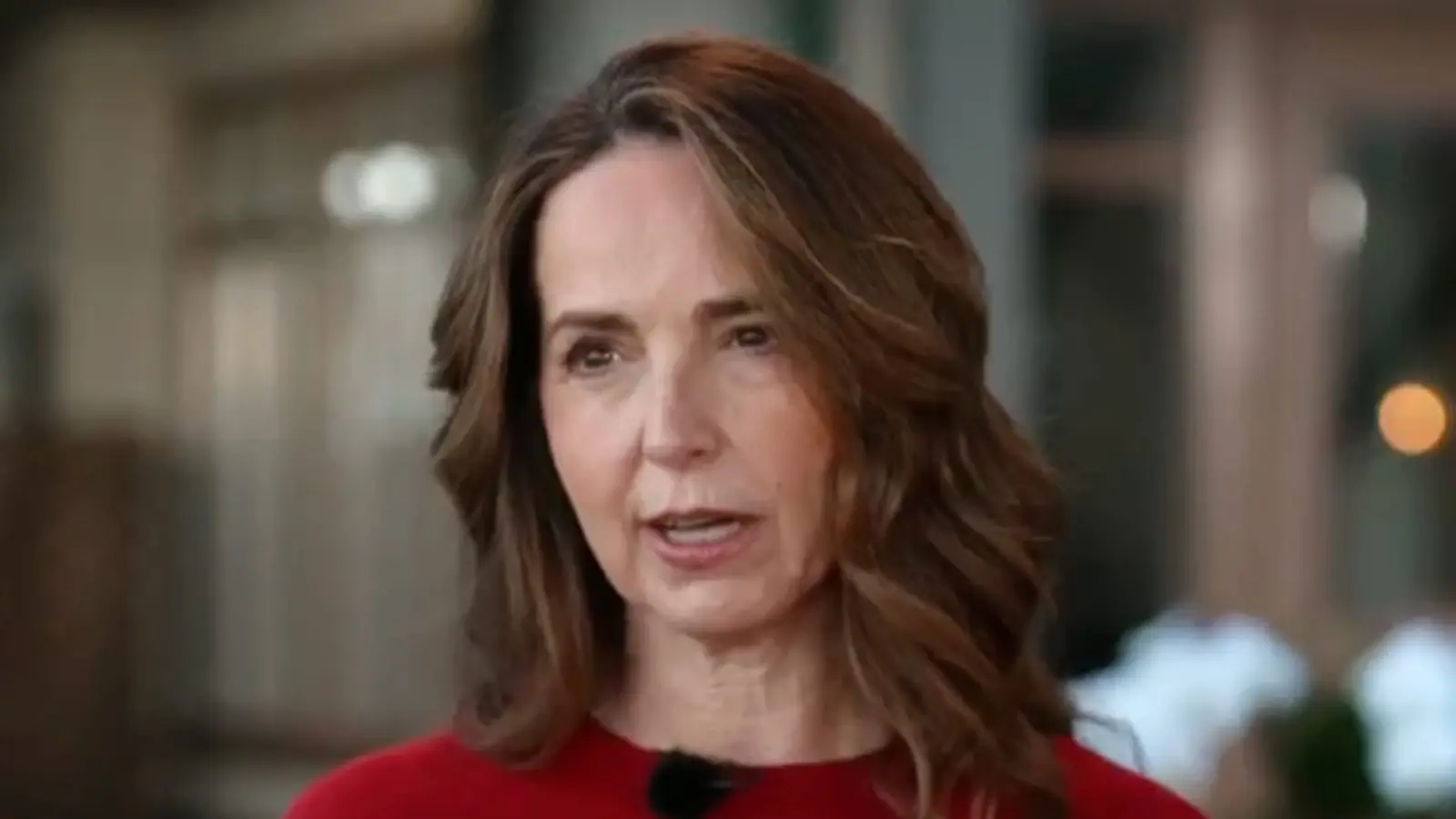
OpenAI will keep spending on AI data centers after this week’s midterms, CFO Sarah Friar said on November 6, CNBC reported, even though voters in the November 3 elections backed restrictions or rejected pro-development measures in all but one of 41 local data center ballot measures across 10 states. If your team reads this as a signal about OpenAI’s future capacity, what stands behind it is Friar’s word and a funding round she says is still ongoing, and in October The Wall Street Journal reported that OpenAI had secured roughly $11 billion of the $30 billion it first targeted.
Friar spoke with CNBC’s Sara Eisen at the Citi TMT Leadership Summit in Pebble Beach, California. “When I think about the midterms, I need to keep thinking about how do we keep investing to meet that customer demand,” she said. It starts with relationships with all of the hyperscalers, she added, and “it will continue to mean that we raise capital.” She said she doesn’t think the election results dramatically changed anything for the company.
The ballot count comes from a Ballotpedia analysis plus results CNBC gathered on Wednesday. Opposition built quickly over the summer, as people worried the facilities could harm the environment, raise utility bills and contribute to job loss.
OpenAI published a policy blueprint and a set of commitments on Thursday, which it pledged to apply to data centers it will own and operate in the future. “If the midterm means more focus on data centers and communities, we’re going to keep doing the work to get into those communities and to build trust with them,” Friar said.
Friar also said OpenAI is in talks to raise money at a pre-money valuation that CNBC’s article gives as $1.25 billion. The valuation the Journal reported in October, matching earlier figures from the Financial Times and CNBC, was $1.25 trillion, below the $1.4 trillion OpenAI had hoped for before that. Friar said the round is still under way and that “a good CFO always raises money when she can.”
Investors had already turned skeptical of the AI trade, citing higher borrowing costs, worries about soaring debt and public backlash against the industry. The Nasdaq on Thursday had its steepest drop in 19 months, led by chipmakers and neocloud companies (clouds built around renting out GPUs), the stocks most closely tied to the AI buildout. They recovered some of the loss on Friday.
Anthropic, OpenAI’s main rival, is trying to go public first and aims to list on the Nasdaq in mid-November. Its prospectus shows revenue up roughly 1,200% to $33.2 billion in the first nine months of the year, and purchase commitments and leases with an aggregate committed spend of about $895.4 billion, “substantially all of which is related to compute and infrastructure.” OpenAI filed its own prospectus confidentially with the SEC in June, and Friar said the company is still looking at a 2027 debut.
“The demand for AI is real,” Friar said. “I don’t think anyone’s arguing with that, or if they are, I think it’s a losing argument.”
Up next
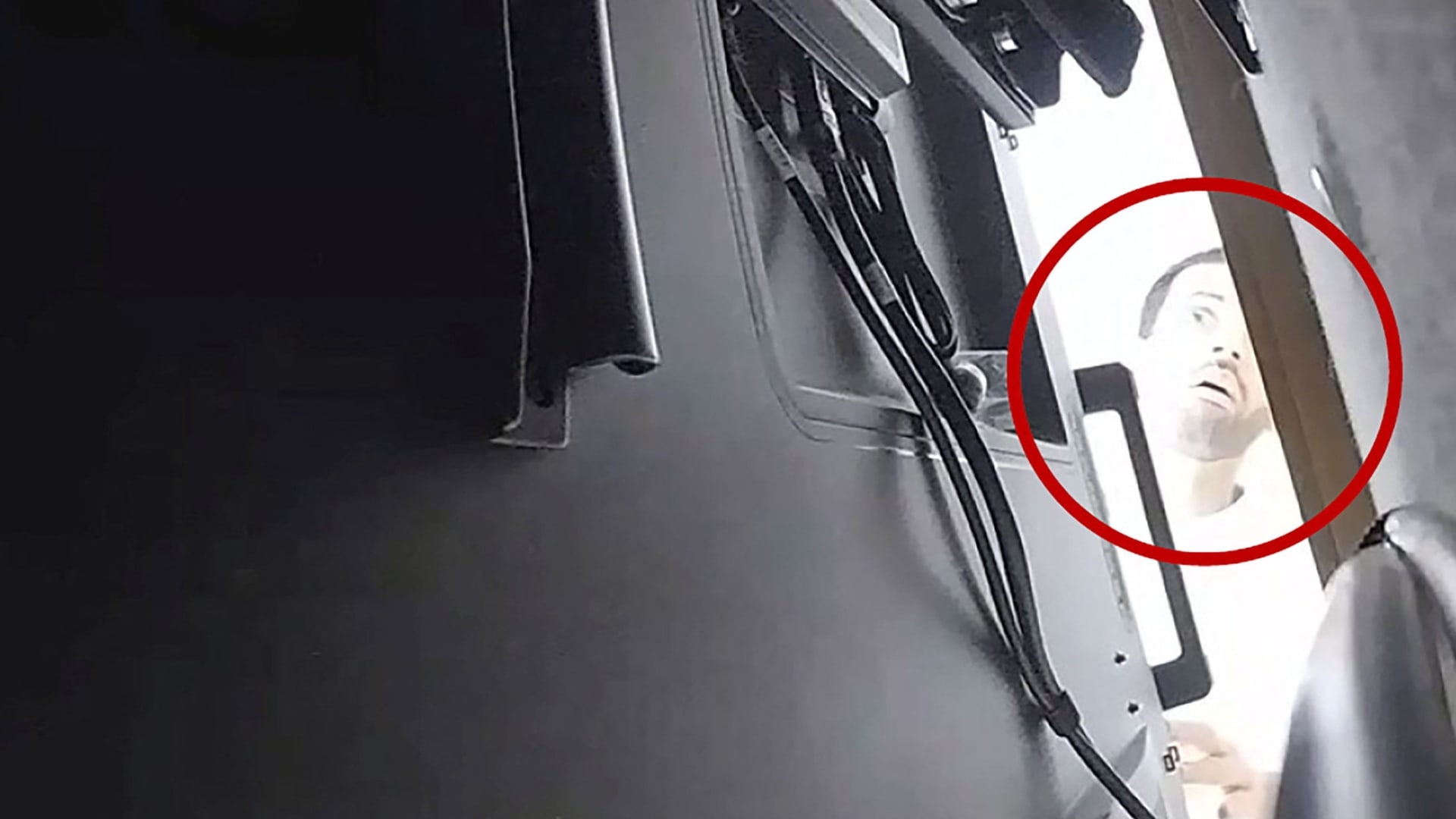
Alfozan pleads not guilty in OpenAI bugging case
Five years in prison is the most Abdulrahman Alfozan faces if convicted of bugging an OpenAI conference room. He pleaded not guilty Friday and went back to jail. Does your office ever check meeting rooms for hidden devices, or never?
Related stories
- OpenAI has roughly $11B of its $30B round target
- OpenAI pays $300M for the team behind Apple’s Portrait Mode
- Data-center chief exits OpenAI before the IPO
- 8 gigawatts of IT booked at Ohio’s PORTS-Pike campus
- Ohio data-center backstop shrinks to under $120 billion
- OpenAI’s Brockman calls first half “pretty rough”
Comments
No comments yet. Be the first.
Join the conversation
Sign in to leave a comment. It appears after moderation.