
Ads inside ChatGPT hit $1B annualized run rate
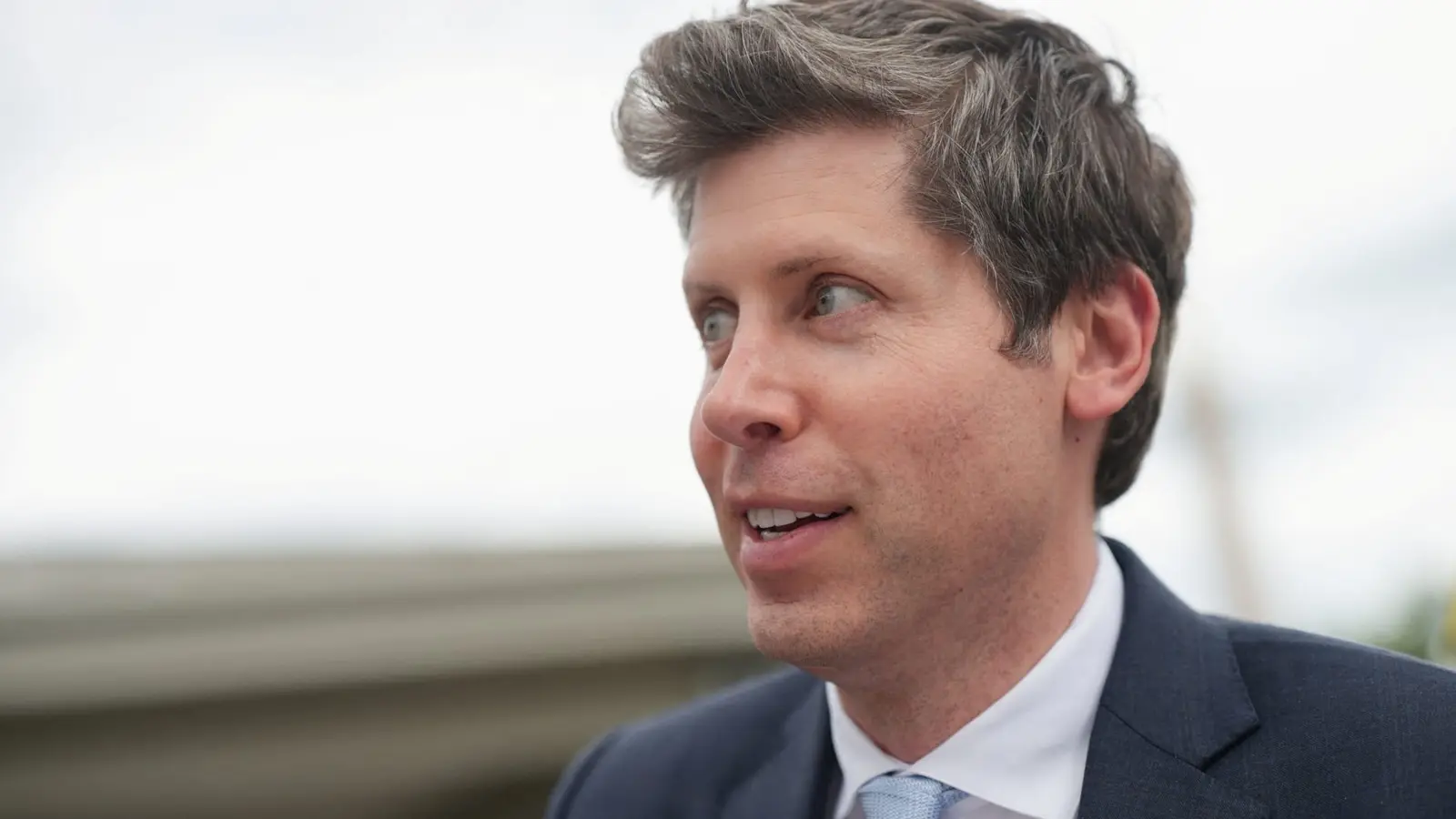
OpenAI said on August 31 that advertising in ChatGPT now brings in revenue at an annualized run rate of $1 billion, roughly 200 days after the first ads appeared in the U.S. On the same day it opened self-service ad buying across India, Europe, the Middle East and North Africa.
In OpenAI’s announcement, the ad money is framed as a way to fund free and low-cost access to AI. CNBC reported that the company also calls the milestone proof of a “diversified business model”, one that adds a fourth revenue line to enterprise sales, consumer subscriptions and usage-based APIs. ChatGPT Ads now run in more than 40 countries.
Only two groups see the ads: Go subscribers and the free tier, and the free tier accounts for the vast majority of ChatGPT’s 1 billion weekly active users. A $1 billion annual pace works out to about $250 million a quarter. Total revenue for the three months ended in June was $6.7 billion, by the figure OpenAI gave investors, so ads come to under 4% of that, though the two periods don’t line up. The figure lands while OpenAI prepares for an IPO and investors weigh its $852 billion valuation.
Each ad sits at the bottom of a response and appears only when a sponsored product or service relates to the conversation in progress. Ads are labeled, look different from the answer, and can be dismissed. Users can see why a particular ad was shown and turn personalization off. Nobody under 18 gets ads, and none run next to sensitive or regulated topics such as health, mental health and politics. The Plus, Pro, Business, Enterprise and Education plans have no ads. OpenAI says ads do not influence ChatGPT’s answers and advertisers cannot see private conversations.
During the U.S. tests, OpenAI picked ads based on the topic of the conversation, the user’s past chats and how they had interacted with ads before, TechCrunch reported. Advertisers got only aggregate numbers such as views and clicks, and users could view and clear their history of ad interactions. The same outlet noted that OpenAI had already drawn a backlash late in 2025 over app suggestions that looked like unwanted ads.
The road to the $1 billion figure:
- January 16: OpenAI announces it will test ads for Free and Go users in the U.S. “in the coming weeks”, alongside the U.S. launch of ChatGPT Go at $8 per month.
- February 9: the U.S. pilot goes live for Free and Go users, per TechCrunch.
- August: an email tells Free and Go users that ads may appear later that month. At launch these ads are not personalized: selection uses the current conversation topic plus general location and device type, without past chats or memories.
- August: OpenAI says Free and Go users in 31 European countries will start seeing ads the following week.
- August 31: the $1 billion run rate is announced, and self-service buying opens in India, Europe, the Middle East and North Africa.
The ad push also became a target for OpenAI’s competitors. Anthropic built its first Super Bowl campaign around it, with TV spots that aired the Sunday before the February pilot and mocked badly integrated ads in AI chatbots. TechCrunch reported that Sam Altman called the commercials “dishonest” and called Anthropic an “authoritarian company.”
OpenAI says more formats are coming. “Our next phase of growth will bring ChatGPT Ads to more markets and introduce additional formats, objectives, buying options, and measurement capabilities,” the company said, adding that it will “explore new ways for businesses to interact with consumers in more native ways in ChatGPT.”
Up next
GitHub report: Codex memory sends chats cross-provider
“Private data was transferred out of the provider boundary I selected,” says a GitHub report on Codex Memories, which claims a chat run through a local provider ended up in an OpenAI request with analytics disabled.
Related stories
- ChatGPT ads cross into 31 European countries
- Ads arrive on ChatGPT Free and Go plans this month
- OpenAI’s ChatGPT ads hit a $1B run rate in under 200 days
- Ramp sees AI token spend grow 1.5% after July’s 42%
- OpenAI trims round goal to $20B after $11B first close
- OpenAI’s CFO keeps data center spending after midterms
Comments
No comments yet. Be the first.
Join the conversation
Sign in to leave a comment. It appears after moderation.