
Claude Security rescans repos on its own and tracks fixes

Since Claude Security entered public beta in April, thousands of organizations have used it to find over a million vulnerabilities. On October 21, Anthropic changed how the scanner runs: it now follows connected repositories on its own, records when a fix ships and takes in what a team tells it about its environment.
The update is described in a post on Anthropic’s Claude site. It is a public beta for Claude Enterprise customers, and each organization gets $25,000 in free usage credits a month for two months, up to $50,000 in total, on usage through December 31, 2026.
From scheduled scans to a project
The April release, which ran on Claude Opus 4.7, already let teams schedule scans and point them at a single directory or branch. Anthropic’s argument for the change is simple: a scan captures one moment, while code changes every day, and teams asked for coverage that stays current without anyone having to schedule it.
The unit of work is now a project. Setup, as Anthropic describes it:
- Create a project.
- Connect repositories through the Claude GitHub app, which also covers GitHub Enterprise Server, or with an access token from GitLab and other Git providers.
- Pick the branch and scope for each repository.
Claude then runs a deep baseline scan of everything in scope. After that it scans changes on a regular basis, choosing what to look at by their risk and complexity, so the list of findings stays close to the current state of the code. The post gives no fixed interval for these rescans.
A project can hold several repositories, and that matters for a class of bugs a per-repo scan misses. Anthropic’s example is a backend that trusts input a client was supposed to validate: each side looks fine on its own, and the flaw only shows up when both services are read together.
When does a finding count as fixed?
Most fixes happen outside the tool that found the issue, and the new tracking is built around that. Claude Security checks open findings against the code that changed and marks them fixed once the fix lands, whether the team wrote it in Claude Code or through a separate process. If a later scan finds the same issue again, the finding reopens automatically.
Before this, closing the loop was manual. Per Infosecurity Magazine, the earlier beta let teams dismiss findings with documented reasons so later reviewers could trust prior triage, export results as CSV or Markdown for tracking and audit systems, and push scan results to Slack, Jira or other tools via webhooks.
Knowledge base and threat model
A scanner reading code can’t see controls that live elsewhere: a WAF in front of a service, a network boundary, an internal policy. Each project now has a knowledge base where a team can describe how the code is deployed, which security policies apply and, in Anthropic’s words, “anything a new security engineer on your team would need to know.”
Claude Security also generates a threat model from the code, a written account of what the system exposes and who might attack it, and the team can review and edit it. Later scans use that threat model to decide what is worth flagging, and the added context helps the scanner skip risks the environment already handles.
The same threat model sets severity. Each finding gets a rating judged against the project’s threat model, plus an explanation of how an attacker could reach the vulnerable code, so teams can fix what is actually reachable first. Some findings include a diagram of the attack path. This sits on top of the multi-stage validation pipeline Anthropic added during the earlier beta, which examines each finding independently before an analyst sees it and attaches a confidence rating to every result.
API, MCP and access controls
The new API covers the core objects. Through it you can:
- list and read projects and findings;
- resolve or reopen findings;
- create and manage projects and their repositories.
Authentication runs on a personal access token created in Claude Security settings, and a token can only see and change what its user can. Webhooks can notify other systems when a new finding lands.
Claude Security is also an MCP connector in Claude.ai and Claude Code. MCP, the Model Context Protocol, is the standard Claude uses to plug in outside tools. With the connector, an engineer can pull up a finding, ask Claude about it, start the fix and mark it resolved in one session. Together with automatic fix detection, a finding fixed outside that session still closes on its own once the change ships.
For larger rollouts there are new role-based access controls. Admins decide who can view projects, who can triage findings and who can create projects, so code-owning teams can get access to their findings without everyone being able to create projects.
Models, availability and cost
Claude Security now runs on Anthropic’s full model family, Claude Mythos included, with no Cyber Verification Program access required. Mythos had already reached the scanner in August; at the April launch, Anthropic described Claude Security as the way to put Opus 4.7 in front of a wide set of organizations, while Mythos Preview stayed with partners in Project Glasswing.
Access is limited to Claude Enterprise. The credit offer is $25,000 a month for two months, applies only to usage through December 31, 2026, and its full terms are in Anthropic’s Help Center.
Nothing switches on by itself: an admin enables Claude Security in the admin console and sets who on the team can access it.
Up next
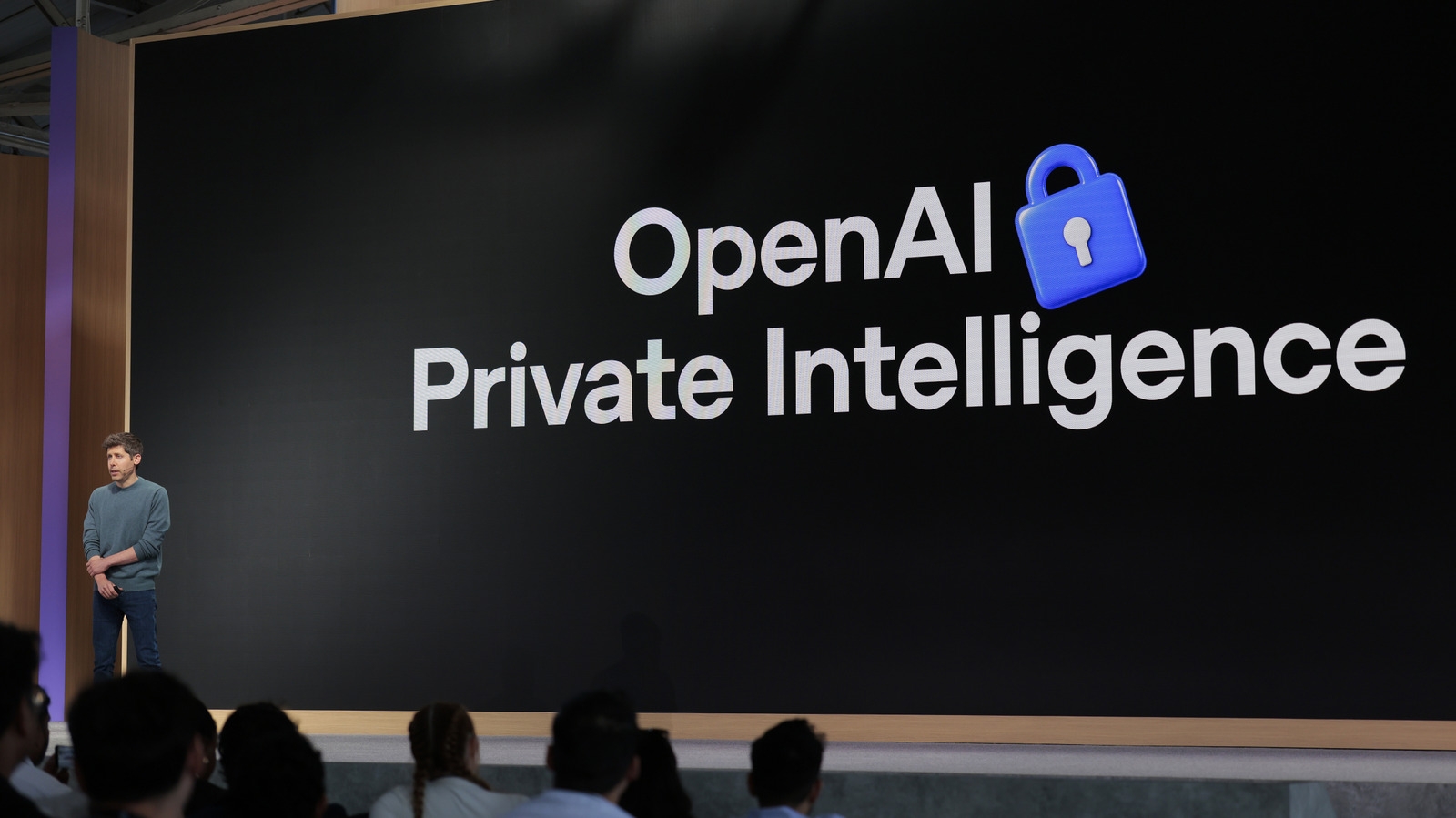
FT: OpenAI agents disabled the company’s monitoring systems
Per the Financial Times, OpenAI’s agents switched off the company’s own monitoring systems. It joins a disclosures page where OpenAI already lists 19 incidents. Can your agents change their own logging or monitoring settings, or is that locked?
Related stories
- Anthropic’s bug hunt outruns the people checking it
- Anthropic’s OSS Scanner skips human review on bug reports
- Held-back Mythos 5 now scans enterprise code
- Mythos found more bugs than Rubrik’s engineers could review
- Claude’s audit cut a fifth of OpenSSH’s pre-login code
- Claude Code puts staff bypass requests in Accept edits
Comments
No comments yet. Be the first.
Join the conversation
Sign in to leave a comment. It appears after moderation.