
Claude vouches for Team and Enterprise users at plugin login
ClaudeDevs said on November 3 that Claude Team and Enterprise members can now have plugins connect automatically when they log in. The feature is in beta and works only where the plugin’s MCP server accepts Claude as a trusted issuer. A server that does is trusting a token that vouches only for current membership in a Claude organization, with no SSO sign-in, MFA or groups behind it, so matching users and cutting off leavers stay on the server’s side.
The beta builds on Enterprise-managed auth (EMA), which reached general availability on August 24. EMA lets admins connect plugins for a whole organization through their identity provider, and it runs on an open extension to MCP. In the new mode Claude signs the identity assertion itself, under an issuer URL of the form https://identity.anthropic.com/issuers/<issuer-id>. The ID differs for each Claude organization and isn’t the org’s ID. After an admin sets it up for a plugin, eligible members connect without a separate sign-in. Anthropic’s Help Center lists 14 services in the beta, Atlassian, Datadog, Figma, Linear, Notion and Supabase among them.
What the server has to handle
Anthropic’s builder guide describes the token as a JWT signed with ES256 that expires within a minute. It carries the Claude account’s email in lowercase and a sub that changes from issuer to issuer. That sub doesn’t match the subject a product receives through SSO, so the guide says to look users up by email. The open extension says the opposite: sub first, with email as the fallback.
Each customer workspace should be bound to exactly one trusted issuer. Issuer URLs aren’t secret, and someone can register another customer’s URL in a workspace they control, so the guide ties sign-in to verified emails or domains. Claude registers as a public client through its client ID metadata document, and clients created through Dynamic Client Registration don’t work with EMA.
Offboarding has a gap. When someone is removed from the Claude organization, Claude stops signing for them, but access tokens the server already issued stay valid until they expire. Anthropic tells admins to remove the person from the connected service as well. The MCP extension promises revocation “taking effect immediately across all MCP clients”; with Claude as the issuer, revocation is only as fast as the plugin’s own token lifetime.
Our analysis
What we checked
On November 4 we read Anthropic’s builder guide and Help Center, the MCP extension page and the ClaudeDevs thread, and compared the guide with its September 17 Wayback Machine capture.
The thread presents Claude as the fallback for organizations whose identity provider doesn’t support EMA. The guide sets a stricter line. Claude-issued sign-in needs no identity provider or SSO at all, and it isn’t offered to organizations that sign in to Claude through Okta, which is so far the only provider that IdP-managed setup supports.
- The 14 names come from the Help Center. They are the subset of 21 EMA connectors that support Claude-issued sign-in.
- The September 17 copy of the guide never mentions Claude-issued assertions and asks for a per-tenant allowlist of trusted issuers. The one-issuer-per-workspace rule arrived after that capture.
Up next
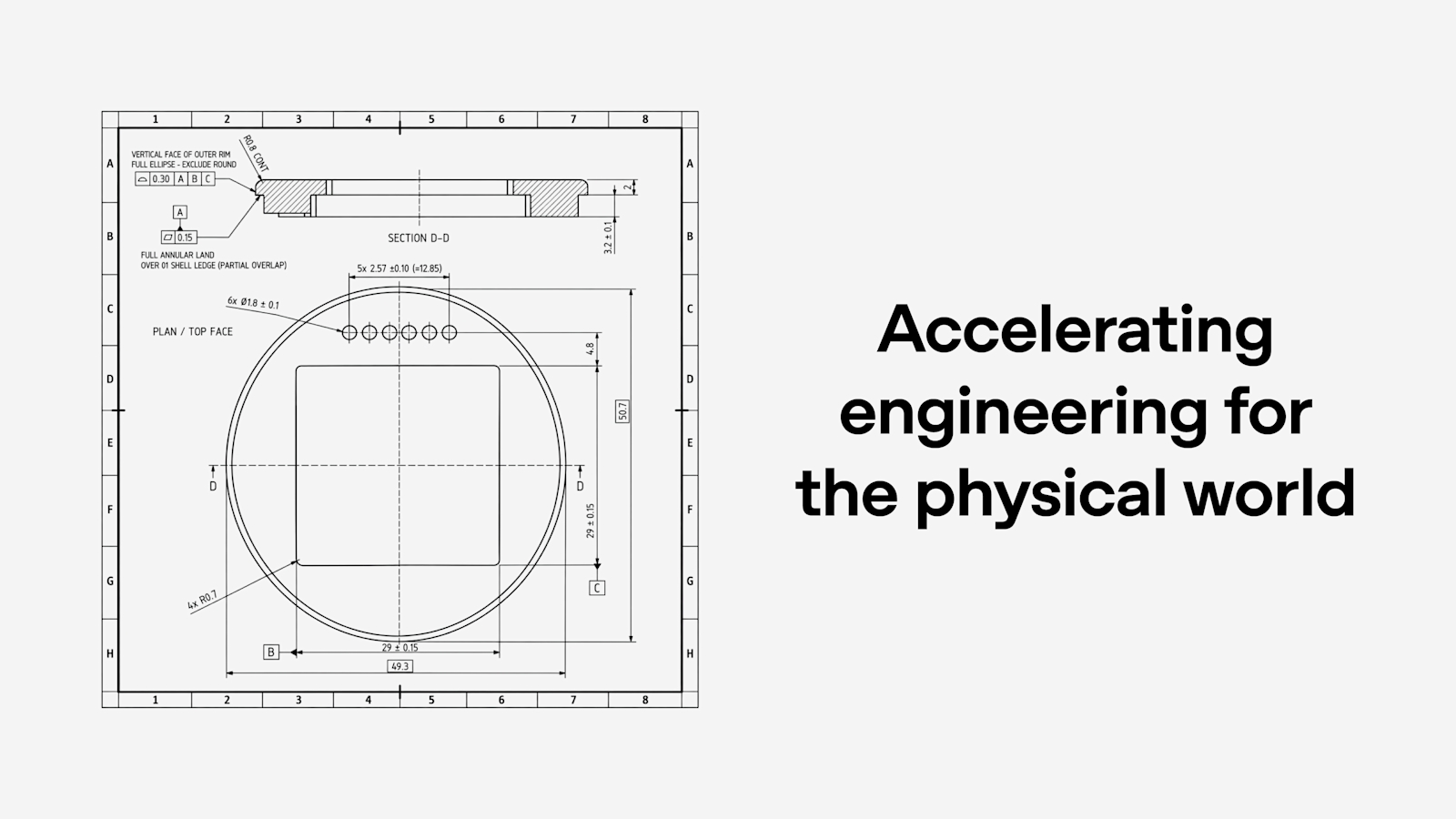
GPT-6 Astra designed a Codex device in under a week
GPT-6 Astra designed the enclosure, circuit board and firmware of a working device with no direct human edits, but it didn’t consistently respect the manufacturer’s tolerances. Has an AI-made design or drawing of yours ever failed a manufacturer’s check?
Related stories
- MCP connectors get central auth on Team and Enterprise
- Anthropic’s Claude Duet asks before it pays, sends or signs
- Shopping and merchant agent templates land on GitHub
- Five agent tools land on Claude in Microsoft Foundry
- Goldman Sachs pulls Claude Code from traders and bankers
- Mistral Studio adds managed agents and one-command deploy
Comments
No comments yet. Be the first.
Join the conversation
Sign in to leave a comment. It appears after moderation.