
Codex runs OpenAI workflows through Runme

An OpenAI engineer has moved model evaluation work into Runme, an open-source browser notebook in which Codex reads a goal cell, writes its plan and waits for human approval before running anything. The workflow is described on OpenAI's developer blog.
At a glance
- Codex reads the goal cell, writes its plan into the same notebook and waits for approval before executing, then documents each command, its output and the interpretation of the results.
- Runme is a client-side static web application supporting Markdown, code and HTML cells; it saves notebooks to Google Drive and writes a companion Markdown index file named *.index.md for each one.
- Agents reach the application through WebMCP, which registers browser-side tools for reading instructions, running bounded JavaScript against notebook content and reading documentation, avoiding a server built solely for an MCP endpoint.
The pattern reads less like agent autonomy and more like a documentation problem solved sideways. The context that would make the next evaluation cheaper already exists in terminal history, Slack, runbooks and dashboards, but writing it down has always competed with doing the work itself. Pushing execution to Codex while keeping plan approval with the engineer appears to turn the record into a by-product of the run rather than a separate chore performed afterwards.
The goal cell sets the task and Codex waits for approval before running
The engineer creates a Runme notebook and writes a short outline in one cell: run the evaluation against the current model, review a previous run to understand the workflow, write a detailed plan in the notebook, and wait for review and approval before beginning.
Codex is then asked to treat that cell as its goal, write the plan into the notebook and hold until it is approved. OpenAI's post describes the useful human contribution as choosing between alternatives: which evaluation system to use, whether to provision new infrastructure, or whether existing resources will do the job.
While Codex works, progress is monitored, sometimes from a phone, with an occasional nudge when the run stalls. If a development environment cannot be provisioned because a quota is exhausted, the suggestion may be to reuse an existing environment or look for another approved option.
Runme saves notebooks to Google Drive and writes an *.index.md companion file
Runme is an open-source web application for building notebooks with Codex. Like Jupyter and Colab it handles Markdown, code cells and HTML, so one document can combine instructions, commands, results, tables and charts. Notebooks save directly to Google Drive, which keeps the artifacts in a repository colleagues already use.
For every notebook Runme also writes a companion Markdown file named *.index.md. Google Drive can index that file, which makes earlier notebooks discoverable to an agent looking for examples, operational context or the outcome of a previous run when it starts a new one.
What a run leaves behind is a notebook documenting the steps required to finish the task along with the dead ends, plus the decisions that would otherwise disappear into a conversation: why one option was chosen, which approach is now preferred, and what to do differently next time.
WebMCP keeps Runme's tools in the browser instead of behind an MCP server
Agents interact with Runme through WebMCP. When the application loads it registers browser-side tools that let an agent read instructions for working with Runme and its notebooks, run bounded JavaScript programs that read or update notebook content, and read the application's documentation.
OpenAI's post gives the reason: Runme is a client-side application served as a static website, and adding a server solely to expose a traditional MCP endpoint would introduce extra infrastructure, more operational complexity, and a change in where notebook data is handled.
Within a run, a persistent goal keeps Codex focused on the task, and automatic approval review can review eligible actions without changing existing permission boundaries. The engineer still decides when a plan is ready and when a consequential choice needs human judgment.
No adoption numbers given
The post carries no figures for how many teams inside OpenAI work this way, no count of evaluations run through Runme, and no release milestone for the open-source project. Its framing stays personal: cloud infrastructure and Kubernetes were meant to make operating software easier and instead added the tool sprawl catalogued in the CNCF landscape, which is the repetitive work Codex is being pointed at.
Up next
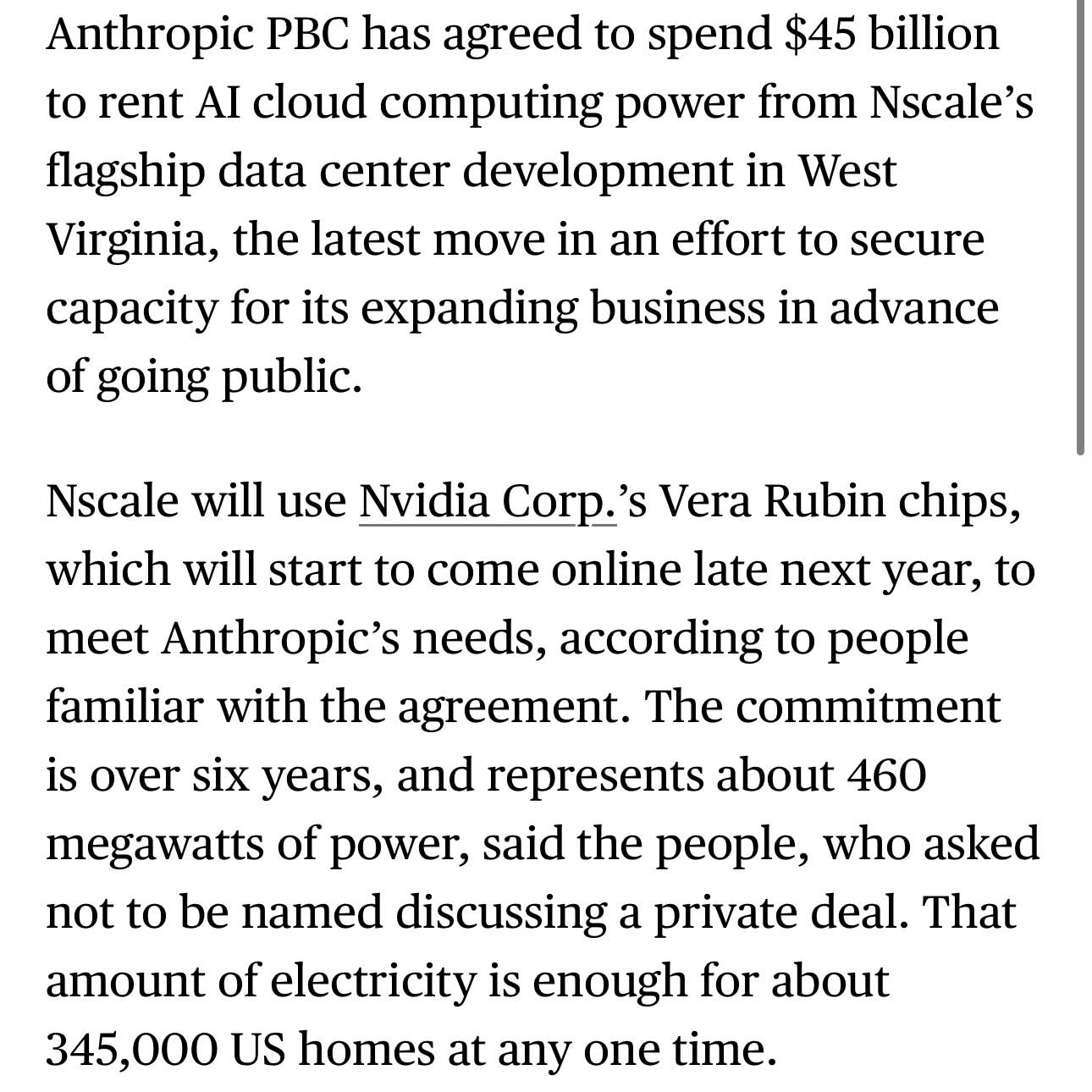
Anthropic books $45B in Nscale compute
At Nscale’s West Virginia data center, Anthropic will use about 460MW of power for AI cloud computing. Bloomberg says Nvidia’s Vera Rubin chips start coming online late next year.
Related stories
- OpenAI's lawyers and recruiters now work through Codex
- Leaked code points to a persistent Codex agent
- Left free to choose, OpenAI's Dots picked Cloudflare 8 of 8
- Codex keeps coding in the cloud after your laptop closes
- A full LibreOffice ships inside the ChatGPT desktop app
- GPT-5.6 becomes an option inside Kiro
Comments
No comments yet. Be the first.
Join the conversation
Sign in to leave a comment. It appears after moderation.