
Grok Bot exits beta and joins Slack, Teams and video calls
Grok Bot is out of beta. SpaceXAI on November 11 announced version 1.0, the first stable release of its always-on agents, and the bots can now join Slack, Microsoft Teams and video calls, per a post on Threads. The concrete change is a bot that sits in a team’s chats and calls. The claim that it monitors ongoing projects and takes initiative without constant human instructions is SpaceXAI’s own description of it.
The group chat itself predates 1.0. In its launch post, SpaceXAI described bots that message each other, share context in threads, hand off work and assign ownership inside a group chat, and pull the user in only for judgment calls. Inside the company, people often run several bots in parallel, with one managing the others. Slack and Teams appear to carry that setup into the channels where the human colleagues already work.
The stable release came only three months after the beta opened on August 11 for SuperGrok Heavy, Cursor Ultra and Cursor Teams Premium subscribers. In between, Grok Bot picked up template sharing, so users could share their bots with others, and on October 22 it gained access to Calendar, Reminders and Home on iOS and Android.
During the beta, VentureBeat reported, Cursor Teams Premium cost $120 per seat per month, Cursor Ultra $200 a month and SuperGrok Heavy $300 a month, and the outlet noted that SpaceXAI released no benchmarks for Grok Bot’s performance on agentic tasks. Enterprise users were sent to a waitlist then, and it is unclear whether 1.0 changes who can get in.
Each bot works from a cloud computer that keeps running when its owner steps away, and it signs in to apps and websites, including ones with no clean API or MCP. All of a user’s bots share that one machine and the logins and credentials on it, a setup that has been framed as a credential security concern. A bot invited into a team’s Slack channel or a call runs on that same machine.
Up next
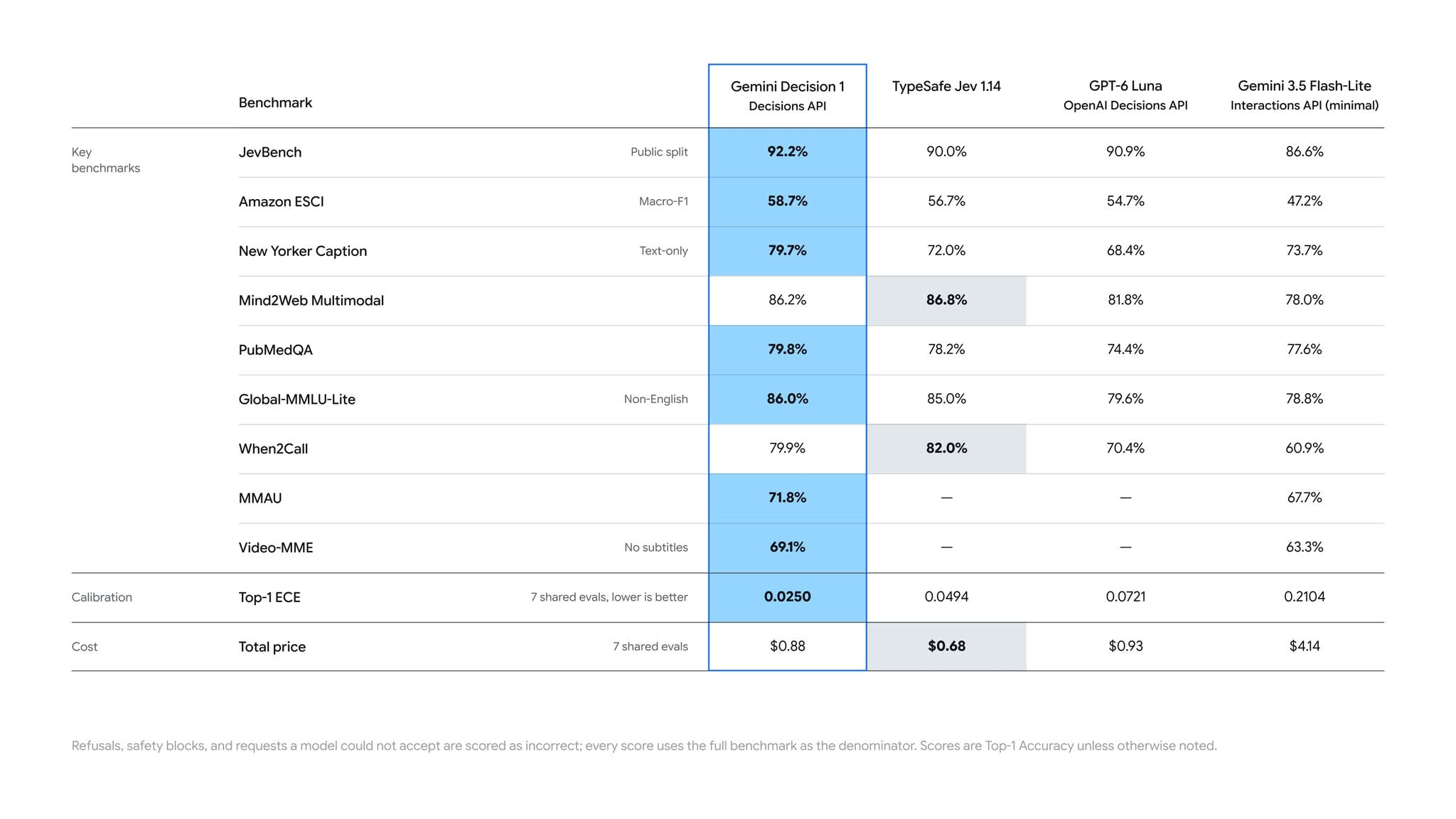
Gemini Decisions API scores 1,000 questions in one call
A router deciding which model gets each query can ask Gemini Decision 1 up to 1,000 questions at once, paying $0.10 per 1M input tokens and nothing for output. Would you route your app’s queries with a decision model or keep a full LLM call?
Related stories
- Grok Bot can now reach Calendar, Reminders and Home apps
- Grok Bot beta gives every agent its own computer in the cloud
- Template sharing goes live in Grok Bot
- Leak: Grok Bot gains templates and Chrome profile import
- xAI’s voice agent can now text you mid-call
- Grok Bot gets its own Vault for logins and cards
Comments
No comments yet. Be the first.
Join the conversation
Sign in to leave a comment. It appears after moderation.