
OpenAI models helped find critical flaws in PHP
Researchers in OpenAI’s Patch the Planet initiative used the company’s models to find critical security flaws in PHP, the open-source language that OpenAI says runs an estimated 70% of websites. OpenAI disclosed the flaws on October 21 in a post on X, after the fixes had already shipped.
The disclosure came two months after the find. During that time OpenAI led a coalition of maintainers, researchers and security providers that prepared fixes and protections. OpenAI says the wait was needed because “the fix was quite intricate and required a major change to the PHP engine.” Every site running PHP can now upgrade safely, and several security vendors have released mitigations on top of the upgrade.
Patch the Planet launched on June 22 with Trail of Bits, TechCrunch reported, and its Trail of Bits staff work directly with maintainers using OpenAI tools such as Codex Security. HackerOne, which joined as a launch partner, describes how the program runs. It picks a focused set of critical open-source projects, and Codex-assisted research is checked by human experts before anything reaches a maintainer. Researchers then write or refine the fix, help test it and disclose through each project’s own channels, while maintainers keep control of their code. HackerOne says OpenAI funds the work, so the maintainers getting the reports don’t pay for it.
OpenAI’s stated reason for building it this way: “Many maintainers are already being asked to sort through more reports, more quickly, with the same limited time and resources.” HackerOne says the volume problem has grown because automated tools have made it cheaper to file a vulnerability report than to confirm one.
PHP is not the program’s first project. Earlier, a Trail of Bits audit of OpenClaw under the same initiative produced 27 private advisories. As of October, the severity-rated ones split into 0 Critical, 2 High, 16 Medium and 6 Low, and each finding was checked by hand before it went out. The PHP flaws are rated critical, and OpenAI puts the bug among “the most impactful vulnerabilities in recent memory” because the flaws are severe and PHP is everywhere. When the program launched in June, TechCrunch used log4j as its example of how one flaw in a widely used open-source component turns into a problem for commercial codebases.
OpenAI says the case marks a new phase, one “where AI can find security bugs with internet-scale impact.” The company calls it the Defender’s Window in practice: “to our knowledge, frontier AI was able to find this vulnerability ahead of attackers, giving defenders time to prepare.”
Up next
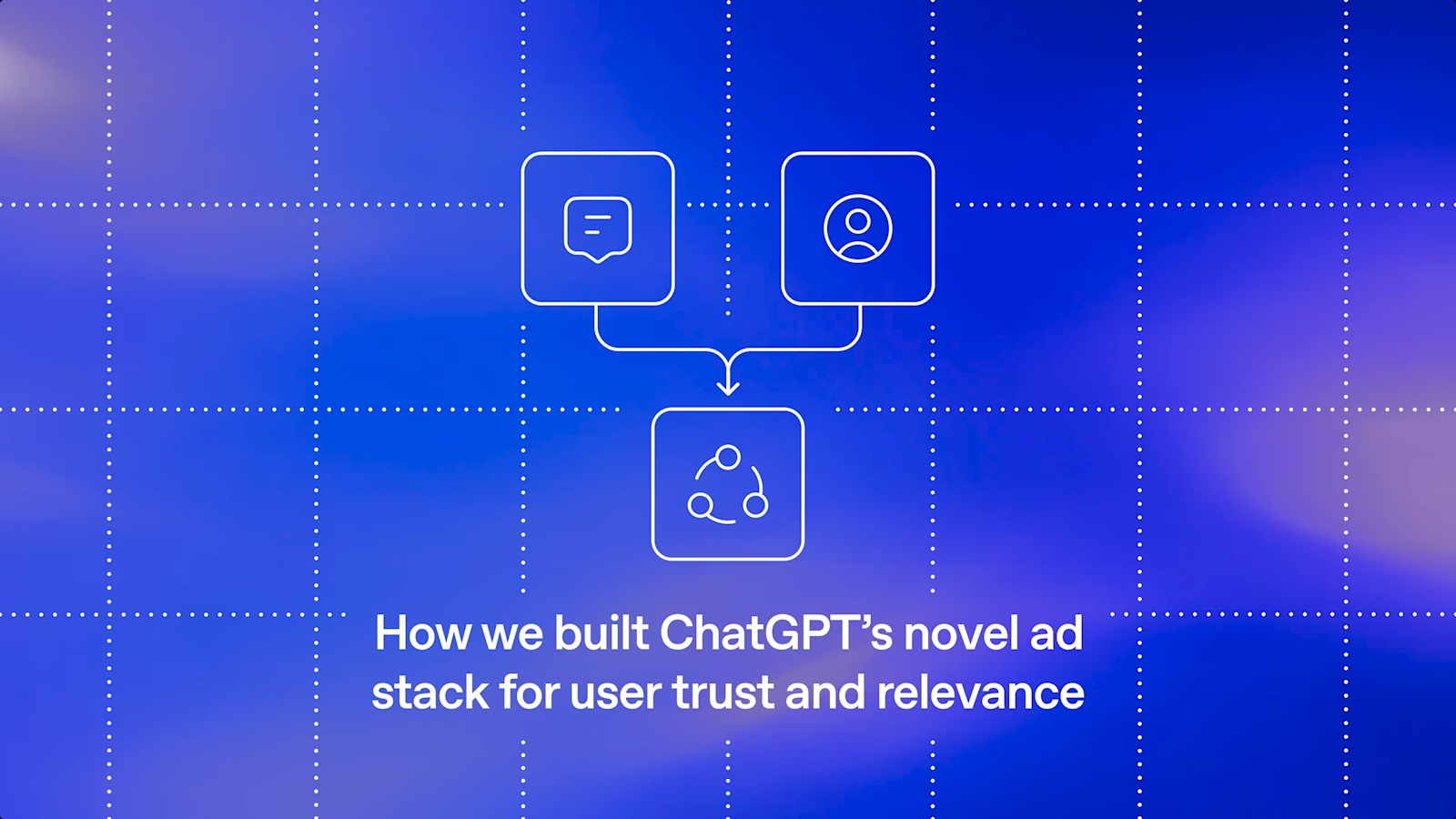
OpenAI’s ChatGPT ads hit a $1B run rate in under 200 days
Ads in ChatGPT get picked by a post-trained LLM that calls tools for retrieval, ranking and the auction, and if an ad runs late, the reply ships without it. Have you seen a sponsored ad under a ChatGPT answer yet?
Related stories
- Trail of Bits may end up inside OpenAI, report says
- OpenClaw agents kept reading memory after it was disabled
- Judge orders ex-OpenAI engineer Alfozan held until trial
- Prosecutors allege Saudi support for ex-OpenAI engineer
- DNI Jay Clayton cites OpenAI bug case in espionage warning
- OpenAI model forged tokens to get hospital-bed statistics
Comments
No comments yet. Be the first.
Join the conversation
Sign in to leave a comment. It appears after moderation.