
OpenAI's second chief revenue officer in under a year
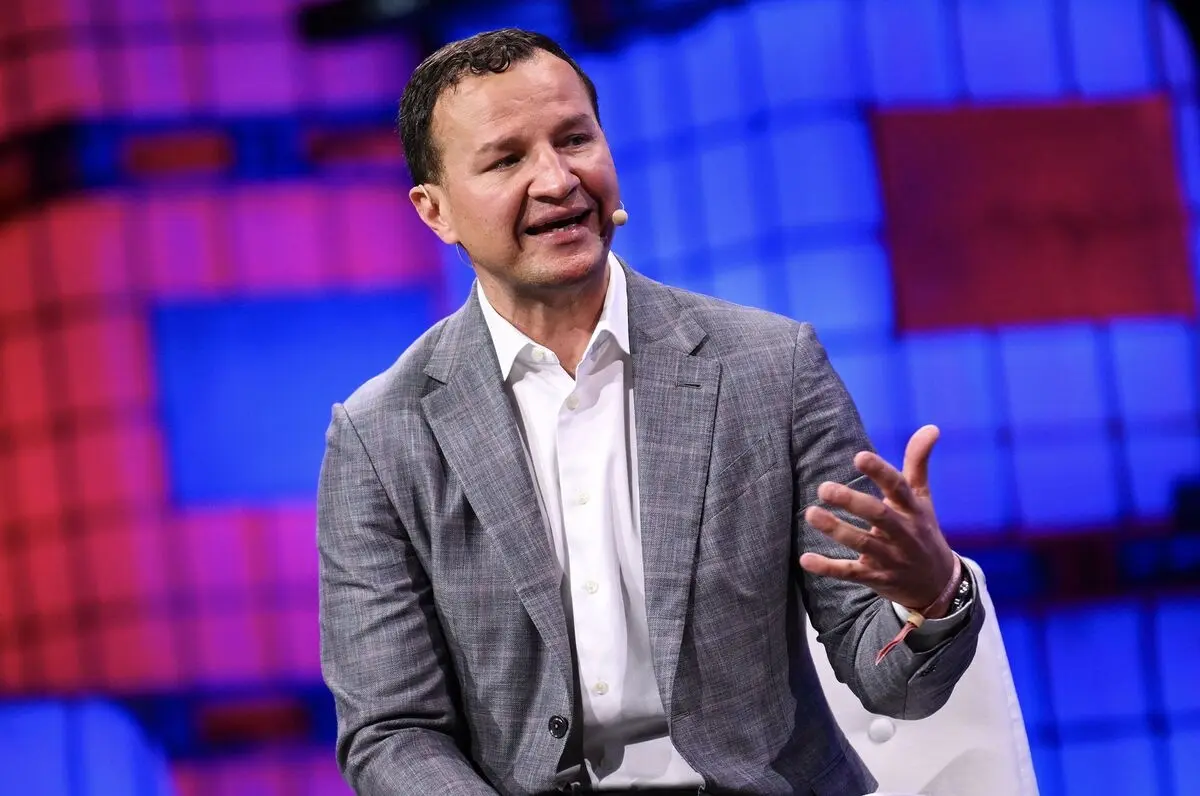
OpenAI has hired Dali Rajic, president and chief operating officer of Wiz, as its chief revenue officer, the second person in that job in under a year. Bloomberg reported the appointment, which places Rajic over sales ahead of an anticipated Wall Street debut.
At a glance
- The revenue organization changes hands amid a wider reshuffle: COO Brad Lightcap and Fidji Simo, who ran AGI deployment as the company's second-ranking executive, both left OpenAI in the past month.
- Rajic arrives from Wiz, the cybersecurity firm Google bought this year for $32 billion in its largest acquisition to date, where he served as president and chief operating officer.
- OpenAI says its products reach more than one billion weekly users and two million businesses, and it has filed confidentially with the SEC ahead of a potential initial public offering.
Why it matters Replacing a revenue chief after nine months, while the chief operating officer and the second-ranking executive also leave, reads as a management reset rather than routine turnover. The choice of an operator from a security company acquired at scale, instead of another software chief executive, appears aimed at converting very large usage numbers into predictable enterprise contracts before public investors get to price the business.
Denise Dresser lasted nine months in the role after joining from Slack
Dresser, the former chief executive of Slack, took the chief revenue officer job at OpenAI in December and left after nine months, according to TechCrunch. Greg Brockman, OpenAI co-founder and president, announced Rajic's arrival in a blog post and credited Dresser with leading the revenue organization through a formative period for the business.
The way we're deploying this technology is changing rapidly, and Dali will turn what we've learned into repeatable execution as we build out the full system to make AI broadly useful for people and businesses.
Rajic joins from Wiz, where he was president and chief operating officer. Google acquired the cybersecurity company this year for $32 billion, the largest acquisition in the tech giant's history. Brockman has taken a larger role in management since Simo's departure, TechCrunch reported.
Brad Lightcap and Fidji Simo left OpenAI in the past month
The change at the top of the sales organization follows two other senior exits over the same stretch. Chief operating officer Brad Lightcap and Fidji Simo, the CEO of AGI deployment and the company's second-ranking executive, both departed within the past month, according to TechCrunch.
Executives have suggested privately and publicly that OpenAI has not hit all of its revenue goals, despite the growth of its user base and the strength of its models, TechCrunch reported. Sam Altman has spent this year steering the company toward enterprise deployment and cutting back technology projects and experiments seen as a distraction from that goal.
OpenAI bought $7 billion of employee shares this week
OpenAI says it has filed confidentially with the Securities and Exchange Commission ahead of a potential initial public offering, and no date for the listing has been given. This week the company bought $7 billion worth of shares from employees in a tender offer that let them cash in part of their equity compensation.
OpenAI's products reach more than one billion weekly active users and two million businesses, according to TechCrunch. Bloomberg's coverage of the appointment cited an OpenAI blog post calling for a "relentless focus" on "measurable business impact", wording that TechCrunch says does not appear in the published version.
What's next The timing of any listing is not public. TechCrunch notes that private companies often round out their executive ranks before a public debut, and that the $7 billion tender offer may point to a delay. How Rajic reorganizes sales, and whether the enterprise push closes the gap on OpenAI's revenue targets, has not been detailed.
Up next
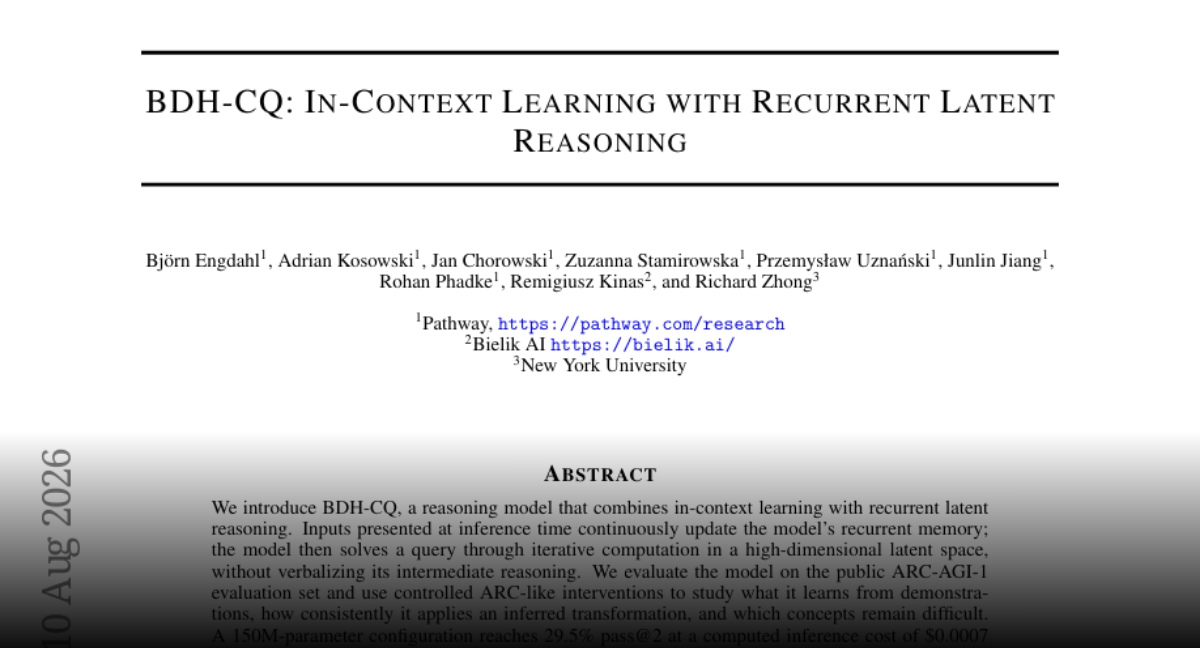
New model BDH-CQ costs $0.007 per task 11x less than OpenAI Luna even w 80% off
A 150M-parameter model, BDH-CQ, scored 29.5% pass@2 on the public ARC-AGI-1 set at an estimated $0.0007 per task. Its authors say that point breaks the previously published cost-accuracy frontier. Intermediate steps stay in latent space, never written out as text.
Related stories
- A Schumer lands in OpenAI's Washington operation
- Data-center chief exits OpenAI before the IPO
- Brad Lightcap is leaving OpenAI after eight years
- OpenAI's head of ethics leaves startup less than one year after joining
- Sophos lets Daybreak agents close 52% of MDR cases
- Per FT, OpenAI's run rate sits at $50B, below Anthropic's
Comments
No comments yet. Be the first.
Join the conversation
Sign in with Google to leave a comment. Your name and avatar come from your Google profile, and the comment appears after moderation.