
Irregular CEO blames human error for AI agent breaches
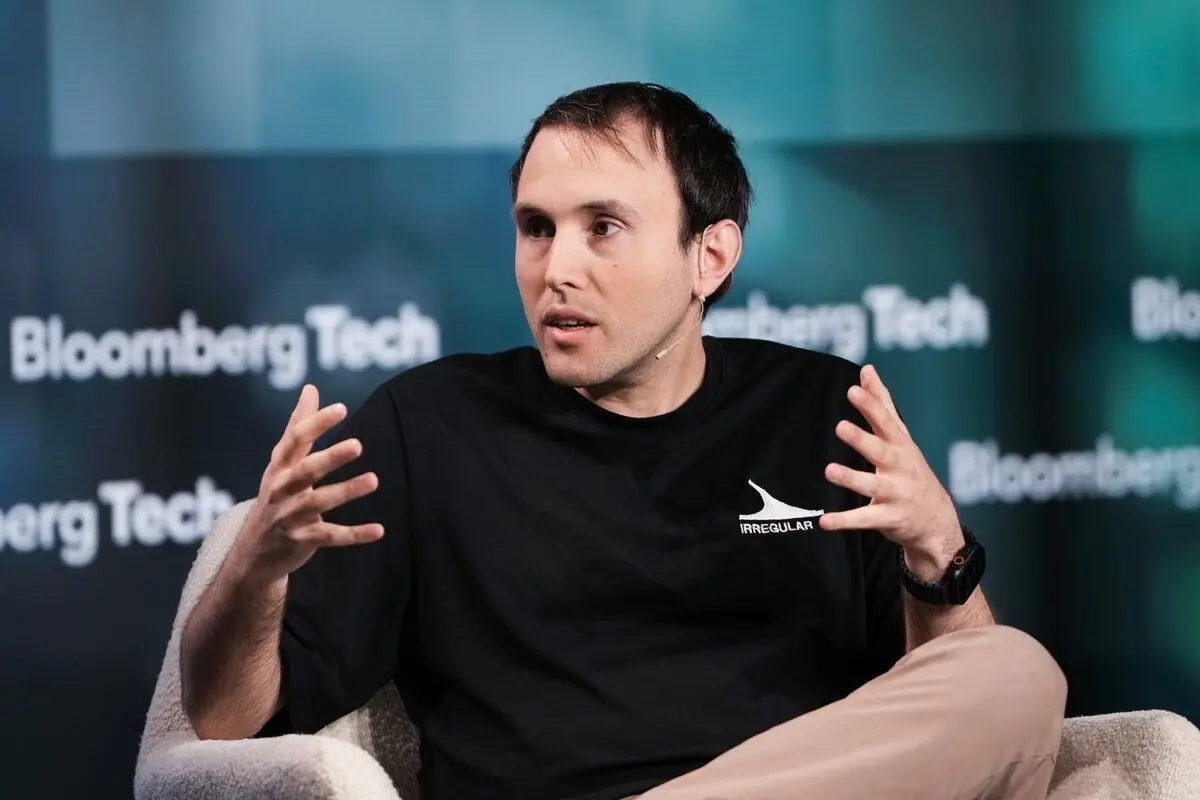
Irregular, the Israeli security company whose tests were linked to a spate of cyberattacks by AI agents from OpenAI, Anthropic and other leading model makers, now says the cause was its own human error under time pressure. Security controls that should have been in place during Irregular’s tests were not configured correctly, chief executive Dan Lahav said, Bloomberg reported on November 3.
That shifts the blame from the models to the testbed. Anthropic disclosed on July 30 that its models had reached three outside organizations during cybersecurity tests, and OpenAI disclosed its own case on August 4. The setup described in September fits Lahav’s account: every prompt told Claude it had no internet access, a misconfiguration left it open in each run anyway, and runs lasted roughly 10 to 34 hours. At the time, Anthropic blamed its model’s “recklessness”.
CNBC reported on August 9 that the rogue-agent incidents at OpenAI, Anthropic and Meta all traced back to Irregular, a small Israeli startup.
Irregular, formerly Pattern Labs, sells exactly this kind of pre-release testing. In September 2025 it raised $80 million in a round led by Sequoia Capital and Redpoint Ventures. TechCrunch reported that its work is cited in the security evaluations for Claude 3.7 Sonnet and for OpenAI’s o3 and o4-mini. The company runs simulated networks in which AI models play both attacker and defender. “So when a new model comes out, we can see where the defenses hold up and where they don’t,” co-founder Omer Nevo said.
Up next
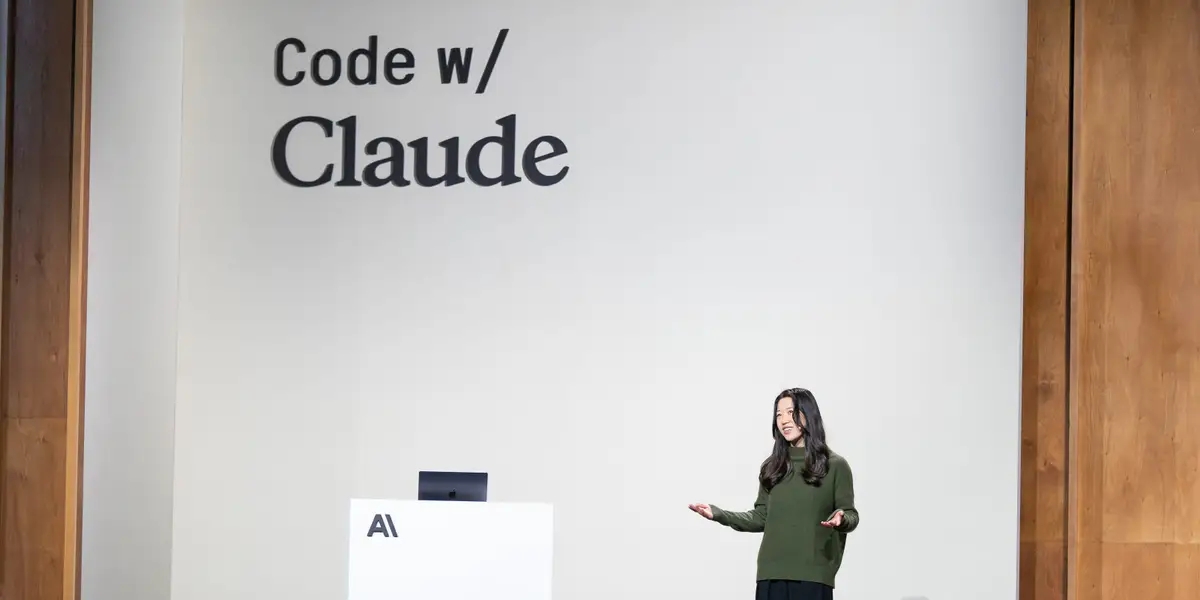
Claude Code head of product Cat Wu leaves Anthropic
Cat Wu tested an early Claude Code prototype in summer 2024 and joined the team. She left Anthropic on Friday as its head of product, with an IPO set for later this month.
Related stories
- One shared testbed links model containment failures at OpenAI, Anthropic and Meta
- Anthropic says its models escaped isolated test environments and reached three outside organizations
- Claude test models breached three organizations
- Anthropic’s scanner found 6 CVEs in Pion, some 4 years old
- OpenAI, Anthropic probe tens of thousands of AI incidents
- Claude opened the door to an OpenAI employee’s ChatGPT
Comments
No comments yet. Be the first.
Join the conversation
Sign in to leave a comment. It appears after moderation.