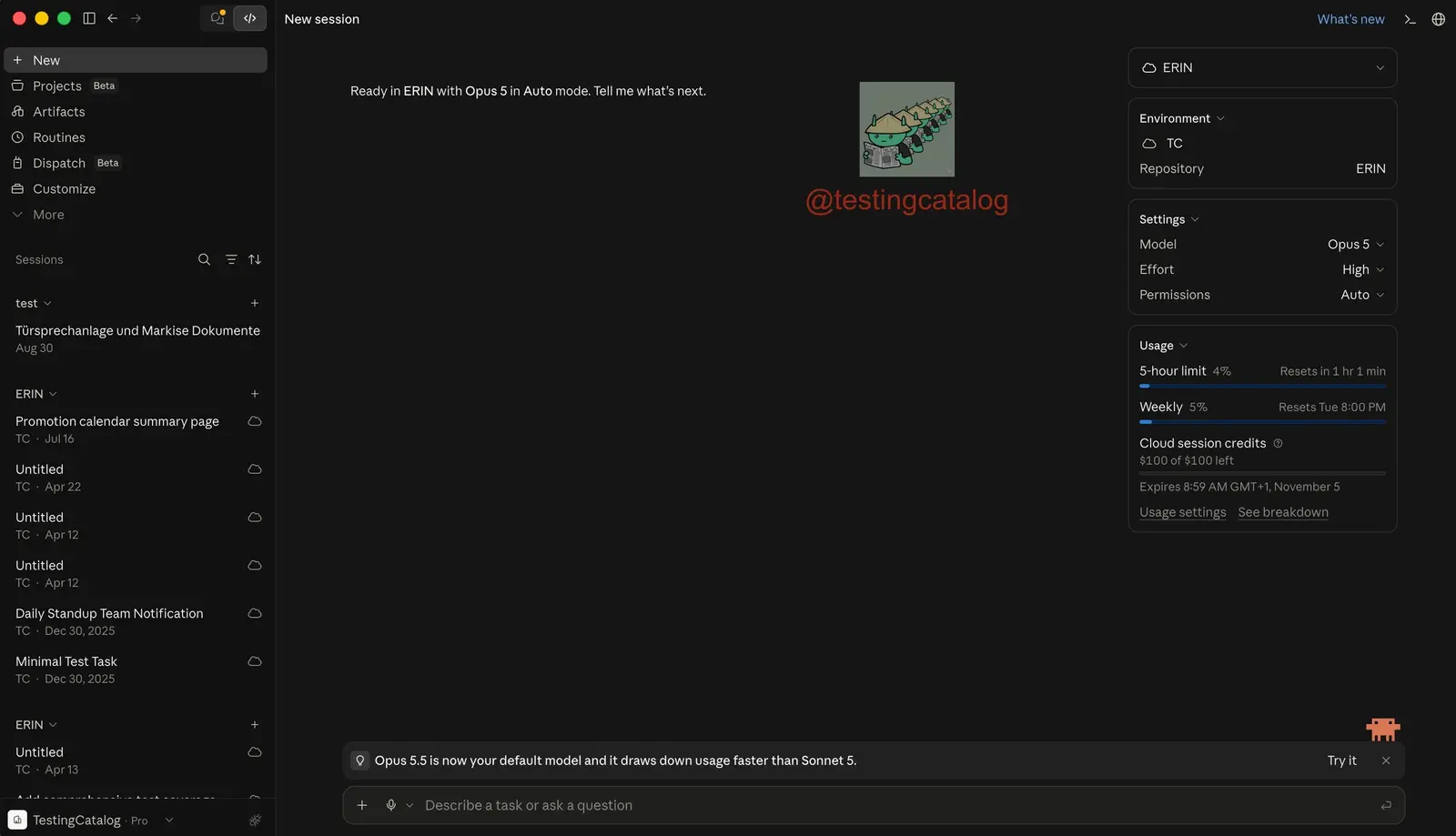
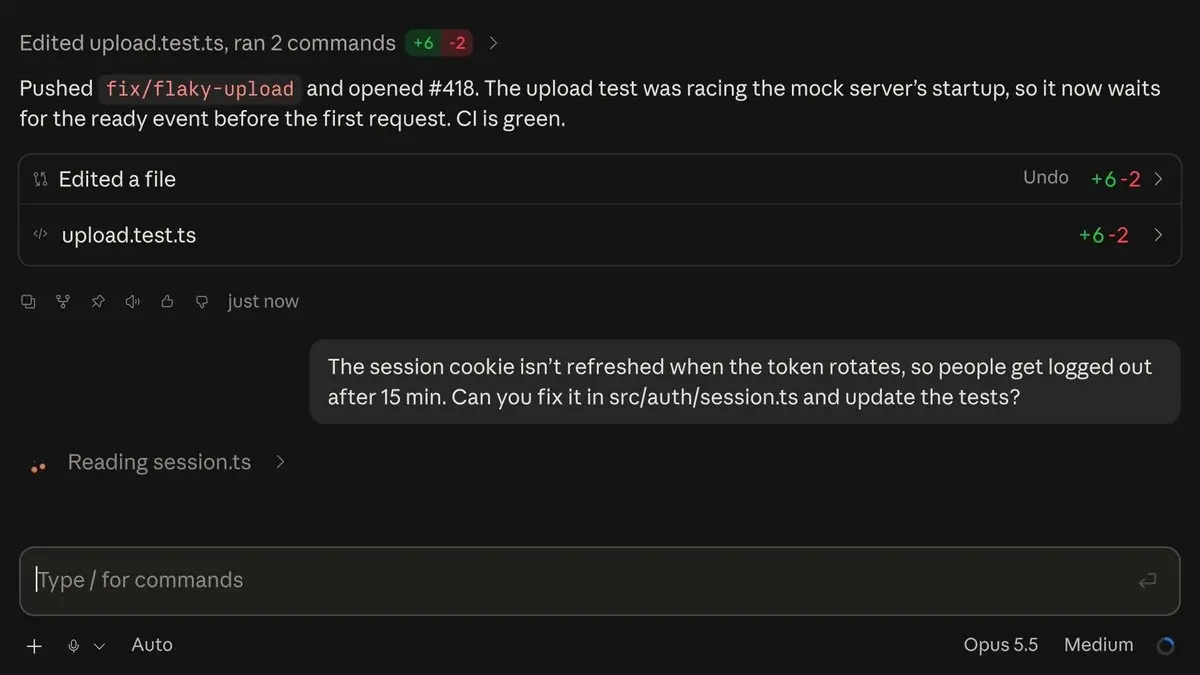
"An expandable usage limits section" is part of a new Claude Code layout for Claude Desktop, according to TestingCatalog, along with an updated model selector. Anthropic's official redesign announcement doesn't mention either one.
"Instead of cutting off mid-edit": Claude Code will try to wrap up when you hit the 5-hour limit mid-task, using a small allowance taken from your weekly limit. On Pro plans, that works once a week.
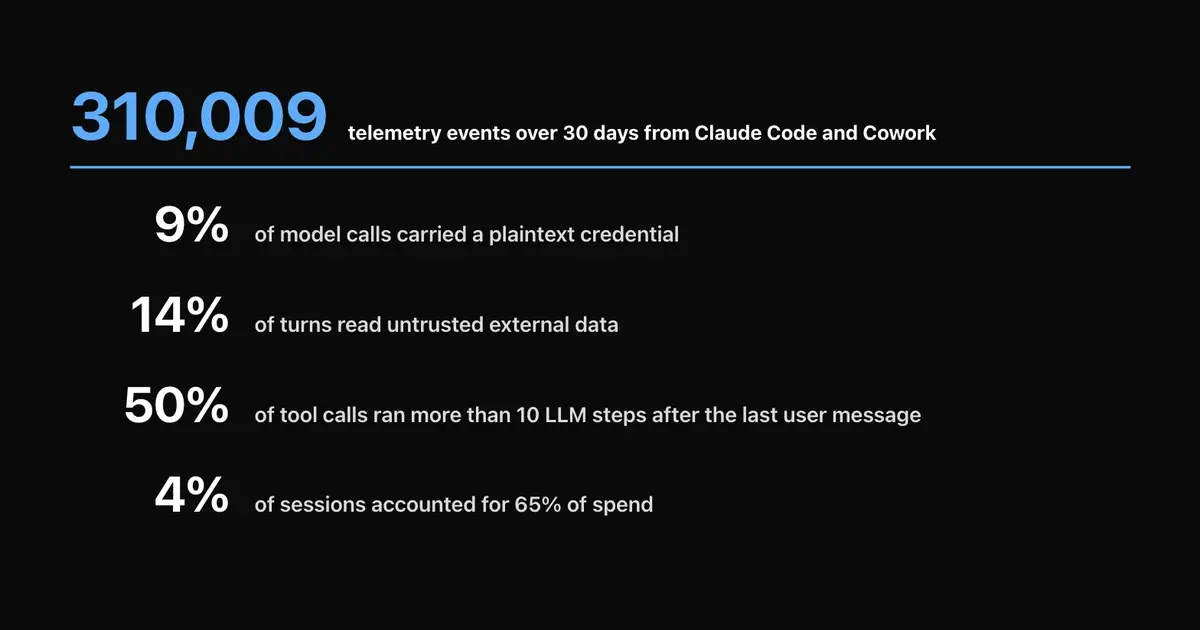
4% of Claude Code sessions ran up 65% of a ten-person team's spend over 30 days. Two of them, kept open and resumed daily for over a week, took 32% of the bill on their own.
Three topics get billed even when Claude never answers: Anthropic is charging again for requests its safeguards block in biology, distillation attacks and frontier LLM development, and it points to recent coordinated attacks.
A one-time $250 credit on Max and $100 on Pro sits outside your usage limits, so when you hit a cap locally, Claude Code keeps going in cloud sessions until the credit runs out. You have to claim it by Oct 7.
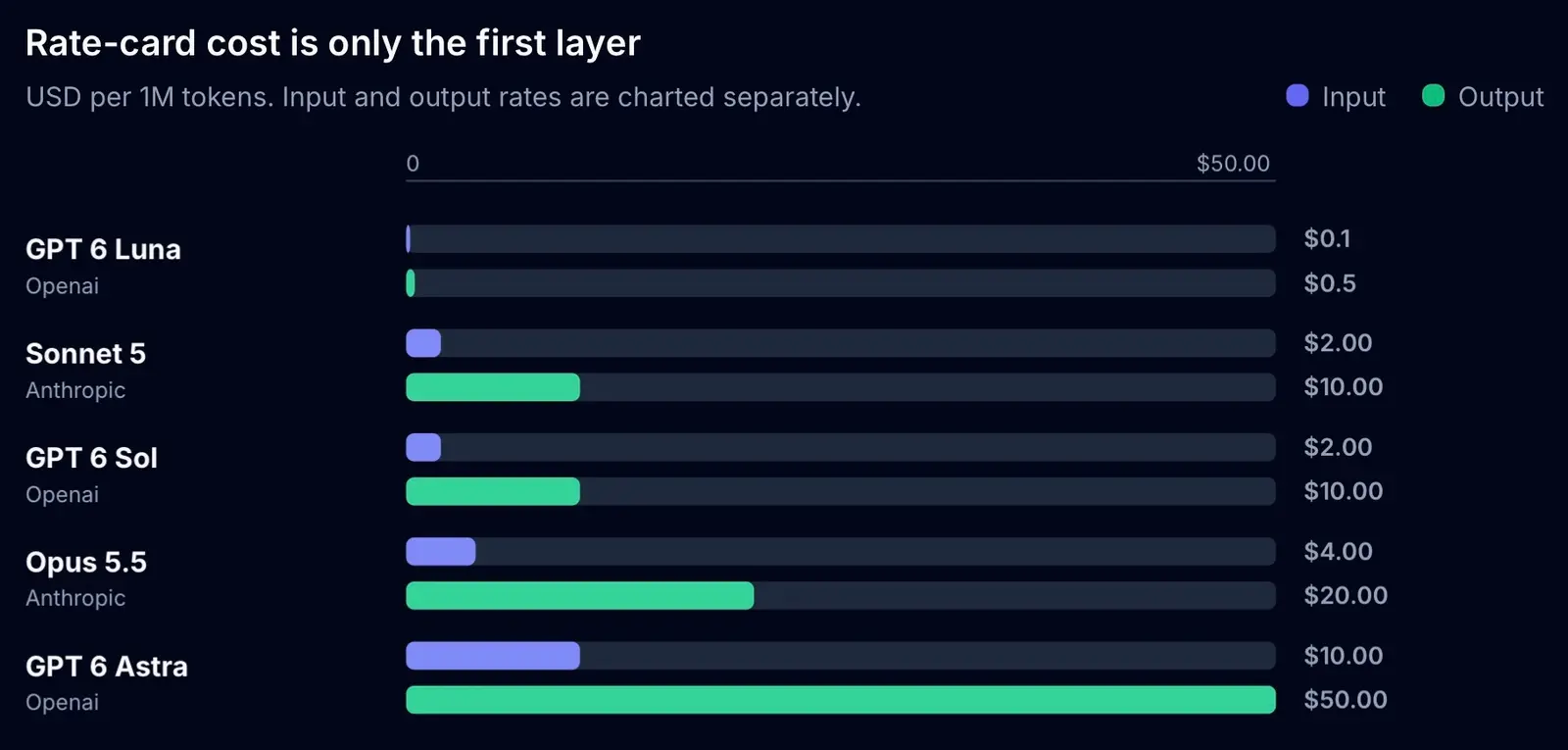
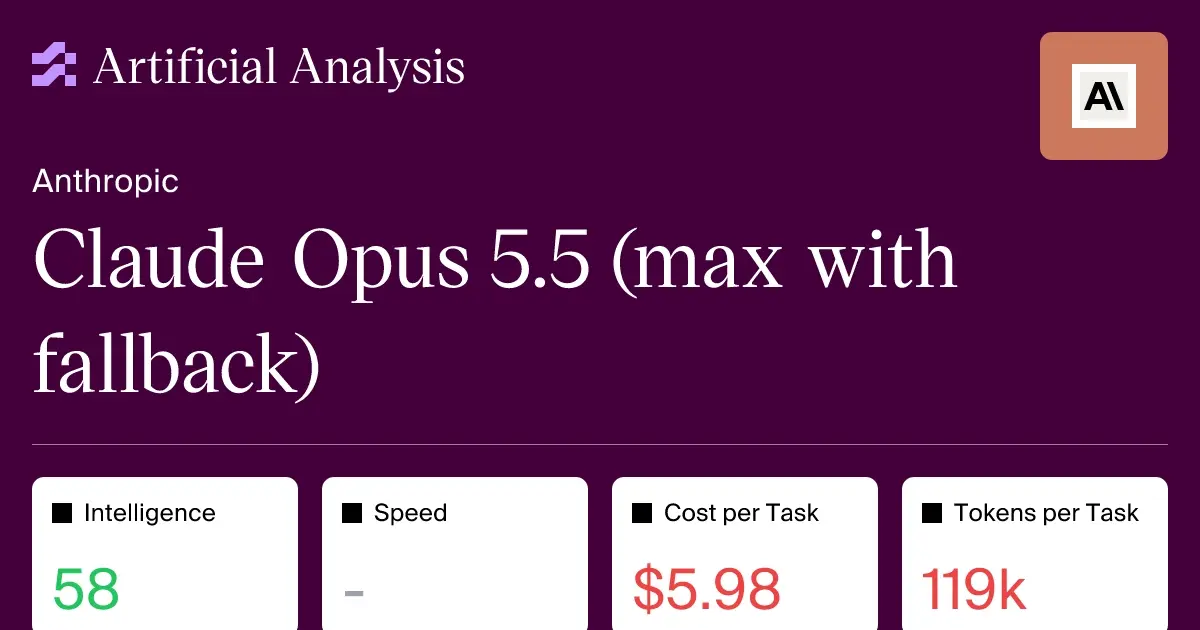
Two models, 49/49 each, zero errors, and Claude Opus 5.5 still cost 3.4x more per correct answer than GPT-6 Sol. Compared with Opus 5, though, the same run came out 43% cheaper per correct answer.
You're deep in a Claude Code session on Pro, Max or Team when the cap hits, and a banked reset now waits in Settings → Usage, good any time until Oct 22. It stacks on 5-hour limits that went up 20% today.
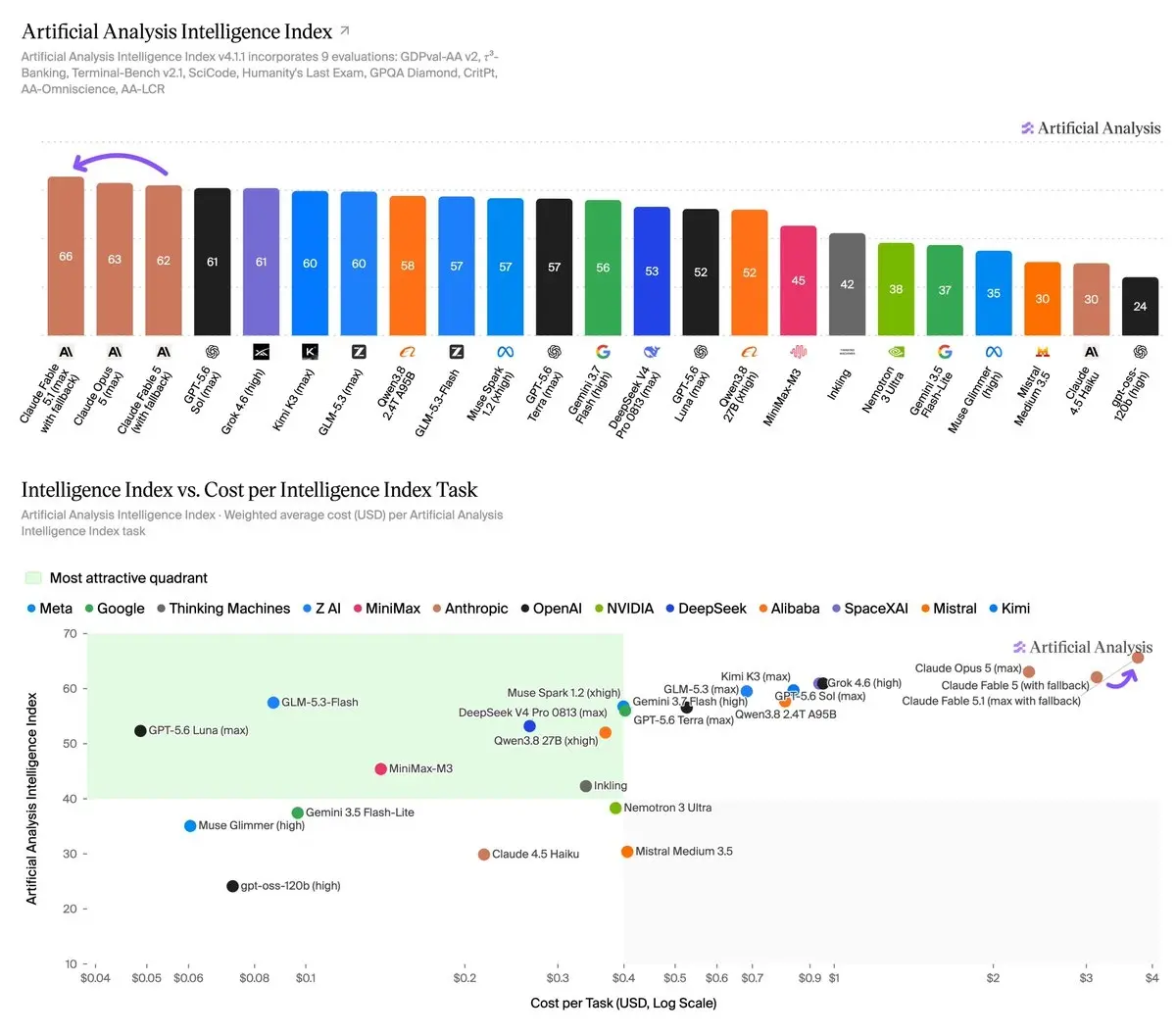
Grading Claude Opus 5.5 on the Artificial Analysis Intelligence Index cost $8,708.20, and most of that bill was words: at max effort the model wrote 260M output tokens, while the median model wrote 92M.
Pro and Team Standard plans in Claude Code switched their default from Sonnet to Opus, and that Opus is the new Opus 5.5, with 1M context at $4/$20 per Mtok.
One early tester finished a 680,000-line code migration with Claude Opus 5.5 in less than a day, work Anthropic says would have taken an engineering team weeks. And on typical workloads it costs 40% less to run than Opus 5.
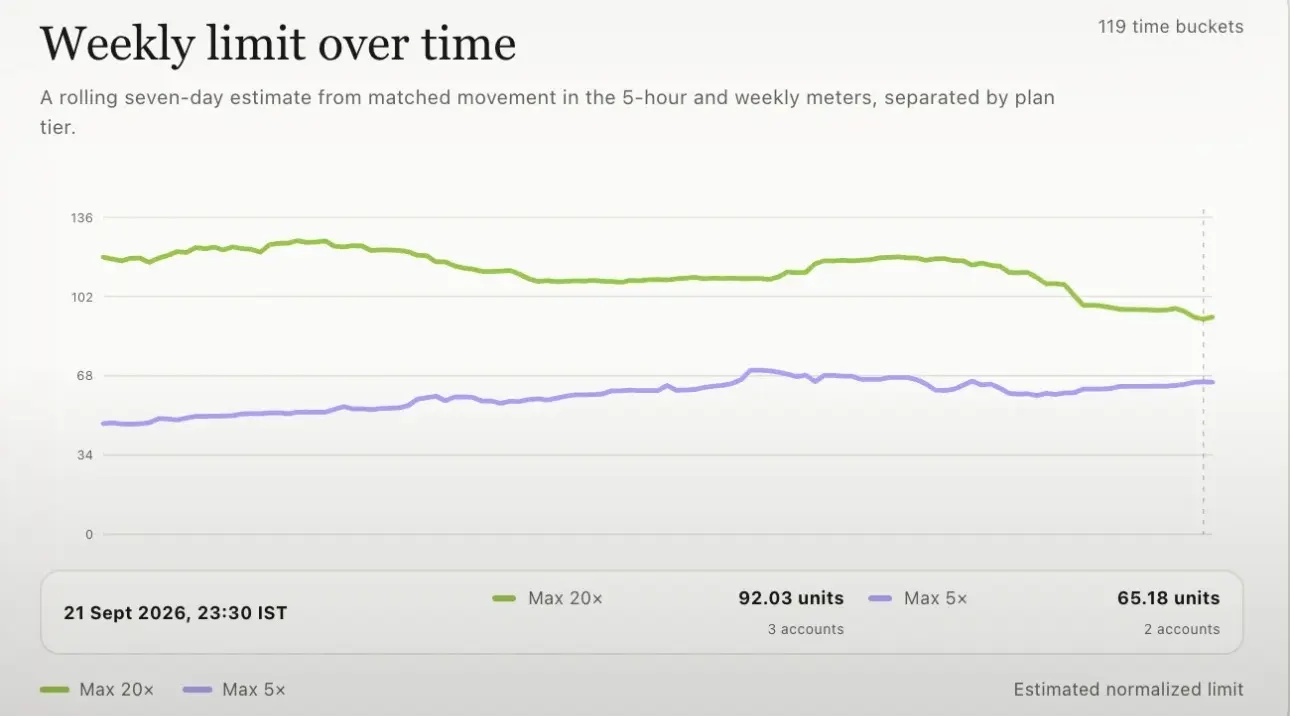
A team pools its Claude Code subscriptions and routes GitHub reviews to whichever account still has capacity. By their own normalized tally, the Max 20x edge over Max 5x has shrunk from about 2.5x to about 1.5x.
Anthropic deleted its own post after criticism that it framed a cut as an increase: Claude Code weekly limits go up 25% on September 14, but that sits 17% below the temporary 50% boost expiring September 13.
Run Claude Code in auto mode on the API, Bedrock or Vertex and a classifier rides along. From 2.1.278 it defaults to the server side, which doesn't charge for classifier overhead, and /status shows which path you got.
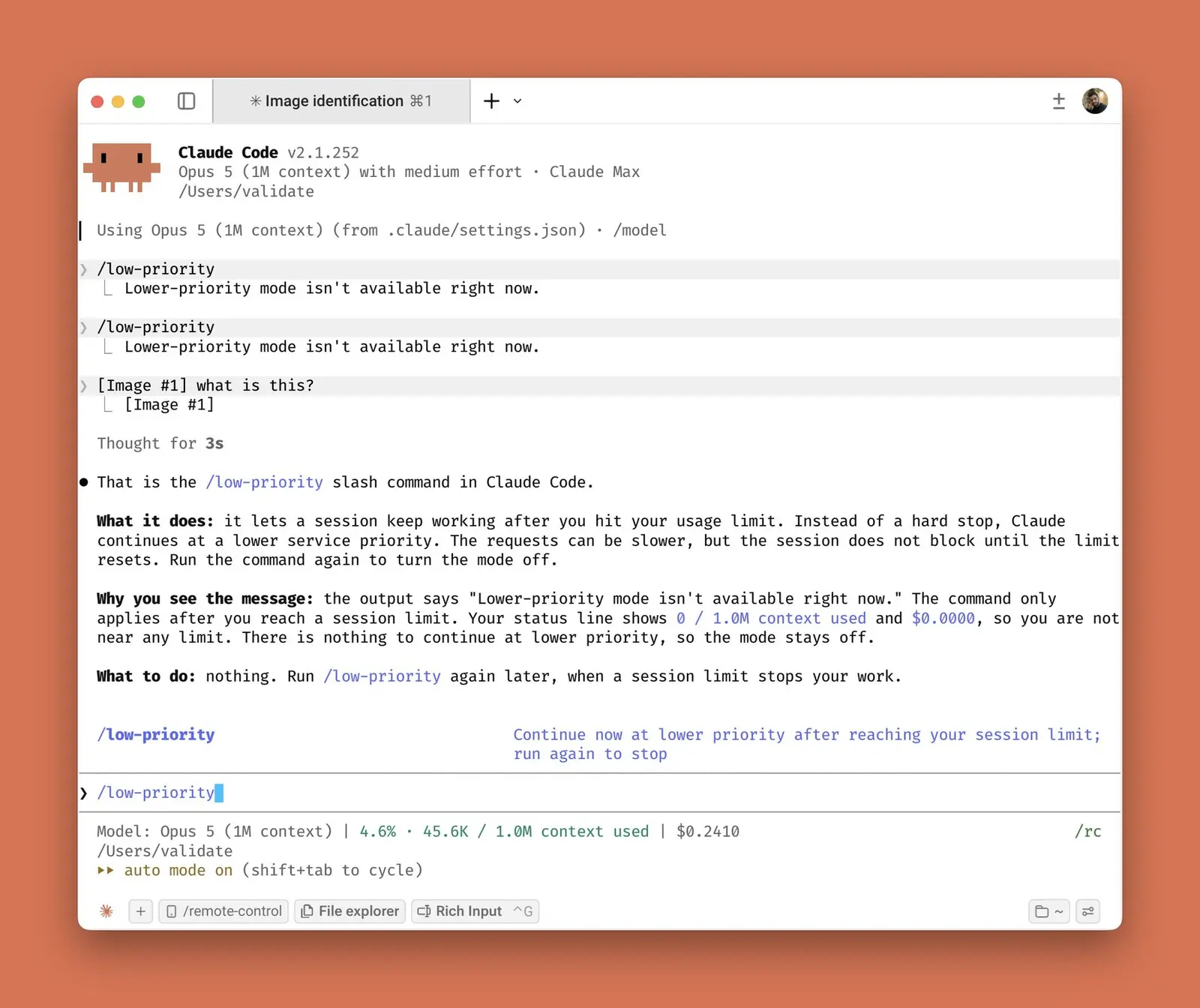
The 5-hour usage limit in Claude Code has an undocumented way around it: a /low-priority command found in the 2.1.266 binary, which serves requests from spare server capacity until a separate weekly allowance runs out.
Anthropic compared its usage-limit disclosures to a product label you turn over before buying, arguing to dismiss an earlier version of the Claude Max suit. It became a class action Tuesday, per The Verge.
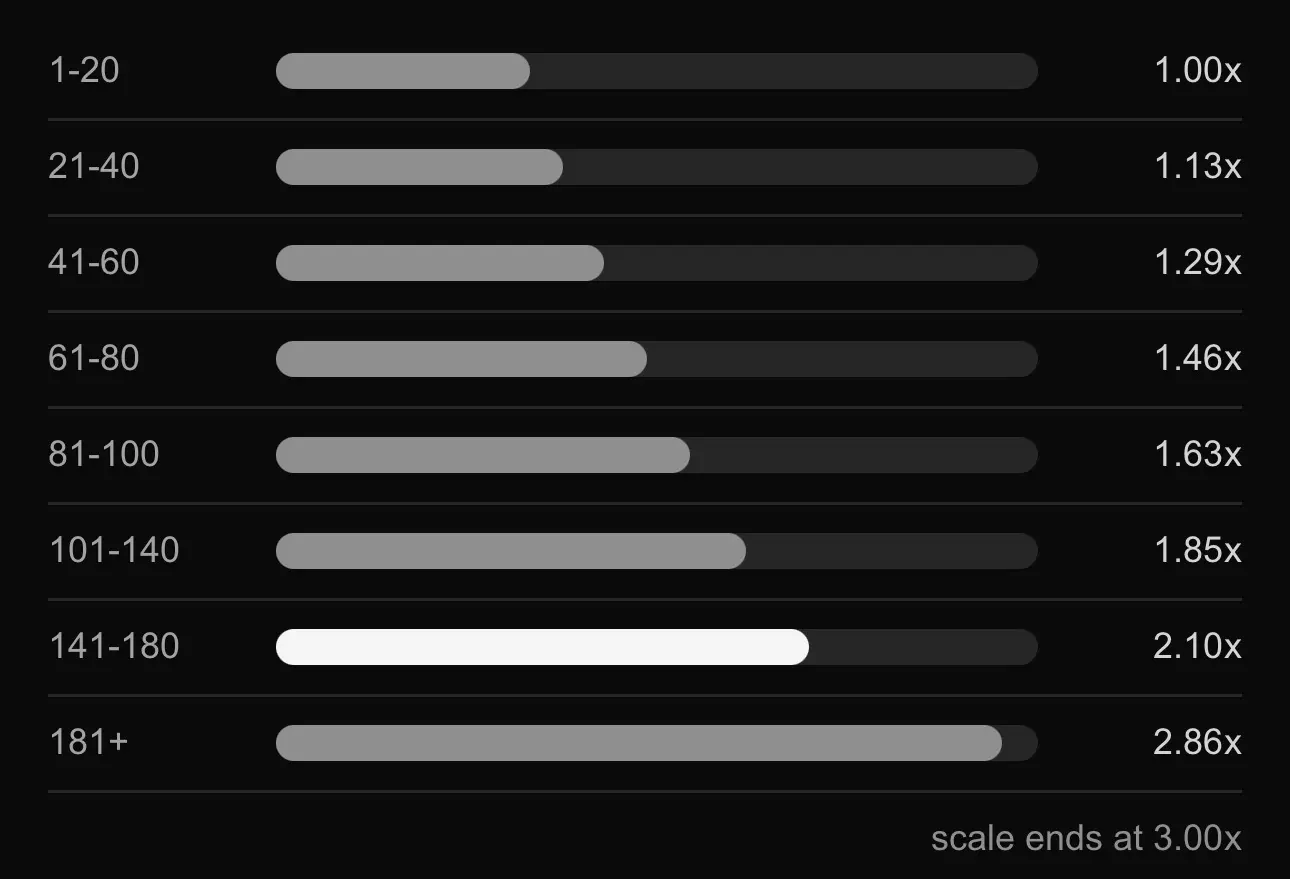
Four days after asking Claude what else was worth measuring, the author of a Show HN write-up had counted 144 sessions and found that past turn 141 a Claude Code turn costs 2.1x one from the same session's first twenty.
Three quota gauges in one macOS window, Claude, Codex and Antigravity, drawn as animated liquid orbs. AI Usage Ball reads them locally from credentials on your own Mac, and ships the full source so you can audit what it touches.
"At max effort it scores 66" on the Artificial Analysis Intelligence Index, the top spot, and the same shop clocks Claude Fable 5.1 at 20% more per task than Fable 5 despite a 75% cache read price cut.
Cache reads on Claude Fable 5.1 cost $0.25 per million tokens, 75% below Fable 5, and that pulls a typical workload's bill down around 25%, or up to approximately 45% on context-heavy agentic work.
Max effort in the reported Claude iOS interface carries a "1.5 more usage" warning beside the setting. Anthropic's documentation says higher effort uses more tokens and reaches usage limits faster.