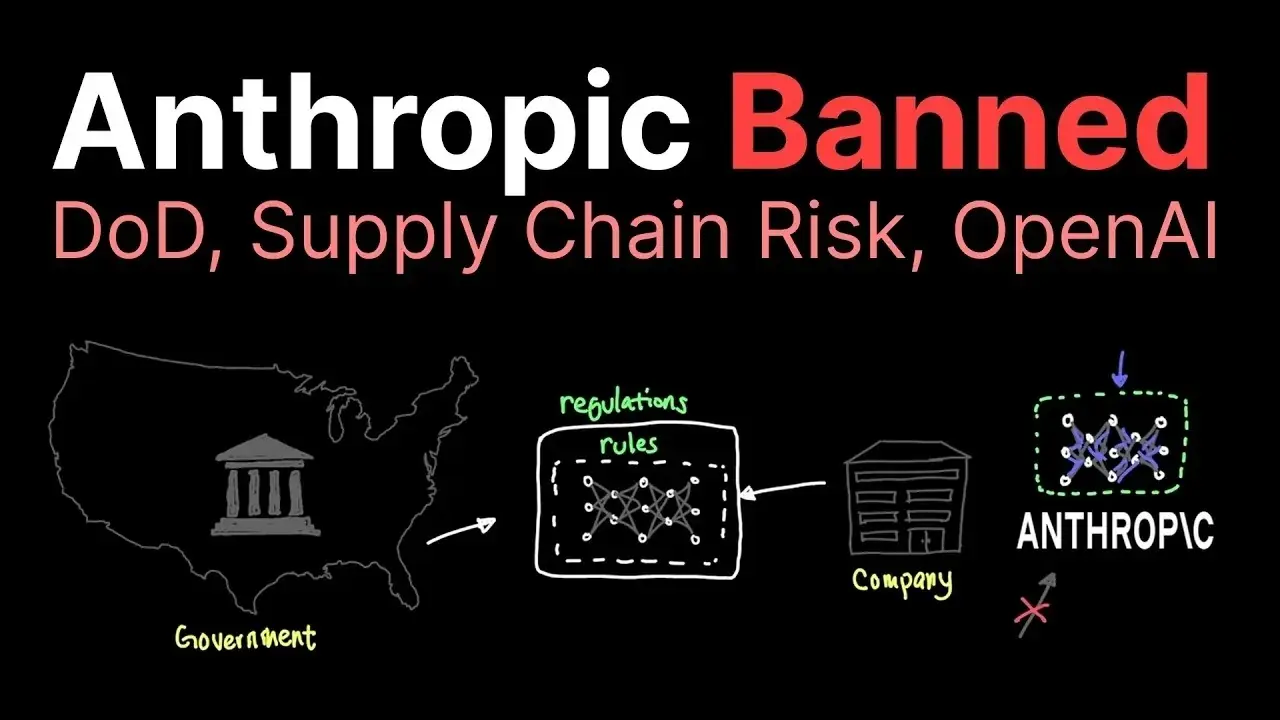
Claude counts as a supply chain risk, a D.C. Circuit majority ruled, because its built-in limits stopped it from doing tasks for government users. One judge dissented, saying the law was written for covert bad actors.
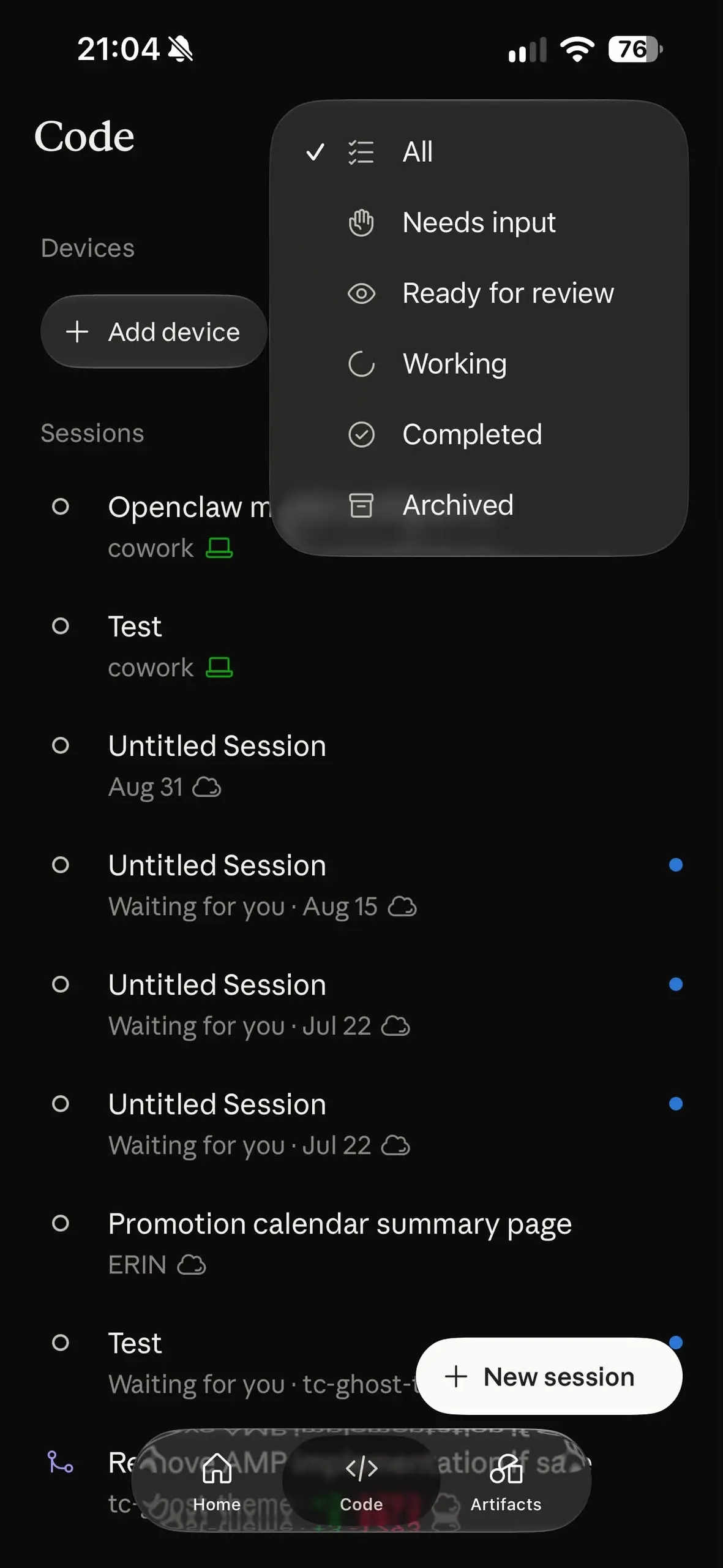
"Almost ready" is how a Threads post describes a Liquid Glass revamp of Claude's iOS app, which reportedly moves navigation to a bottom tab bar. Anthropic hasn't confirmed it, and the post gives no release date.
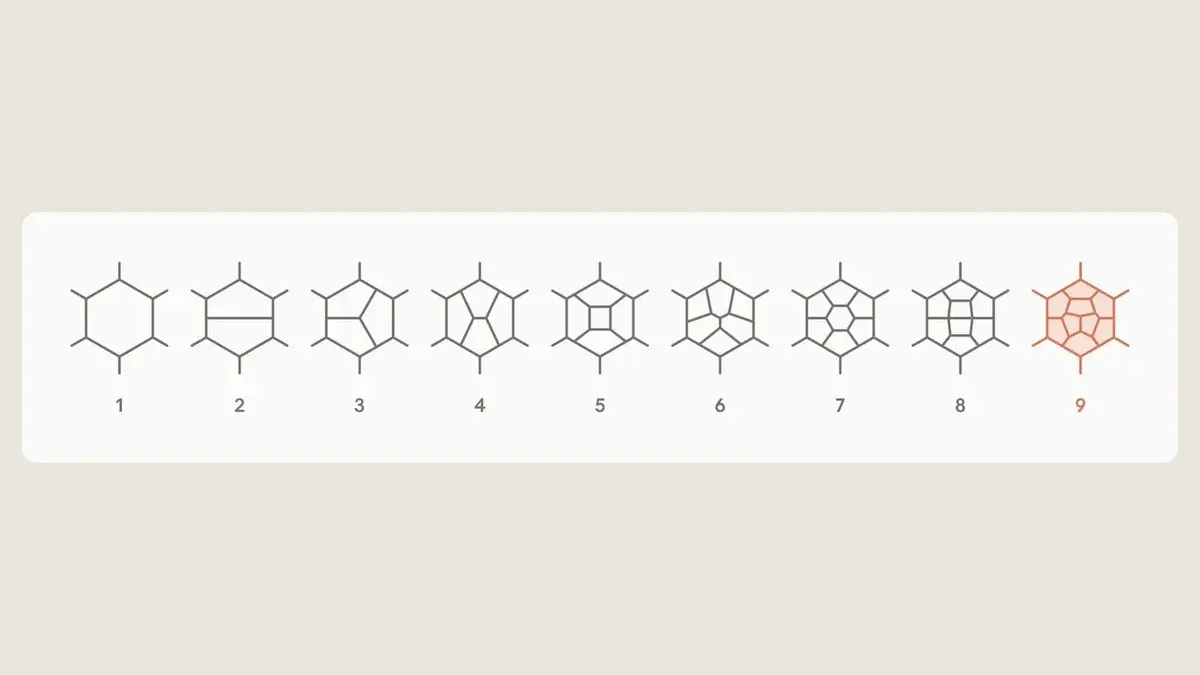
"Yes, Claude can do Nine Loops," Anthropic's Science Blog says, answering a physicist's challenge to beat the eight-loop record on an academic's compute budget. The whole run cost a few thousand dollars.
It's New Year's Eve, Opus is throwing 500 errors, and an Anthropic on-call engineer hands the hunt to Claude Code. It found the bug, then kept going and flagged 200 accounts from a batch of 4,000 for the safeguards team.
At least $11.6 billion over seven years is what Anthropic will pay Akamai for cloud services, per The Wall Street Journal, and Akamai says a potential $9 billion expansion could lift the total to around $20 billion.
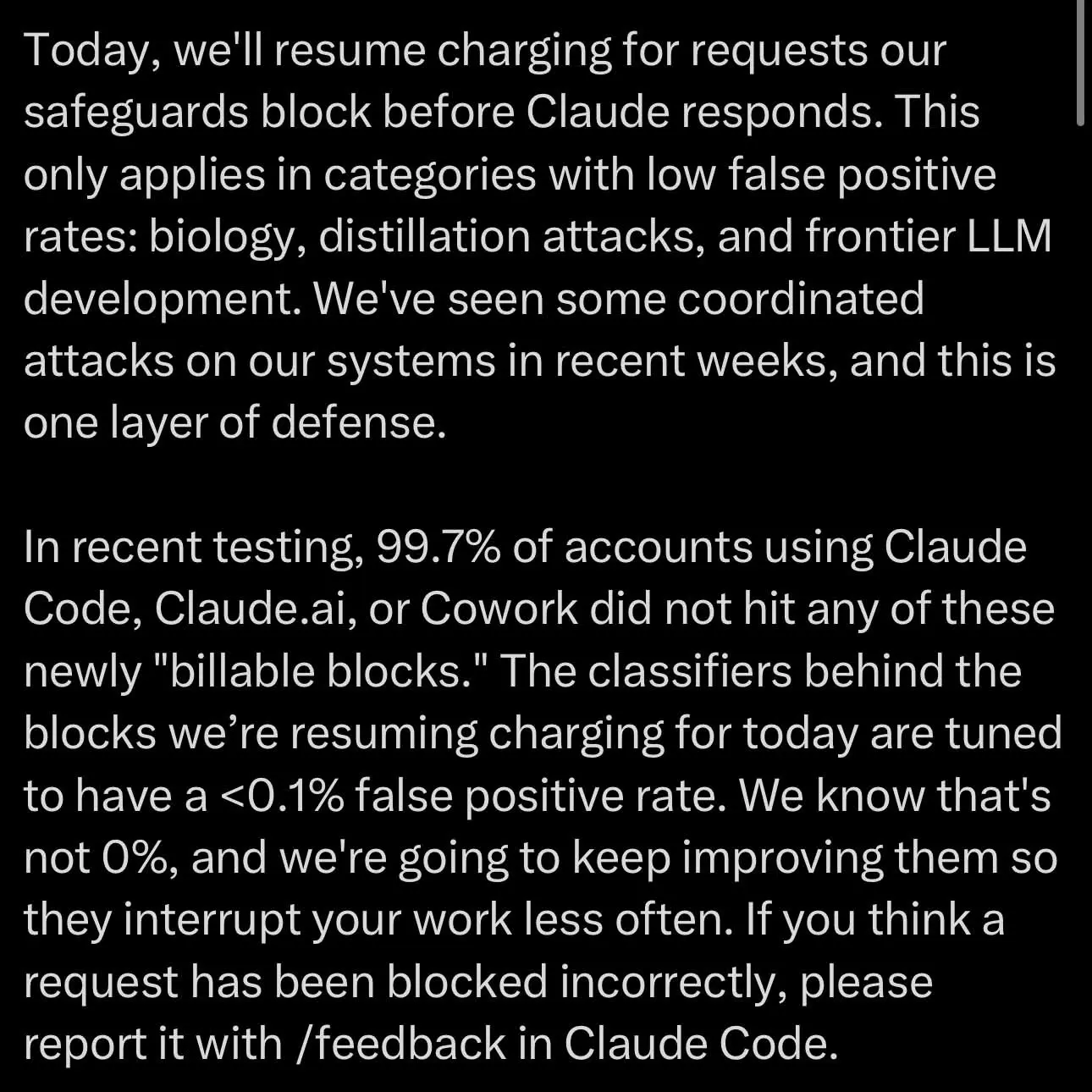
Three topics get billed even when Claude never answers: Anthropic is charging again for requests its safeguards block in biology, distillation attacks and frontier LLM development, and it points to recent coordinated attacks.
Per Axios, a memo making the rounds in the White House this week says effective altruism "built the AI-doom pipeline" and places Dario Amodei at its foundation, as Anthropic readies what's expected to be a record-setting IPO.
Per Reuters, Anthropic CEO Dario Amodei told the UN Security Council that AI could be a risk to humanity if it's managed poorly. OpenAI's Sam Altman addressed the same council alongside him.
A small team that built a Claude agent can now list it on Claude Marketplace, the same catalog where buyers find Cursor, CrowdStrike and Deloitte. Anthropic hasn't said how those listings get vetted.
Health teams in the Democratic Republic of the Congo are racing an outbreak of an unusual Ebola variant, and Anthropic says CEPI, WHO Africa and Kinshasa's INRB are using Claude to speed up that response.
"3x faster in two weeks" is what the ClaudeDevs account says about claude.ai, and the team credits Claude itself with measuring and debugging the slowdowns. The write-up comes with the exact prompts and methods they used.
Beside an unknown enzyme gene in phage DNA, Claude spotted a long repeating array that looks somewhat like CRISPR. Anthropic doesn't know what it does yet, though the few known systems like it can all cut, copy and paste DNA.
Your agent switches thinking off for quick steps to save tokens, and on Opus 5.5 that same request comes back as a 400 error. Anthropic's migration guide flags it as one of four breaking changes for teams moving from Opus 5.
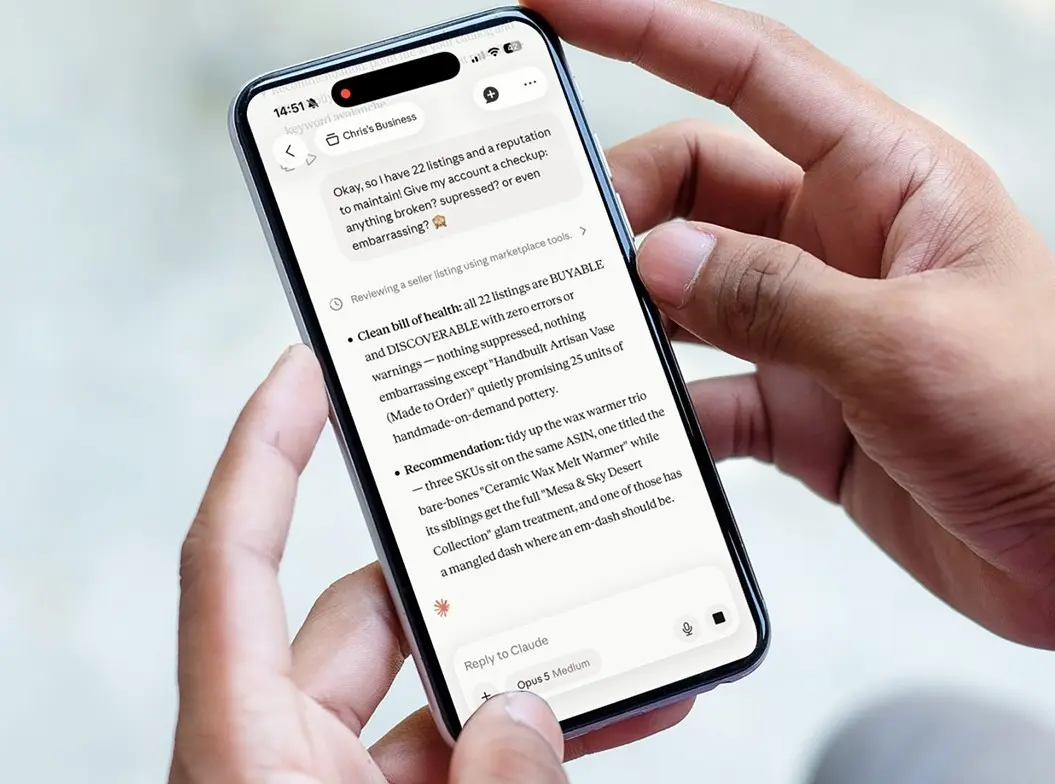
Amazon opened its seller tools to Claude, with a plugin that checks inventory, adjusts prices and updates listings outside Seller Central. Setup takes about 60 seconds, and every action still waits for the seller's approval.
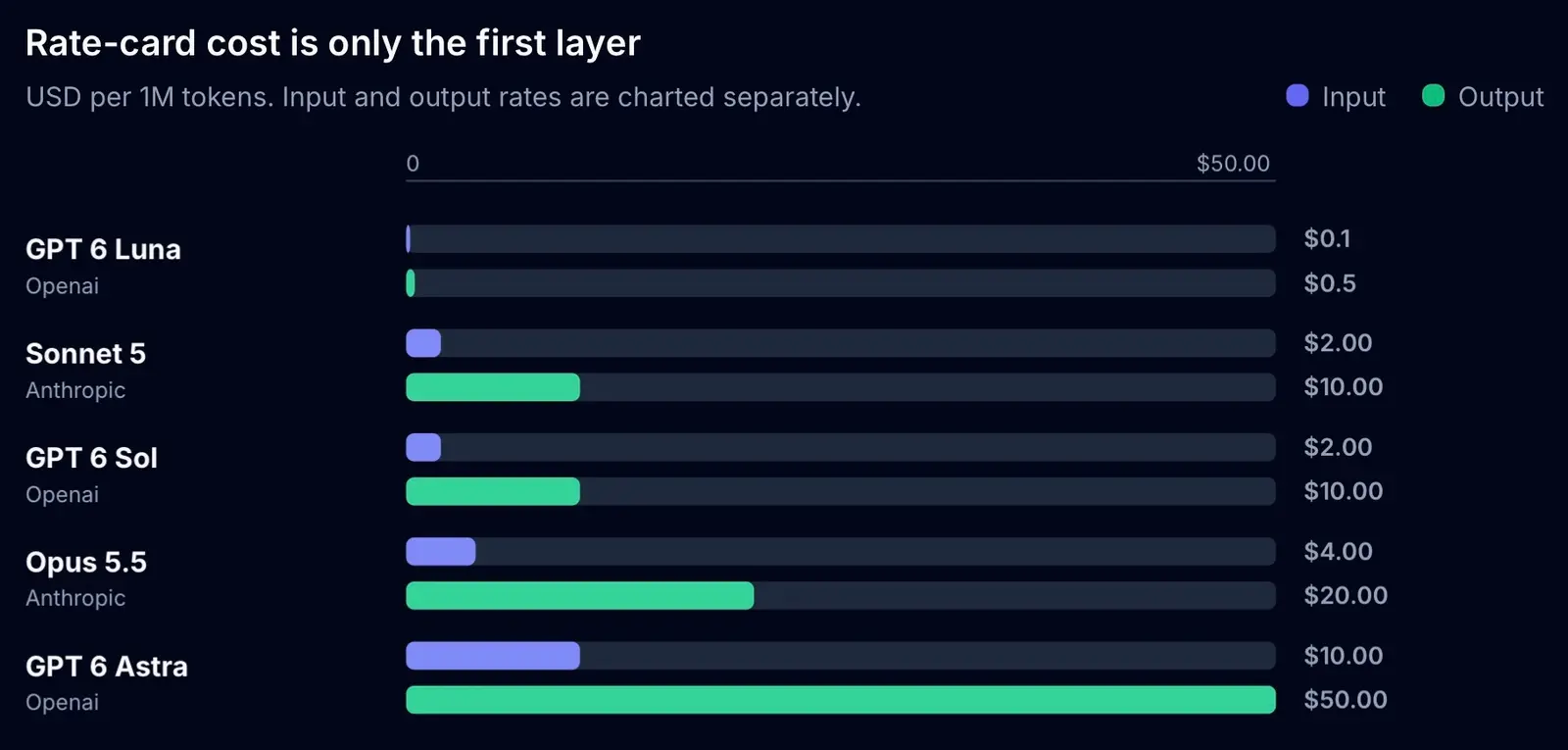
Two models, 49/49 each, zero errors, and Claude Opus 5.5 still cost 3.4x more per correct answer than GPT-6 Sol. Compared with Opus 5, though, the same run came out 43% cheaper per correct answer.
You're deep in a Claude Code session on Pro, Max or Team when the cap hits, and a banked reset now waits in Settings → Usage, good any time until Oct 22. It stacks on 5-hour limits that went up 20% today.
You're mid-migration, Claude Code has been running for hours, and it stops to ask "Want me to continue?" Anthropic's Opus 5.5 guide says one short CLAUDE.md rule about when to keep going cuts down those stops.
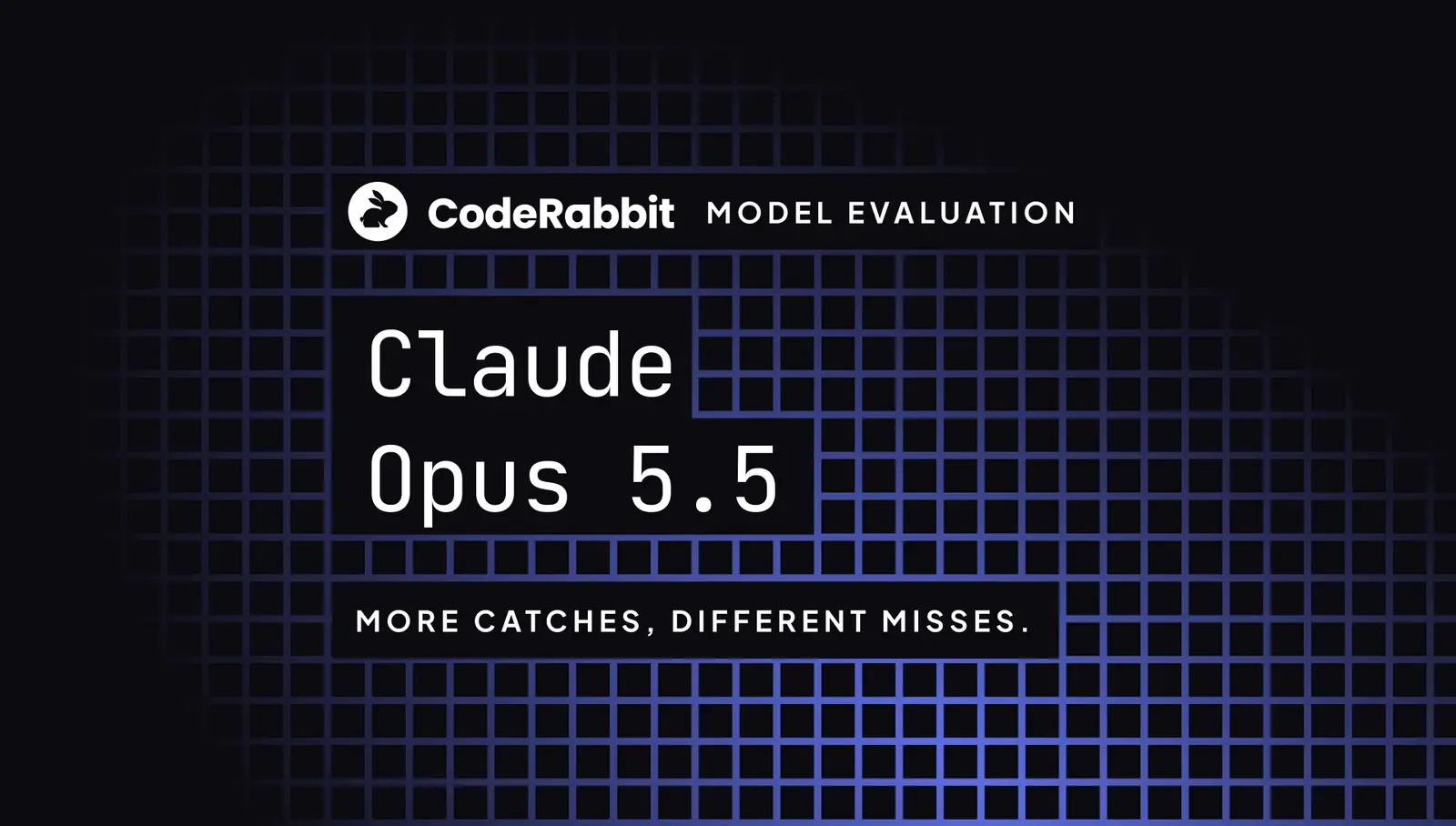
11 open-source bugs slipped past CodeRabbit's production reviewer and got caught by Opus 5.5, though Opus 5.5 missed nine that the old reviewer found. Swapping models changes which bugs get through.
One early tester finished a 680,000-line code migration with Claude Opus 5.5 in less than a day, work Anthropic says would have taken an engineering team weeks. And on typical workloads it costs 40% less to run than Opus 5.
225 CVEs are credited to Anthropic and Project Glasswing, and exactly one has confirmed exploitation in the wild, a SQL injection in Ghost. VulnCheck's Patrick Garrity puts that at fewer than 0.5%.