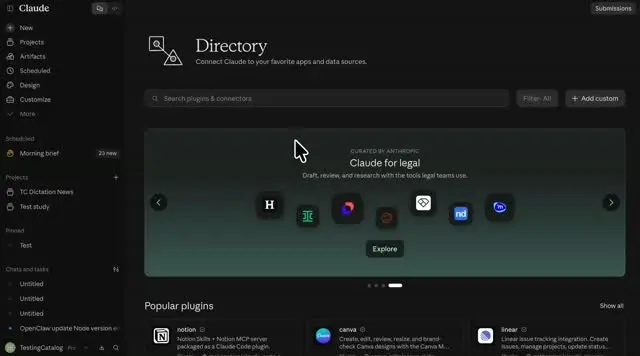
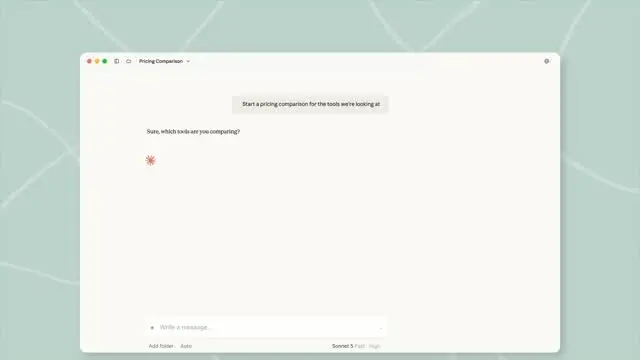
Plugin submissions for Claude got their own portal, where builders can track the review and see usage. Over the coming weeks, those plugins land in one discovery experience across Claude and Claude Code.
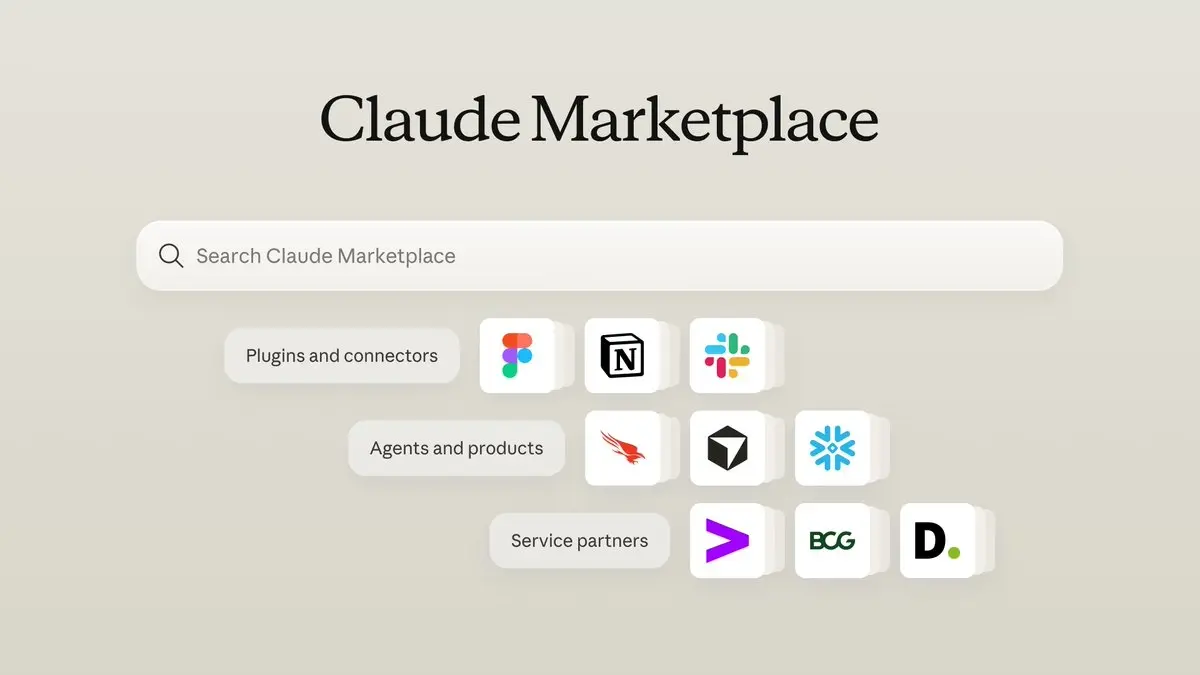
A small team that built a Claude agent can now list it on Claude Marketplace, the same catalog where buyers find Cursor, CrowdStrike and Deloitte. Anthropic hasn't said how those listings get vetted.
Your agent switches thinking off for quick steps to save tokens, and on Opus 5.5 that same request comes back as a 400 error. Anthropic's migration guide flags it as one of four breaking changes for teams moving from Opus 5.
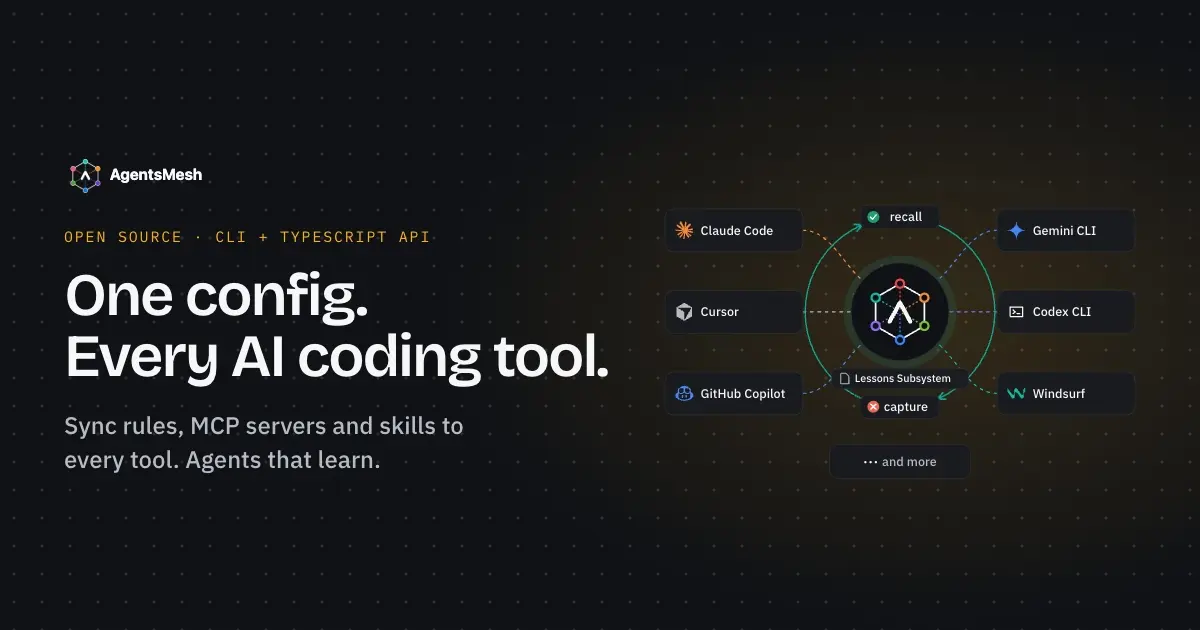
Of the 33 tools AgentsMesh generates for, 17 read a root AGENTS.md and Claude Code makes 18. Though only when no CLAUDE.md sits in your working directory or above it: keep both files and the AGENTS.md is ignored entirely.
With "auto", Claude reviews each tool call in Claude Managed Agents against your intent in user.message events and decides whether to run it, deny it, or ask you for input. Anthropic announced the mode on X.
Clone the repo, add a key, run one command, and a demo storefront comes up with a Claude shopping agent behind it. Anthropic's commerce blueprint is Apache 2.0, and nothing in it charges a card or edits a live listing.
A lockfile and a plan you approve sit behind ant apply, per the Get Claude Skills write-up. The command syncs Claude Managed Agent environments, agents, skills and memory stores with files in your repository.
"A local MCP server can read files that were never shared with the VM." A teardown of the 855 MB Claude desktop app traced the probe to a plain macOS process, running outside the Linux guest that holds agent code.
A new managed setting pushes the org's HTTP/SSE MCP servers to every Claude Code user, and entries that name a command to run get skipped. allowedMcpServers now covers only the servers users add themselves.
Carts up to 35% larger and shoppers 60% more likely to buy, that's what Anthropic reports from retailers with shopping agents on Claude. The blueprint behind them ships today as a forkable repo.
Claude Code's MCP docs promise tokens are "stored securely". On Linux, a write-up dated September 2 found them sitting in a plaintext JSON file at version 2.1.257, protected by file permissions alone.
Accounts created on or after August 31, 2026 get a 400 error if their agent loop edits anything before a thinking block on Claude Fable 5.1. Opting into drop_block strips the affected blocks instead, and they aren't billed.
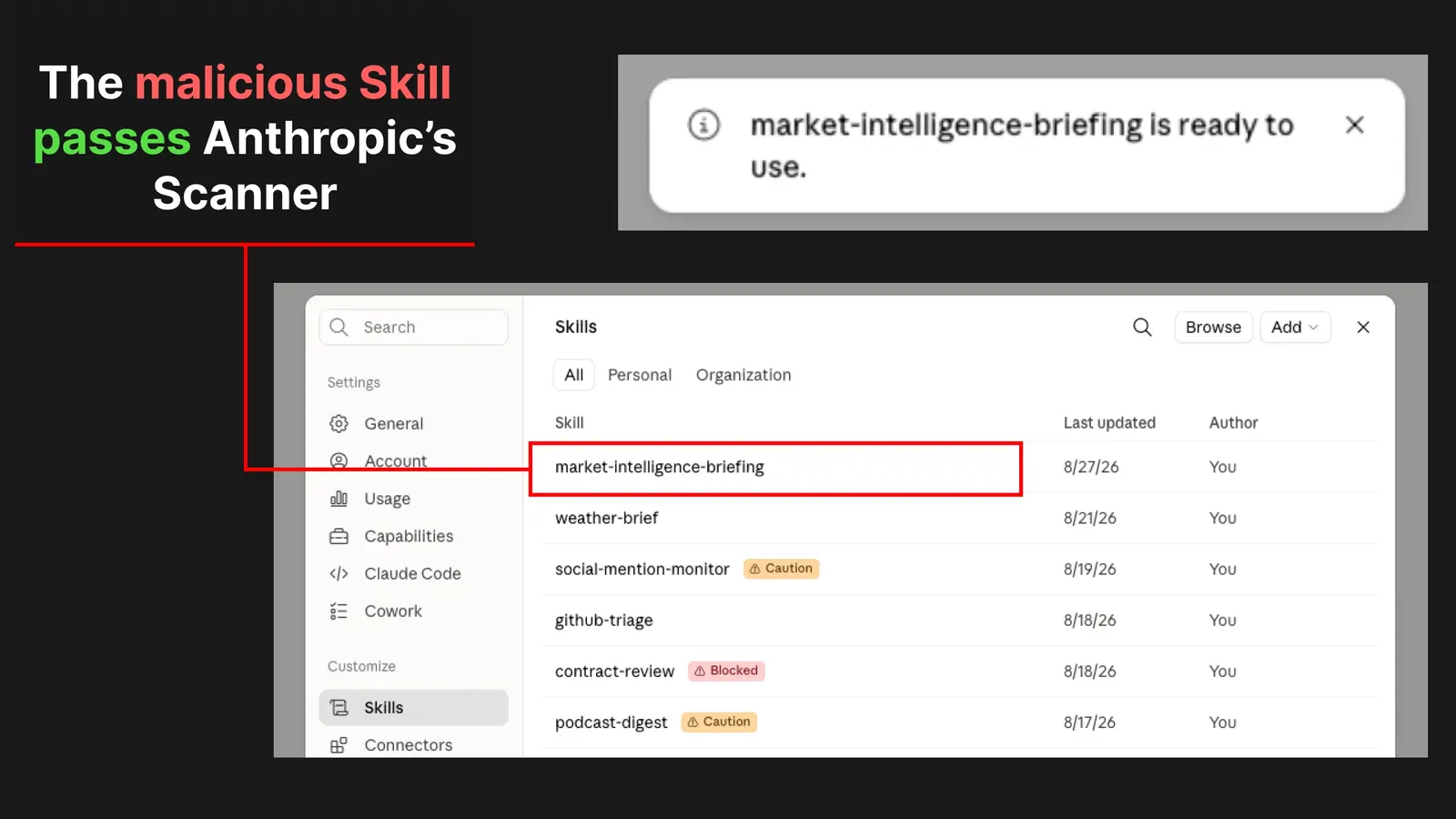
"Anthropic's Skill Scanner can't judge what it can't see." Backdoored skills pass security checks by loading payloads at runtime, which led models like Sonnet 5 to exfiltrate files via the Anthropic Files API.
Wire 600-plus tools into one field-service agent and the definitions crowd out the context window. Tool search, now live for Claude deployments hosted on Azure in Microsoft Foundry, cuts those tokens by over 85%.
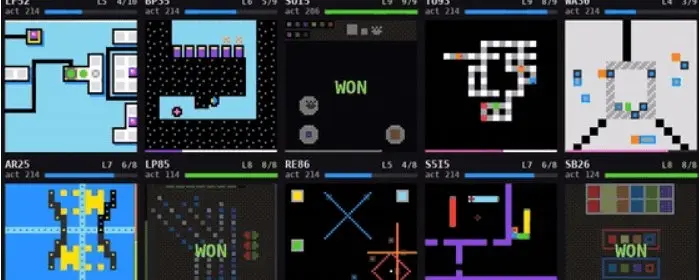
30% alone, 99.95% wrapped in an agent harness built with Strands: that's Claude Opus 5 on ARC-AGI-3, per the author's write-up, though NVIDIA reports 100% for the same model inside its own AVO harness.
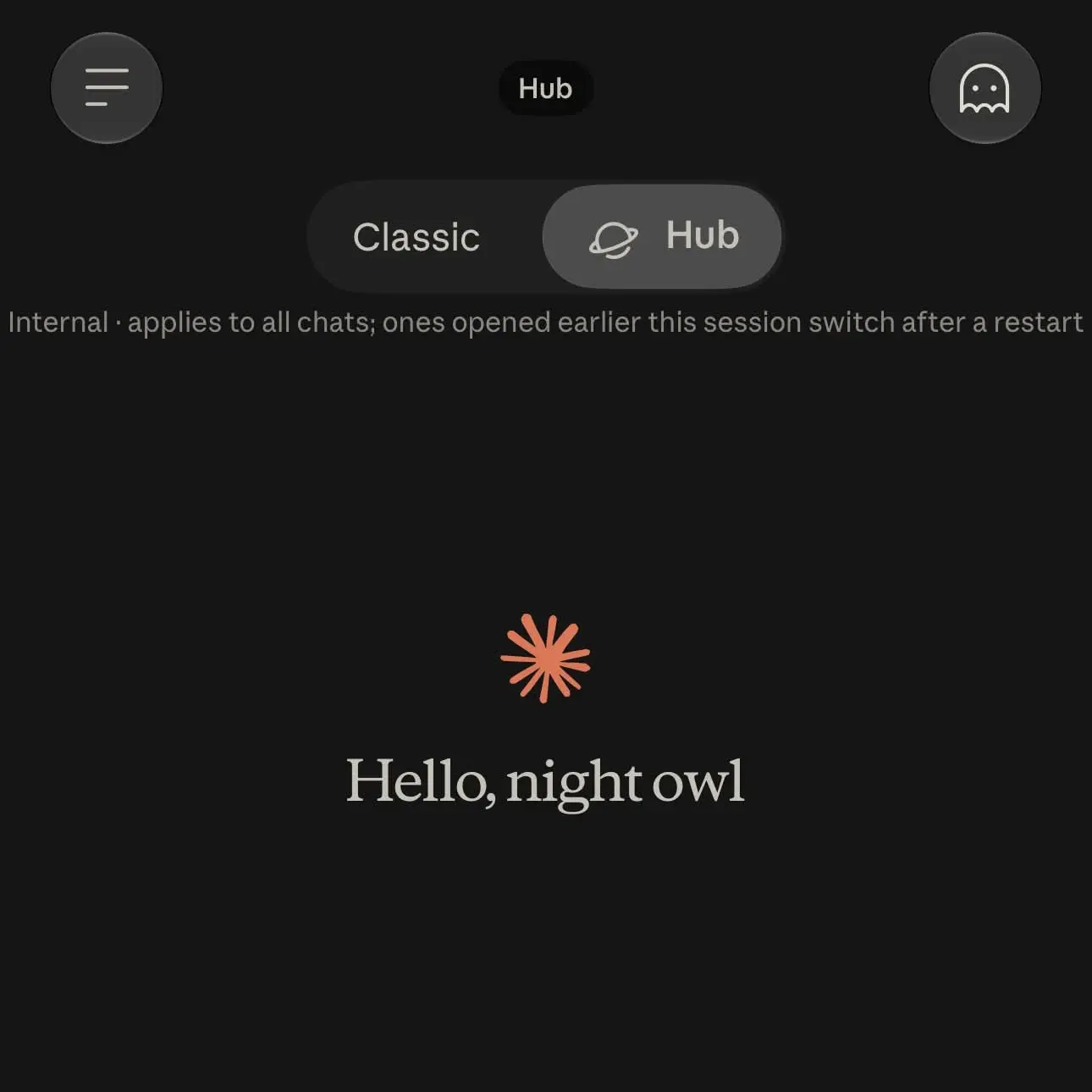
Per TestingCatalog, Claude's internal Hub build asks for feedback the moment a user switches back to a normal chat. Anthropic hasn't announced the mode, which the site reads as presumably a task orchestrator.
Handed control of parts of the laser system in QuEra's quantum computers, an AI agent wrote a controller that recovers the frequency lock 99.3% of the time unaided. It runs on Anthropic's Model Hardware Standard, in research preview.
AgentBridge replaced the hand-copying of skills between Claude Code, Codex and Antigravity with one hub folder that each agent reaches through a native symlink. MCP servers still get copied, and only when you run sync-mcp.
"There's nothing to install": Claude's browser lives inside the desktop app and opens in Cowork's side panel, kept separate from your own browser and logins. It reaches all paid plans over the next week.
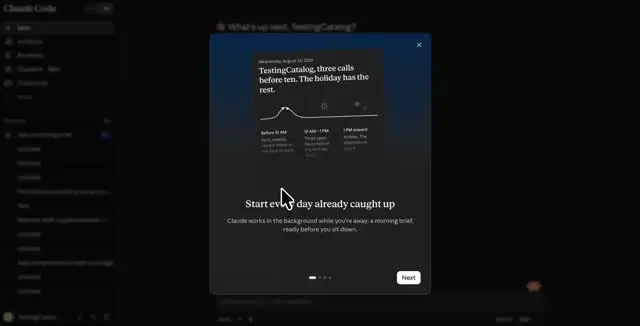
A Morning Brief has started appearing in Claude for some users, per Crypto Briefing. It runs as a scheduled task inside Cowork and walks you through picking Connectors, a mode that launched first on the Max plan.