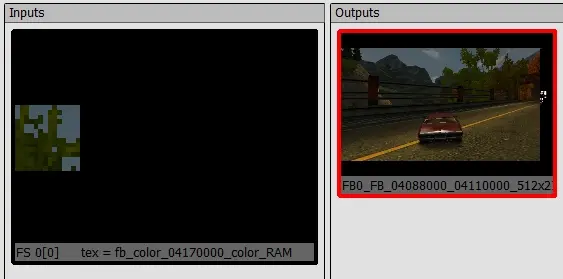
"The hardware certainly doesn't have 5 MB of ROM for this," Claude Opus 5.5 wrote about PPSSPP's PSP math tables. In about an hour it found the real circuit: 10.5 KB of coefficients, bit-exact on all 2^32 inputs.
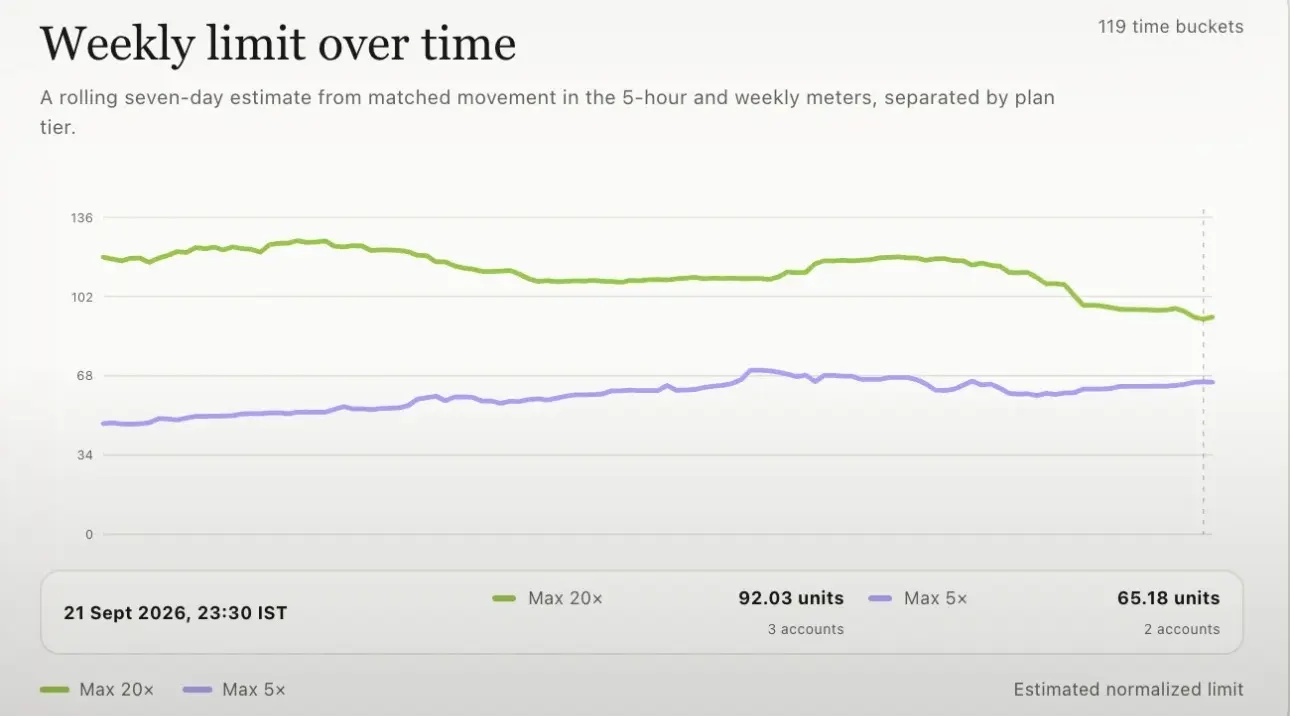
A team pools its Claude Code subscriptions and routes GitHub reviews to whichever account still has capacity. By their own normalized tally, the Max 20x edge over Max 5x has shrunk from about 2.5x to about 1.5x.
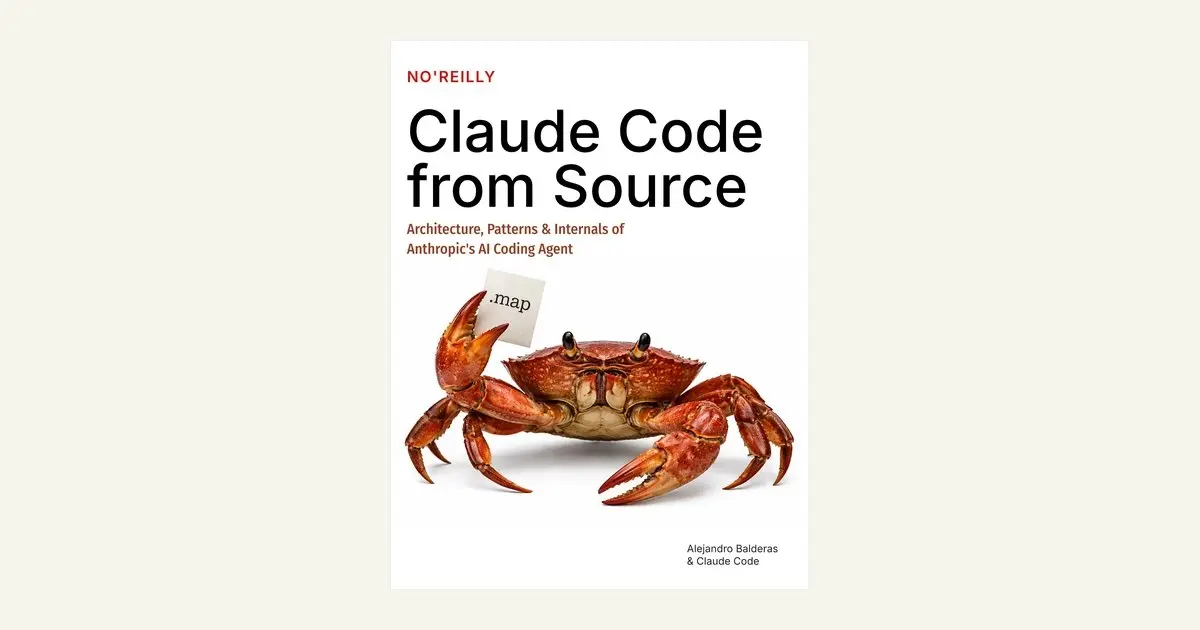
Nearly two thousand original TypeScript files came with Claude Code on npm, tucked inside the source maps, and the teardown built on them says forked sub-agents share prompt prefixes to cut input tokens by around 95%.
Only 1 of 216 Claude Code skills passed clean 50 of 87 public Claude Code subagents declare no tools list, so each inherits the caller's whole toolbox, Bash included. Permission prompts still gate it, but a reader-only worker carries shell.
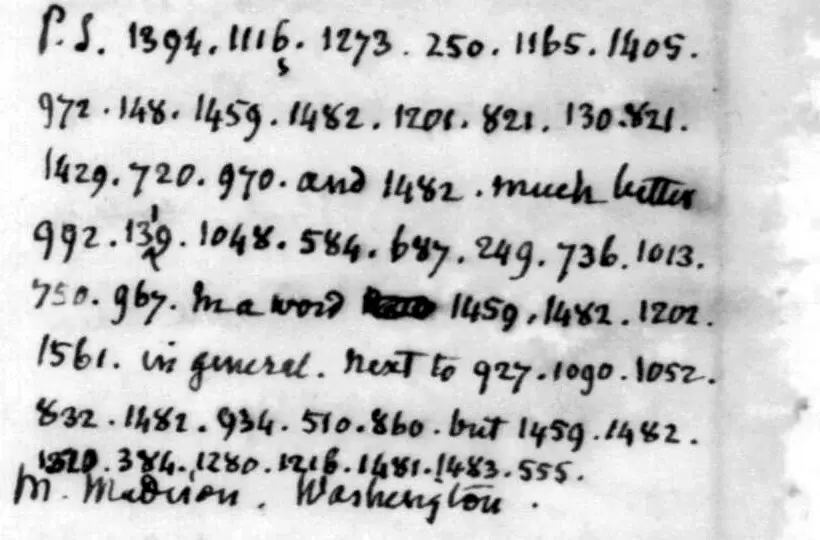
Twenty-one of the twenty-six letters appear exactly ten times across the 263 stamped on seven Chinese gold bars. A cipher project run with Claude calls that flatter than randomness permits: no cipher does that.
77% of the author's own Claude Code history was Bash commands no rule had ever matched, reported as nothing, which reads as fine and means unexamined. Toolog logs every tool call locally and hands those to an optional local model.
@vivek pulled every "Never do this" line out of what's presented as the Claude Fable 5.1 system prompt into a single file of 2,196 lines and 40,046 words, which Anthropic hasn't confirmed.
A new Go CLI compiles one canonical Markdown project into CLAUDE.md, AGENTS.md and Copilot instructions, with no language model anywhere in it. Cursor gets refused with exit code 3 rather than approximated.
Asked to name the tag wrapping its reasoning, Claude got cut off mid-token. Shifted by +3, the answer came through as dqwpo:wklqnlqj, or antml:thinking, since the real-time filter only matches literal bytes.
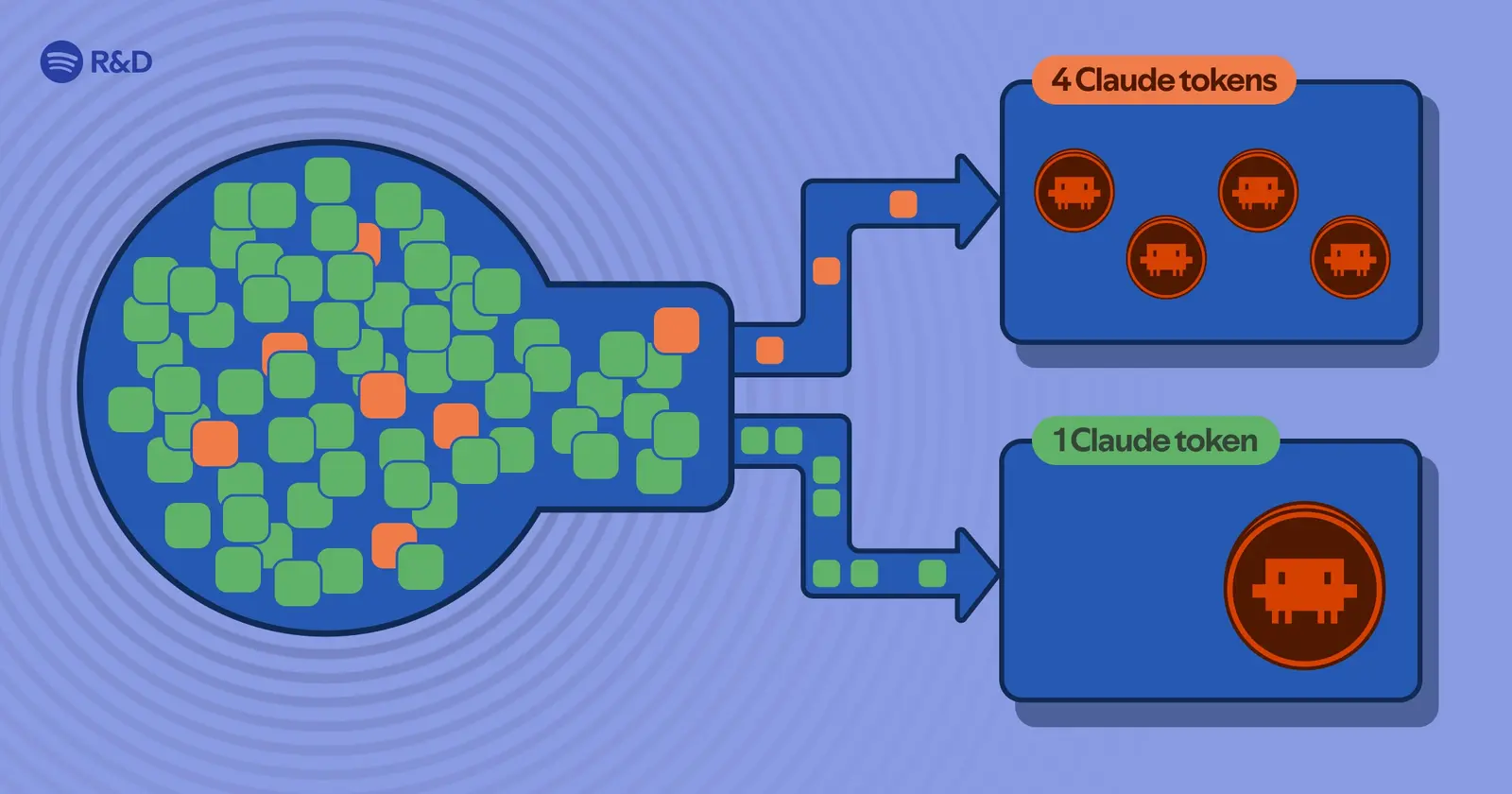
"Most of what an AI coding agent does for me isn't thinking. It's I/O." A Spotify plugin blocks Claude Code reads over 350 lines and hands the files to Gemini 2.5 Flash, cutting bulk-read tokens by around 90%.
"Development as compilation" is how Context Engineering Kit pitches its spec-driven plugin for Claude Code. Its table puts a one-shot prompt at 1–20% accuracy on 20+ changed files, its spec flow with human review at 95%.
Juggling a work and a personal Claude Code login normally means signing one of them out. ccswitch swaps just the credential and identity in place, so MCP servers, skills and session history stay shared in one ~/.claude.
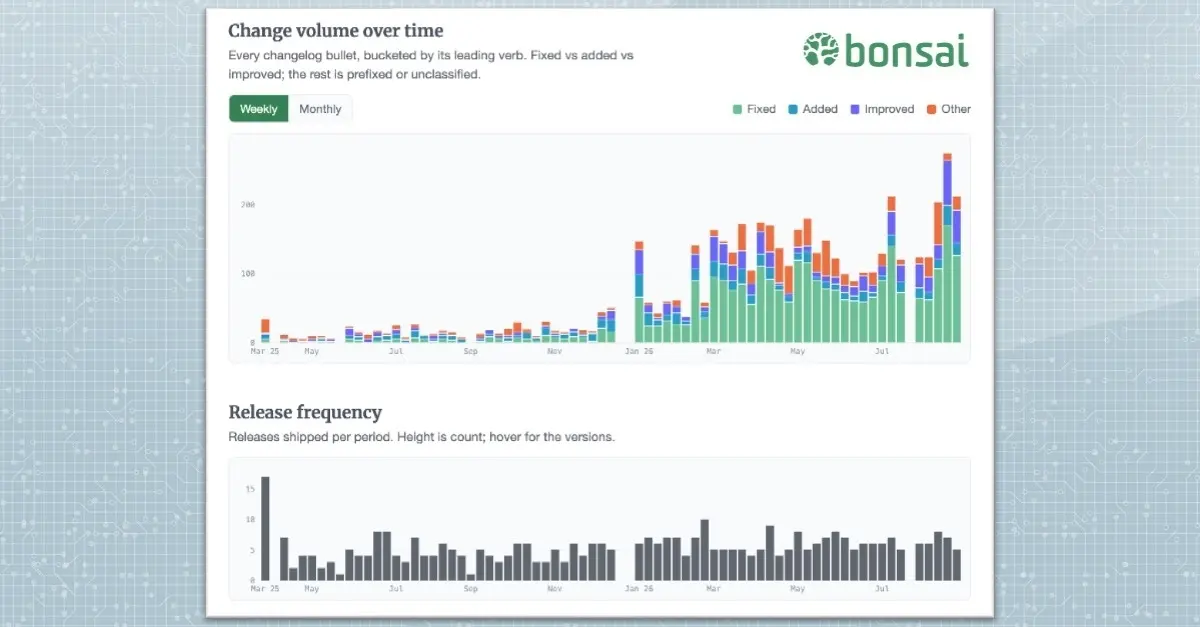
"Same amount of releases, thirteen times the content." That's Claude Code's changelog between April 2025 and August 2026, where bullets starting with "added" fell from 41% in July 2025 to between 6% and 10% by mid 2026.
claude-sniff, a loopback proxy posted to Show HN, holds every Bedrock call Claude Code makes so the JSON can be edited mid-flight. Edited bodies get re-signed SigV4; Drop and the request never reaches Bedrock.
Claude flagged the risk mid-session, the author said "go ahead", and a feature broke with nothing in the commit to show it. Gage, an open source Rust CLI, scans those transcripts and cites the lines.
Orchestrators that dispatch implementation work run about 64% of tokens in subagents, per the Show HN write-up for a Claude Code fleet generator. Ones that typed the code themselves cost three to four times as much.
Open a pull request that still passes a sampling parameter Anthropic removed, and claude-api-guard fails the CI job before it ships. Its rule set refreshes itself weekly from Anthropic's release notes, so the check doesn't go stale.
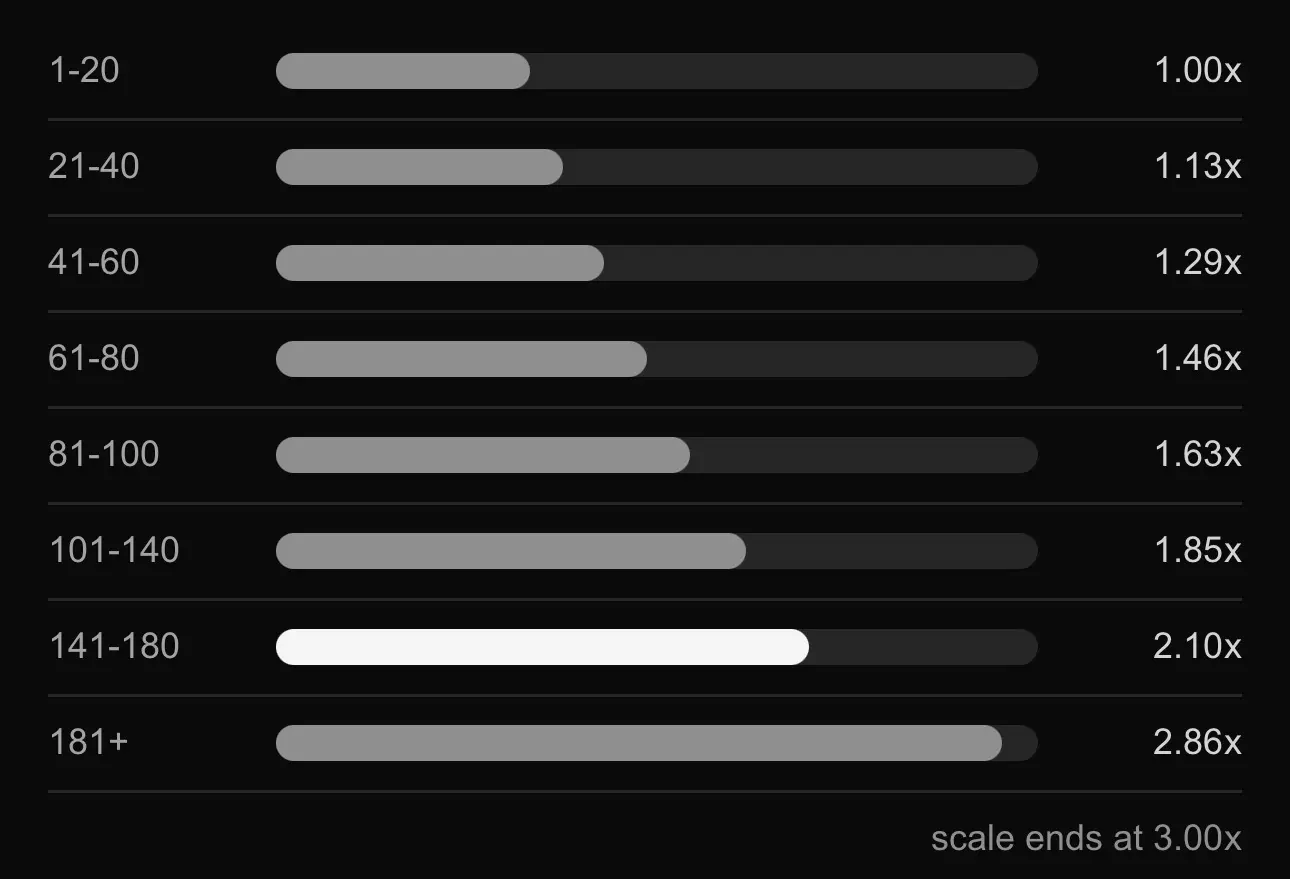
Four days after asking Claude what else was worth measuring, the author of a Show HN write-up had counted 144 sessions and found that past turn 141 a Claude Code turn costs 2.1x one from the same session's first twenty.
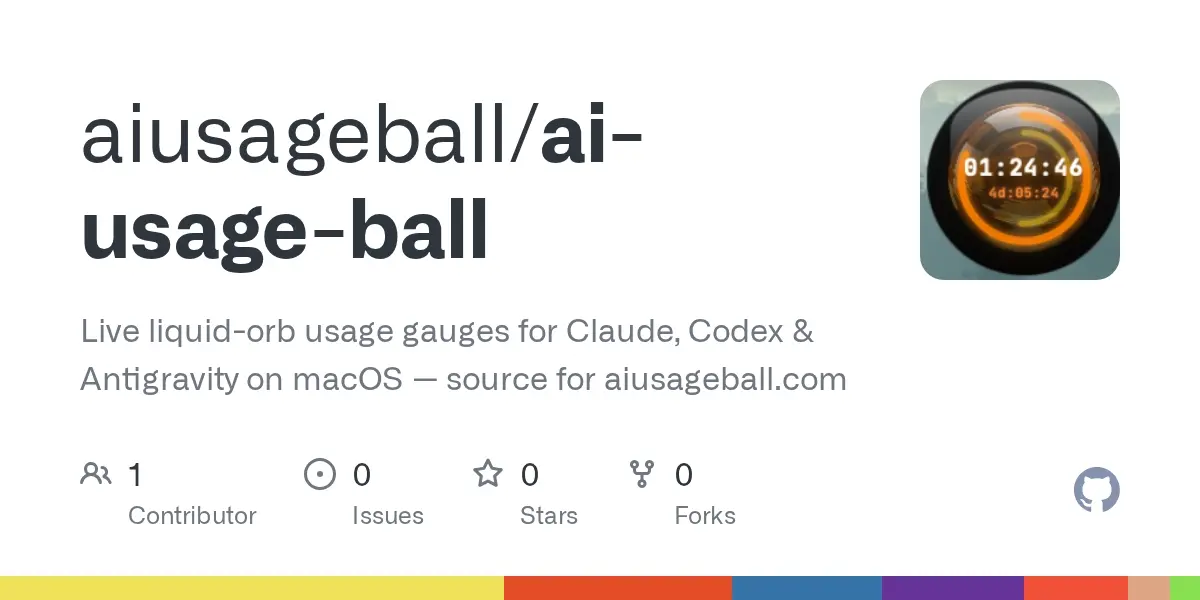
Three quota gauges in one macOS window, Claude, Codex and Antigravity, drawn as animated liquid orbs. AI Usage Ball reads them locally from credentials on your own Mac, and ships the full source so you can audit what it touches.
"Checks outrank opinions" is the deciding rule in pairmark, which races Claude Code and Codex on one task in two worktrees, then has each agent judge both patches blind, without knowing which one is its own.