
We replaced our Grafana stack with a single Claude Code skill
Frigade has retired the multi-region Grafana stack it ran for nine months, along with its 24 graphs, and replaced it with a Claude Code skill that queries the same data through a read-only Postgres replica. The switch happened last week, according to a write-up published by Frigade.
At a glance
- Each of the 24 graphs began as a pull request: someone wrote the query, picked a chart and matched the filters to neighbouring graphs so two numbers on one screen would agree.
- A read-only server went in front of the Postgres replica in May, and the team began asking questions in plain English, including ones about a single customer in a single week.
- The same querying now ships to customers as Frigade Assistant, which runs on a read-only layer and returns links to the underlying questions and users behind each answer.
The trade reads as an unusual one for an observability stack: a team giving up a reliable artifact for a flexible one it openly calls less trustworthy. What makes it defensible is the usage pattern behind it, since a dashboard nobody opens has no reliability to lose. The pieces Frigade kept, the scheduled Slack summary and the versioned queries, suggest the line it drew is between questions worth asking once and numbers that must arrive unprompted.
The 24 graphs answered the questions the team had in October
The dashboard's value, in Frigade's account, was reliability rather than flexibility: a pre-built graph says the same thing every time it is opened, and when it is wrong it is wrong the same way for everyone looking at it. Whoever built it knew which rows everybody leaves out of the count.
The sections created in October held. Most of what the team wondered about after that landed in Miscellaneous, one question and one pull request at a time, and the bottom of the dashboard became the record of everything asked since. What Frigade says it wanted was a way to ask those questions without leaving behind something to maintain a year later.
Frigade calls the replacement less reliable than the stack it removed
Since May, when the read-only server went in front of the Postgres replica, the team has been asking it questions in plain English. Frigade describes the result as more flexible in every direction, including answers about a single customer in a single week that required nothing to be built first.
Reliability is what it gives up. An answer sometimes reads as clearly wrong, and when the team says so, the assistant concedes, in wording Frigade reproduces verbatim and says it sees often enough to matter. The problem is not solved, and anything heading into a decision is still checked against the database directly.
You're absolutely right, I made a mistake.
A weekday morning job posts the summary to Slack
Frigade says the dashboard was not being opened at all, and that the question someone actually has rarely maps onto one graph: a specific customer in a specific week, or a trend across accounts above a certain size. Filters and date pickers got close, and the tedium was enough to stop the question being asked.
Numbers that should arrive without being asked for stayed automated. A job runs each weekday morning and posts a summary to Slack, and its queries live in the repo rather than being written fresh each time, so the same questions are asked daily and the answers come back in the same form.
The unsolved part of the switch
The post gives no error rate for the assistant, and it describes the reliability problem as unsolved rather than fixed. No timeline for closing that gap is offered, and anything feeding a decision continues to be verified against the database directly.
The same querying now runs inside the product: customers get a dashboard with stats, an Insights page grouping questions into themes, and an assistant that answers questions such as which replies drew a thumbs down, with protections keeping it off specific user data.
Up next
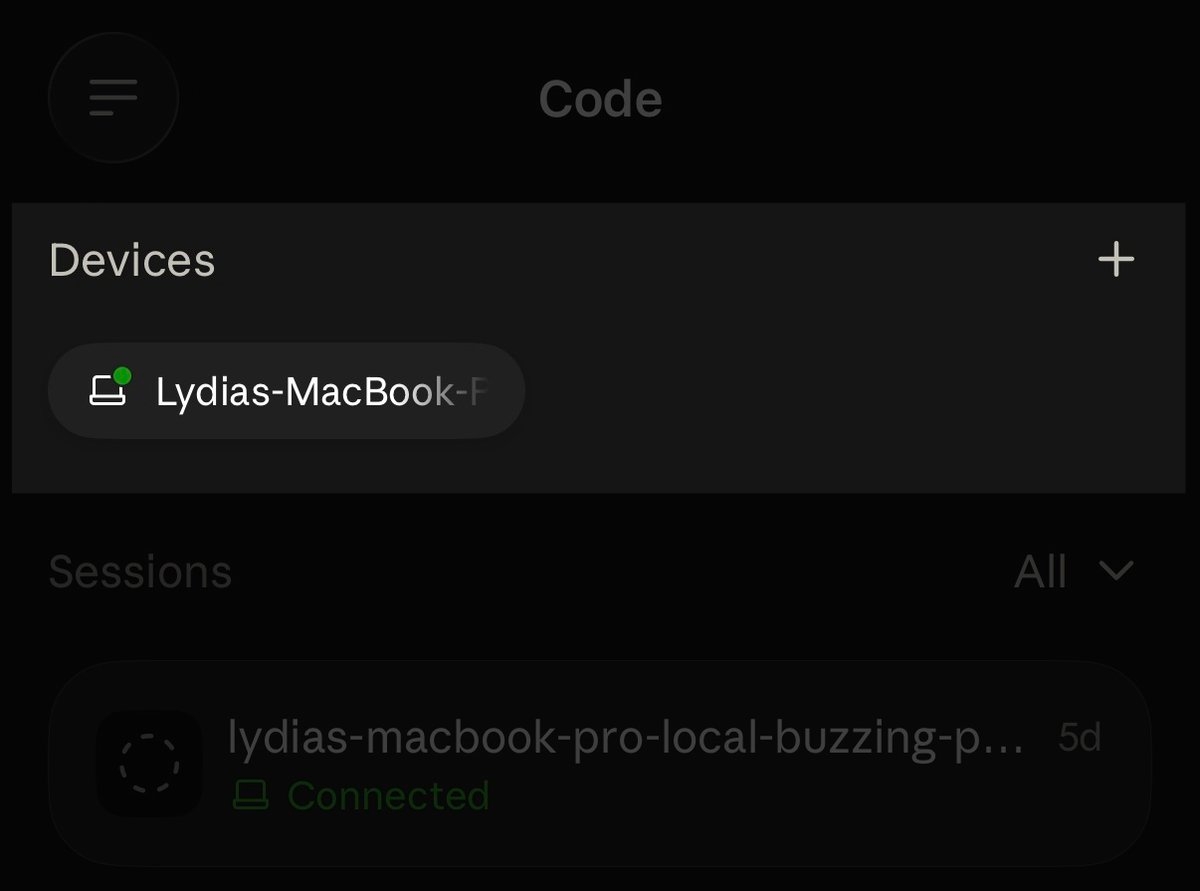
Claude Code Remote Control starts sessions from a phone
You tap a device card at the top of the Code tab, pick a directory, and a Claude Code session starts on the laptop you left at home. Resume that session on the laptop and the phone stays on it live.
Related stories
- Claude Design can draw with your real components
- 57% of public Claude Code subagents inherit Bash
- Toolog keeps a forensic log of Claude Code tool calls
- Stemma compiles agent rules into CLAUDE.md and AGENTS.md
- Spotify's shunt blocks Claude Code reads over 350 lines
- Context Engineering Kit adds judge agents to Claude Code
Comments
No comments yet. Be the first.
Join the conversation
Sign in to leave a comment. It appears after moderation.