
Anthropic adds real-time cybersecurity filtering to Opus and Sonnet
Anthropic is deploying a new protection layer across Claude Opus and Sonnet. It automatically detects and blocks prompts that violate the Usage Policy regarding high-risk cybersecurity activities.
The filters target two categories of activity, including direct violations like ransomware development and mass data scraping. Some tasks fall under dual-use, where legitimate security research overlaps with potentially harmful actions.
For these cases, Anthropic has launched a free Cyber Verification Program. Users submit requests via the Cyber Use Case Form, with a two-business-day turnaround for approval. The program covers Claude.ai, Claude Code, the API, and Microsoft Foundry, but is unavailable on Amazon Bedrock, Google Vertex AI, or accounts with Zero Data Retention.
Up next
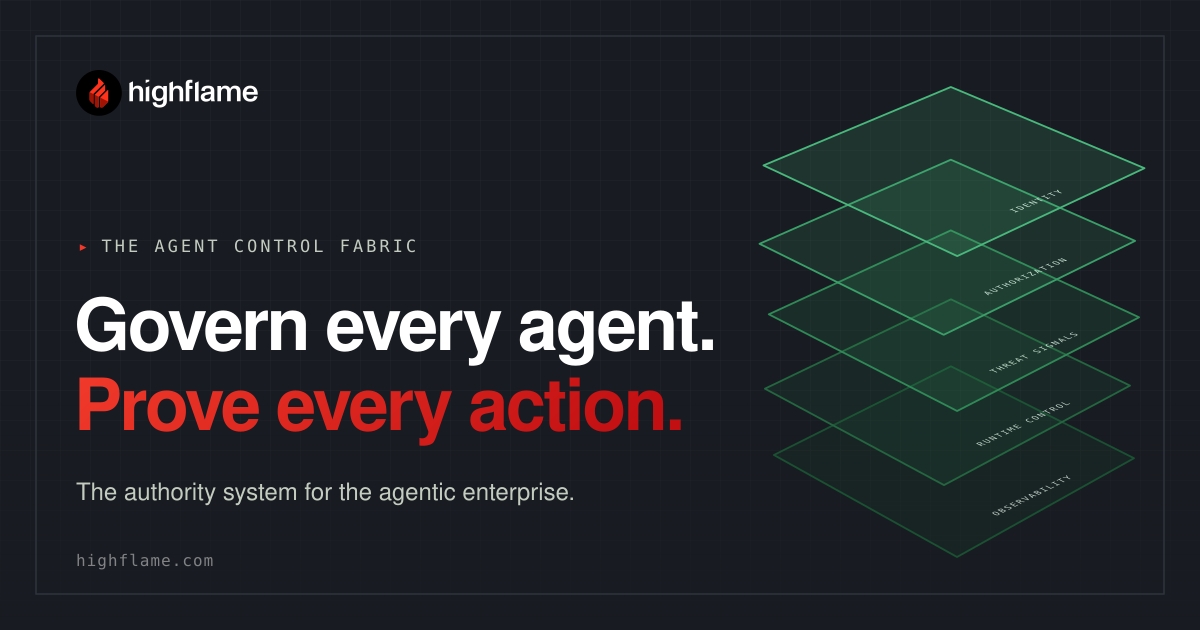
Analysis of the agent control model in Claude Code
Anthropic’s agent control model relies on four pillars: distinct agent identities, restricted delegation of authority, per-action tool authorization, and full traceability to the original principal. This architecture ensures that sub-agents do not inherit full permissions, making the system applicable to agent stacks beyond just Claude Code.
Related stories
- Claude grades its own chats for misuse, catching 78%
- Oxide is pointing Claude Mythos 5 at its own firmware
- Claude Code’s new security plugin scans your code before you commit
- Apiiro finds Claude Code secrets in 1,122 GitHub files
- Email leak stopgap in Claude Code checks only shell calls
- Claude Code agent sat on a Pentagon network for two months
Comments
No comments yet. Be the first.
Join the conversation
Sign in to leave a comment. It appears after moderation.